EnviroPress Reporter
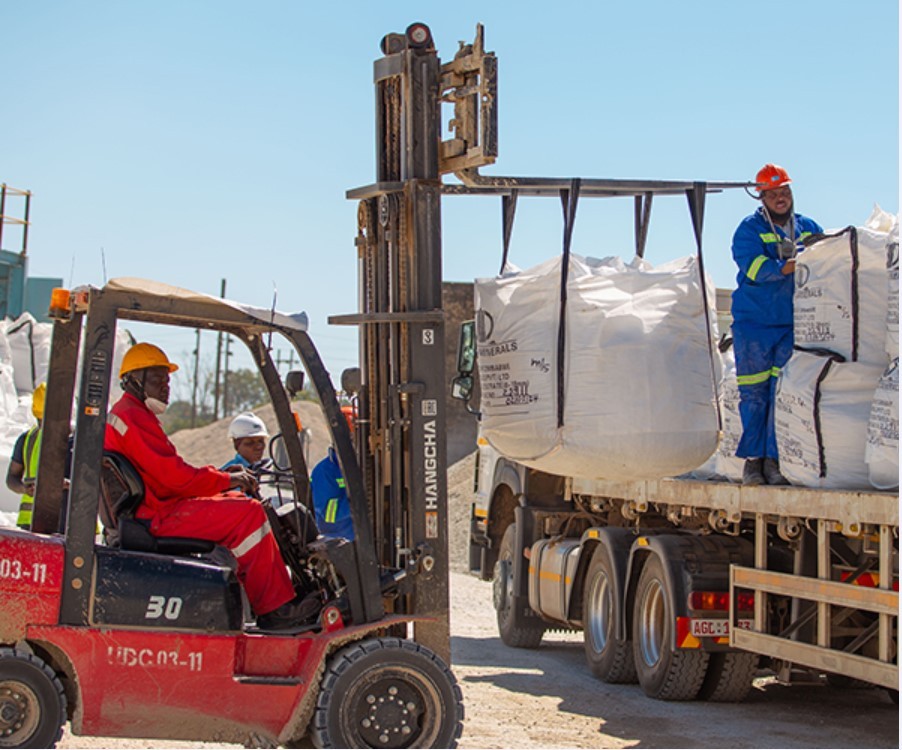
BIKITA — The promise of Zimbabwe’s lithium boom is increasingly visible at Bikita Minerals: new processing plants, upgraded power infrastructure and a growing push to turn the country’s mineral wealth into higher-value products before export.
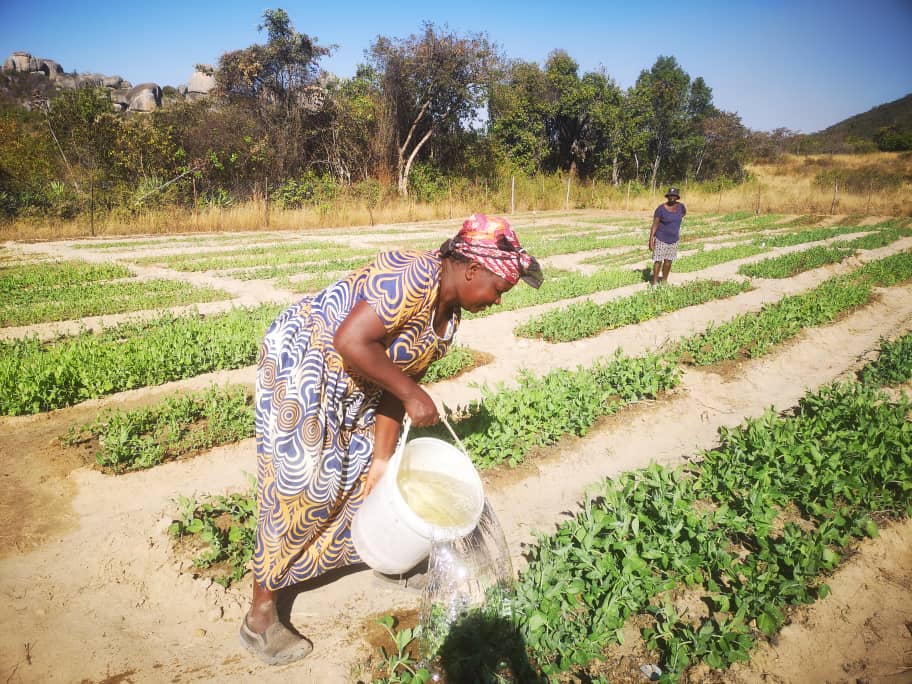
But for communities living around the mine, the test of a “just transition” is not only what happens inside the processing plant. It is whether the roads, water sources, farmland, jobs and livelihoods outside the mine fence are protected as the lithium economy expands.
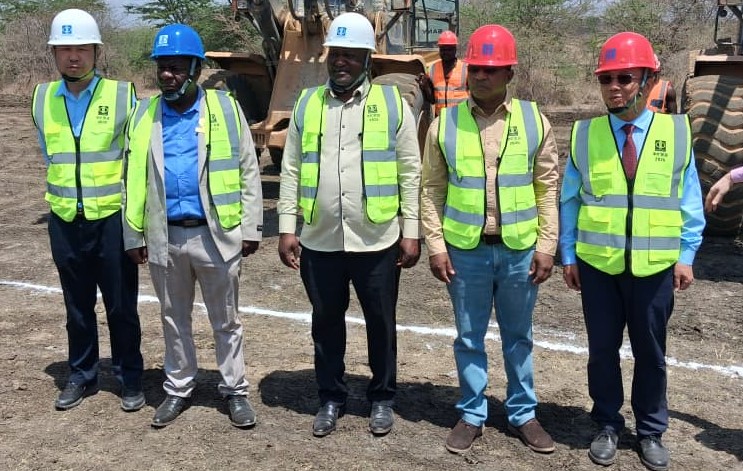
Bikita Minerals, owned by China’s Sinomine Resource Group, has invested hundreds of millions of dollars in expanding production.
The company says cumulative investment has reached about US$380 million, while government and company officials have highlighted new processing facilities and plans for further lithium beneficiation.
The expansion is part of a wider national strategy. Zimbabwe plans to move away from exporting lithium concentrates and towards domestic processing, with a ban on concentrate exports scheduled for January 2027.
Bikita Minerals is among the producers developing lithium sulphate processing capacity.
That industrial push could create more jobs and retain more value in Zimbabwe. But the experience of some villagers suggests that the transition is already producing difficult trade-offs.
A 2025 investigation by the Centre for Natural Resource Governance documented concerns over land, infrastructure and community access around Bikita.
Separately, Rest of World reported that villagers said mine expansion had taken land previously used for homes, farming and livestock, with some residents seeking assistance from the Zimbabwe Human Rights Commission over compensation.
Bikita Minerals denied harming the environment and said it was engaging communities and authorities to resolve concerns.
Water has become one of the most sensitive issues.
The mine says it has drilled dozens of boreholes and invested in water access. In 2025, the company reported 38 boreholes across Masvingo, while its community programmes include schools, roads, health facilities and electricity projects.
Yet local reporting has highlighted a different reality. A 2026 investigation by NewsHub Zimbabwe alleged that a communal well used by Murape villagers for generations was buried beneath a slime dam, leaving residents struggling for reliable water. Those allegations underline why water security must be independently monitored as mining expands.
There is also a jobs question. During the lithium price downturn, Bikita Minerals warned that weak prices, unreliable infrastructure and policy uncertainty were putting pressure on producers and contributing to workforce reductions.
That experience offers a warning: mining employment can rise quickly and disappear just as quickly when commodity cycles turn.
Bikita has made visible investments in a US$1 million clinic, schools, nutrition programmes, roads, electricity and community infrastructure. But a just transition demands more than corporate social investment.
It requires transparent compensation where land is lost, reliable access to water, meaningful community participation, enforceable environmental safeguards, skills that remain valuable beyond the life of the mine and local businesses capable of surviving after extraction slows.
Lithium may be powering the world’s transition away from fossil fuels. In Bikita, however, the transition will only be just if the people living beside the mine are not left carrying its costs after the ore is gone.