Trymore Tagwirei
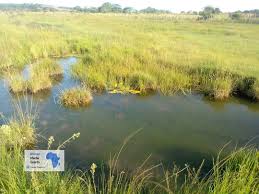
Zimbabwe Lawyers for Human Rights (ZLHR) has called on authorities, communities and the private sector to urgently strengthen the protection, restoration and sustainable management of wetlands, warning that continued degradation threatens water security, biodiversity and constitutionally guaranteed environmental rights.
In a statement issued on Sunday to mark World Wetlands Day, commemorated annually on February 2, the organisation said wetlands are critical ecosystems whose preservation is essential for both present and future generations.
“On World Wetlands Day, Zimbabwe Lawyers for Human Rights implores citizens, local authorities, central government and all stakeholders to promote the conservation, restoration, sustainable management and wise use of wetlands for the benefit of present and future generations,” the organisation said.
World Wetlands Day marks the signing of the Convention on Wetlands of International Importance (Ramsar Convention) in Ramsar, Iran, in 1971. This year’s commemoration is being held under the theme “Wetlands and Traditional Knowledge: Celebrating Cultural Heritage.”
ZLHR said the theme highlights the close relationship between wetlands, culture and human wellbeing, while underscoring their ecological importance.
“The theme recognises wetlands as cherished ecosystems that are critical to human culture and wellbeing, and underscores the intrinsic ecological value and benefits they bring to present and future generations,” the organisation said.
Indigenous knowledge and conservation
ZLHR noted that in Zimbabwe, wetlands were historically protected through indigenous knowledge systems and customary practices passed down over generations.
According to the organisation, many communities regarded wetlands as sacred spaces governed by norms that restricted cultivation, construction and resource extraction.
“Practices such as seasonal use, controlled grazing, protection of wetland vegetation and prohibitions against polluting water sources played a critical role in maintaining ecological balance and resilience,” ZLHR said.
The organisation added that these traditional systems remain a valuable and complementary tool in contemporary conservation efforts.
Wetlands under growing threat
At the global level, ZLHR described wetlands as among the most productive ecosystems, playing a crucial role in climate regulation, water purification and disaster risk reduction.
“Wetlands store significant amounts of carbon that contribute to climate change mitigation, purify water and safeguard freshwater supplies, and buffer communities against droughts and floods,” the organisation said.
However, ZLHR expressed concern that wetlands continue to be lost at an alarming rate, both globally and in Zimbabwe, due to land-use changes, infrastructure development, agriculture, pollution and climate change.
Despite Zimbabwe’s constitutional protections for environmental rights, the organisation said gaps in enforcement and regulatory oversight remain a major challenge.
“Notwithstanding strong environmental and procedural rights under the Constitution, gaps in enforcement and regulatory oversight continue to undermine the effective protection of wetlands in Zimbabwe,” the statement said.
Ramsar sites at risk
ZLHR warned that several wetlands across the country, including some of Zimbabwe’s seven designated Ramsar sites, are facing increasing pressure.
“In particular, the Monavale Wetland in Harare remains under severe threat, with potentially far-reaching consequences for its ecological integrity, water purification functions and the city’s water security,” the organisation said.
The group said it has, together with its partners, pursued strategic litigation to advance wetland protection and restoration, achieving some successes, but stressed that further action is required.
“The protection and restoration of wetlands are essential to the realisation of the right to water under section 77 of the Constitution and the right to an environment that is not harmful to health under section 73,” ZLHR said.
Call for action
ZLHR called on government, local authorities, the private sector and citizens to halt illegal developments on wetlands, suspend approvals for housing projects in protected areas, domesticate international environmental conventions into municipal by-laws, and strengthen climate change adaptation measures.