Trymore Tagwirei
Zimbabwe’s improved maize harvest in 2025 significantly reduced the country’s import requirements, with volumes falling by 37 percent in the 10 months to November. The decline eased pressure on scarce foreign currency reserves amid rising global grain prices.
According to the Zimbabwe National Statistics Agency (ZimStat), maize imports dropped to about 947,100 tonnes, down from 1.5 million tonnes recorded during the same period in 2024.
“The decline of approximately 563,000 tonnes reflects improved domestic maize availability following a strong recovery in agricultural production after the drought-affected 2023/24 season,” ZimStat said.
The rebound in output was driven by favourable weather conditions, particularly improved rainfall in the latter half of the season, alongside an expansion in the area planted. Government support programmes and agricultural initiatives also played a critical role.
“Farmer confidence improved, despite persistent challenges such as limited irrigation infrastructure and high input costs,” ZimStat noted.
Imports were concentrated in the first three months of 2025, ahead of the harvest, and again in October and November. During the remaining six months, imports averaged about 44 000 tonnes per month, indicating a sustained slowdown as locally produced maize entered the market.
In value terms, Zimbabwe spent US$5.4 million on maize imports over the period, representing a modest US$10.4 million decline from 2024. The smaller reduction in the import bill was largely due to higher global maize prices.
In February 2025, white maize spot prices rose to US$355.88 per tonne, driven by tight physical stocks and increased trading activity towards the end of contract months.
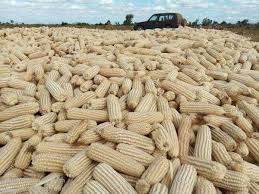
Meanwhile, ZimStat reported a sharp increase in domestic production. Maize output rose to 1.82 million tonnes, nearly three times the 635 000 tonnes harvested in the previous season.
Communal farmers contributed 794 105 tonnes, accounting for 44 percent of national output, with Mashonaland West emerging as the country’s largest maize-producing province.