Trymore Tagwirei
Zimbabwe’s lithium rush is gathering pace as a wave of new mining projects and foreign investments transforms the country into one of Africa’s most dynamic producers of the mineral critical for batteries and electric vehicles.
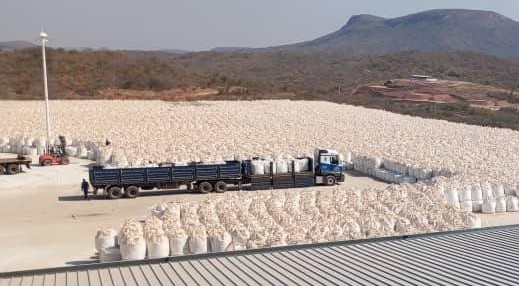
According to Energy Capital & Power, Zimbabwe exported about 586 000 metric tons of spodumene concentrate in the first half of 2025, up from 451 000 tons during the same period in 2024. The sharp increase highlights the country’s growing importance in the global battery and electric vehicle supply chain.
The boom has been driven largely by major investments from Chinese companies.
Zhejiang Huayou Cobalt acquired the Arcadia Mine for USD 422 million, expanding its processing capacity, while Sinomine Resources, owner of Bikita Minerals, is constructing a USD 500 million lithium sulphate plant aimed at boosting local value addition.
At the state level, Kuvimba Mining House signed a USD 310 million Build-Operate-Transfer (BOT) agreement in July 2024 for a concentrator plant at its Sandawana project.
The contract will run for six years before being handed over to the government. In January 2025, the company announced another USD 270 million joint venture with two Chinese investors.
“We reviewed the Sandawana project and found it remains a very strong venture because of the quality and size of the resource,” said Kuvimba CEO Trevor Barnard, adding that the project remains viable despite fluctuations in global lithium prices.
The government is also tightening measures to promote domestic processing.
Mines and Mining Development Minister Winston Chitando announced that Zimbabwe will ban all exports of raw lithium concentrates by January 2027 to encourage beneficiation.
“Because of the capacity now being built in the country, the export of all lithium concentrates will be banned from January 2027,” Chitando said.
Analysts believe the policy could help Zimbabwe shift from being a raw mineral exporter to a regional hub for lithium refining and battery material production.
However, industry experts warn that persistent challenges — including unreliable electricity, inconsistent policy implementation, and foreign currency shortages — could slow progress.
“The lithium mines continue to operate in an environment with risks such as fragile power supply, capital constraints, and foreign currency shortfalls,” one analyst said.
Observers have also raised concerns over weak infrastructure, opaque licensing processes, and limited community engagement in mining regions.
Despite these hurdles, optimism remains high. With one of Africa’s largest lithium reserves and growing investor confidence, Zimbabwe is positioning itself as a key player in the global transition to clean energy.
Experts, however, caution that the long-term benefits of the boom will depend on transparent governance, strong environmental safeguards, and fair community participation.