Trymore Tagwirei
Zimbabwe’s national water storage has risen sharply to an average 84 percent, signalling improved water security following sustained inflows from the ongoing rainy season, the Zimbabwe National Water Authority (ZINWA) has reported.
Figures compiled as of January 12, 2026 show that overall dam levels increased by 1.3 percent from the previous week and by 11.39 percent since late November 2025.
A total of 65 dams are now at full capacity, while 25 dams remain below the 50 percent mark, although ZINWA said the situation continues to improve.
The latest data indicates strong recovery across most catchment areas. The Runde Catchment is leading at 95 percent, holding approximately 3.85 billion cubic metres of water, followed by the Gwayi Catchment at 89.8 percent. The Save Catchment has risen to 76.6 percent, reflecting an increase of nearly 18 percent since late November, while Mzingwane stands at 76.7 percent despite marginal week-on-week declines.
The Manyame Catchment, which supplies parts of Harare and surrounding areas, is now 73 percent full, while Mazowe Catchment remains relatively lower at 53.4 percent, though it continues to show gradual improvement.
Several major reservoirs are now at or near full capacity. Tugwi-Mukosi, Manyuchi, Silalabuhwa and Zhovhe are all at 100 percent, while Lake Mutirikwi is at 94 percent, Arcadia at 96.7 percent and Bubi-Lupane at 95.5 percent.
Urban supply dams recorded mixed levels, with Lake Chivero, Harare’s main water source, standing at 66.1 percent and Manyame Dam at 79.8 percent.
However, some dams remain critically low. Mazowe Dam is at 9.4 percent, Inyankuni at 10.7 percent and Mwenje at 12.3 percent, highlighting persistent water challenges in certain areas despite the overall national improvement.
ZINWA said the rising water levels bode well for irrigation, urban supply and livestock production. Nationally, total dam capacity is estimated at 76.4 billion cubic metres, with 58.7 billion cubic metres currently stored.
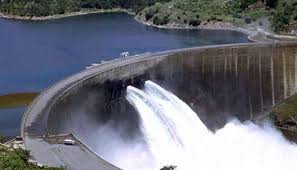
Kariba Dam, which is primarily used for hydropower generation, is not included in the catchment analysis. The authority said it will continue monitoring inflows as the rainy season progresses and urged responsible water use across all sectors.