Tiyani Hahlani
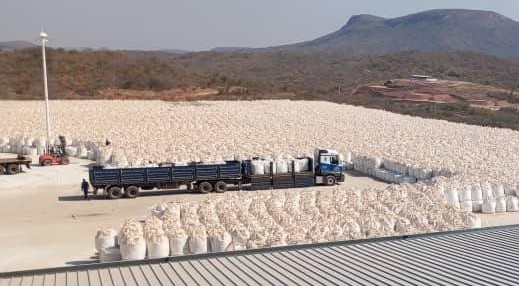
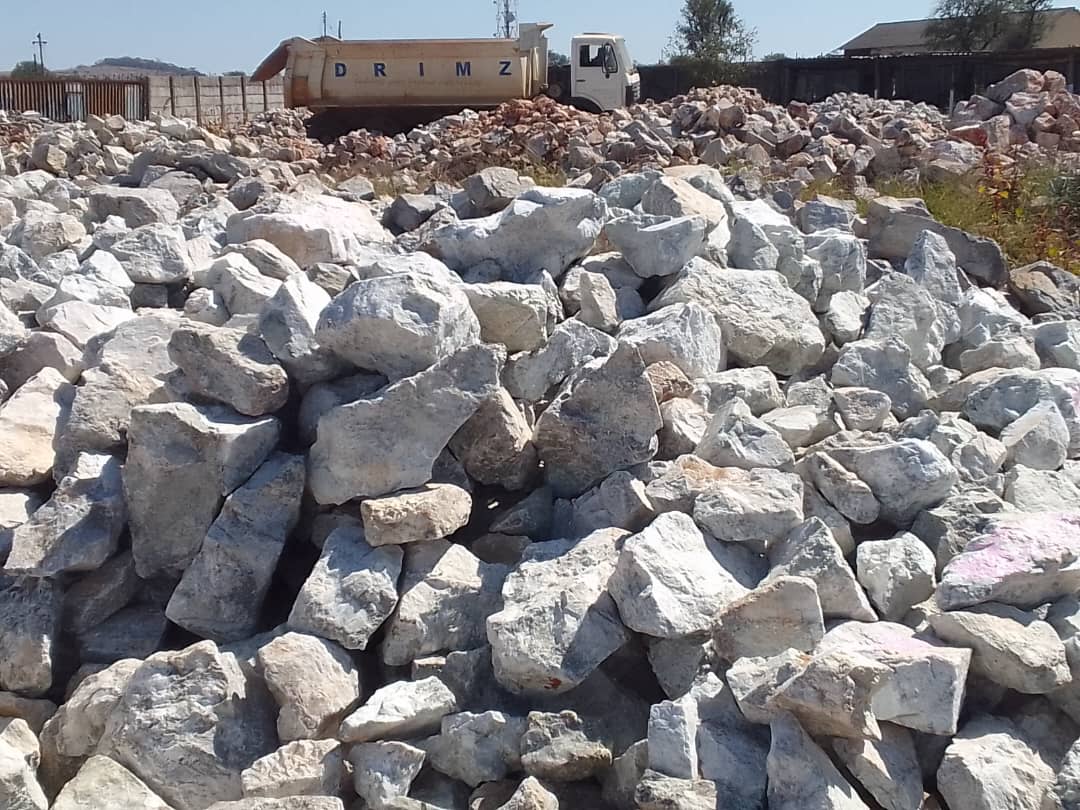
Zimbabwe’s exports of spodumene concentrate—a lithium-bearing mineral—surged by 30 percent in the first half of 2025, defying a sharp global downturn in lithium prices. This is according to the Zimbabwe Economic Review, which cited official figures from the Minerals Marketing Corporation of Zimbabwe (MMCZ).
In a report published on its official X (formerly Twitter) platform on July 22, the Review revealed that Zimbabwe exported 586,197 metric tonnes of spodumene between January and June 2025, up from 451,824 tonnes during the same period in 2024.
The rise in export volumes comes despite a dramatic collapse in global lithium prices—down nearly 90 percent from a peak of over US$80 000 per tonne in late 2022 to just US$8 450 per tonne as of June 2025.
The Economic Review attributed this unexpected growth to consistent output from major mining houses, particularly Chinese-backed firms such as Huayou Cobalt, Sinomine, Chengxin Lithium, Yahua and Tsingshan.
These companies have invested over US$1.4 billion in Zimbabwe’s lithium industry since 2021, underscoring growing confidence in the country’s long-term role in the global electric vehicle (EV) supply chain.
The report also highlighted the government’s strategic push for local beneficiation, with a policy target to ban raw lithium exports by 2027. Several value addition initiatives are already in progress, Huayou Cobalt is constructing a 50,000-tonne-per-annum lithium sulphate plant, and Sinomine Resource Group is investing US$500 million into a similar processing facility at Bikita Minerals.
Despite the global price slump, Zimbabwe appears to be consolidating its position as Africa’s leading lithium producer. The continued rise in export volumes signals resilience and sectoral strength even amid volatile market conditions.
“Zimbabwe is showing resilience, and if beneficiation plans stay on track, it could emerge as a top-tier lithium processing hub,” the Review said.