Rutendo Chirume
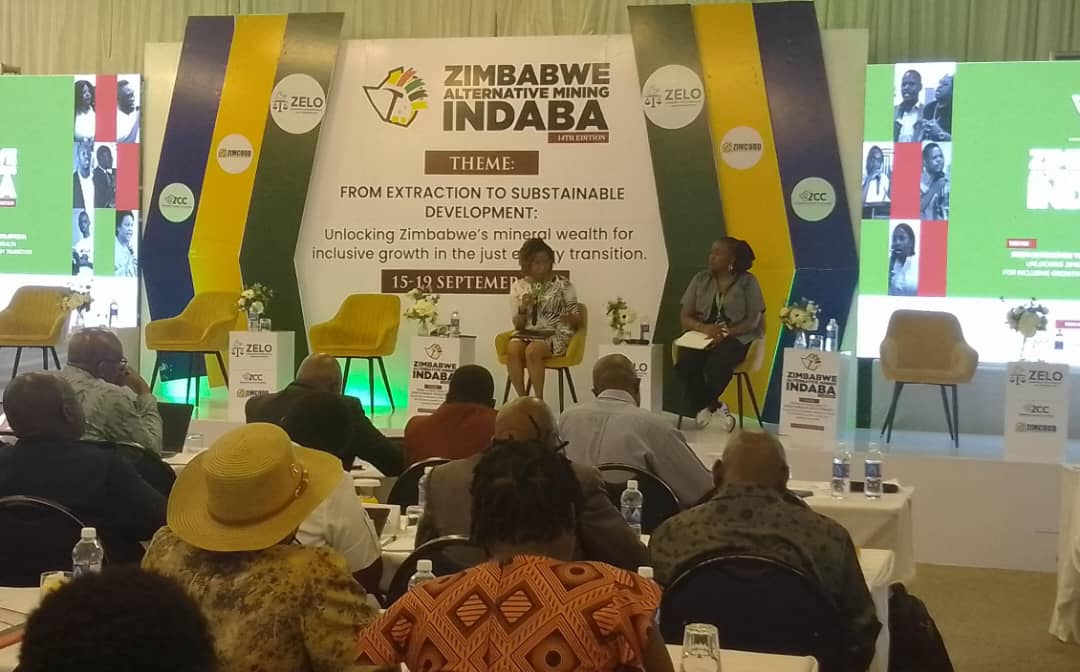
The 2025 Zimbabwe Alternative Mining Indaba (ZAMI) opened in Bulawayo this week with government pledging to turn the country’s vast mineral reserves into engines of industrialization, while academics and civil society urged greater clarity and accountability in the global energy transition.
Running from September 15–18 under the theme “From Extraction to Sustainable Development: Unlocking Zimbabwe’s Mineral Wealth for Inclusive Growth in the Just Energy Transition,” the conference brings together policymakers, scholars, and community groups.
Deputy Mines and Mineral Development Minister Polite Kambamura said Zimbabwe was positioning itself to supply critical minerals such as lithium, cobalt, rare earths, and platinum group metals, which are in growing demand for batteries, electric vehicles, and clean energy technologies.
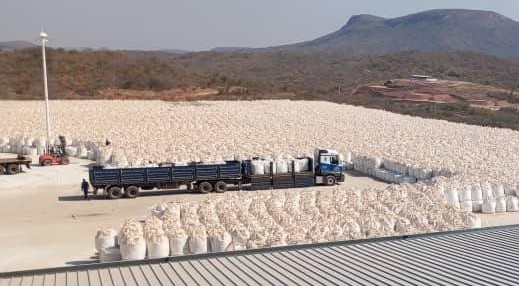
He said government was determined to move beyond raw material exports, with plans for refining, smelting, and battery component assembly hubs.
“The just energy transition presents an opportunity for industrialization, job creation, improved incomes, community protection, and sustainable development,” he said.
Measures already in place include export bans on unprocessed chrome and lithium, while new initiatives will focus on gemmology training, technology transfer, and strengthening local research and curricula on battery technology.
These reforms, the minister said, are aligned with Vision 2030 and the National Development Strategies (NDS1 and NDS2), which target upper-middle-income status for Zimbabwe.
Professor Itai Murombo of Wits University, co-founder of the Zimbabwe Environmental Law Organisation (ZELO), said global climate and energy discourse remains vague, making it difficult to craft effective national policies.
“How can we expect compliance if the ‘end game’ or the roadmap to achieve it is not clearly defined or agreed upon by all stakeholders?” he asked.
Murombo also challenged the assumption that mineral wealth automatically translates to prosperity, pointing out that centuries of mining have left communities marginalized.
“We cannot even call this wealth if centuries of mining have left Zimbabweans still crying,” said Murombo, citing illicit exports and weak community benefits.
The opening of ZAMI highlighted both opportunity and skepticism: government laid out an ambitious agenda to turn minerals into value-added products, while civil society stressed that without clear rules and stronger accountability, the promise of a just energy transition risks bypassing ordinary Zimbabweans.