Trymore Tagwirei
While Zimbabwe’s gold and chrome mines are fuelling economic activity across the country, women in mining communities continue to shoulder the invisible burden of unpaid care work.
In Mashava, Masvingo, Margaret Dube spends her days cooking, fetching water and caring for her children while others head to the mines.
“People in my area are venturing into gold and chrome mining. But as women, we can’t take part because of unpaid care work. By the time we finish household chores, the day is gone,” she said.
Her story reflects the experiences of many women in mining regions, where men dominate shafts and trading centres while women are confined to domestic duties that sustain families but remain unrecognised.
At Manyama Mine in rural Masvingo, several women engage in informal work such as cooking, washing clothes or selling food to miners — tasks that mirror their unpaid care roles at home.
“We come here early to sell sadza and vegetables to miners. But the money is little. Some days, I go home with nothing,” said one vendor.
Studies by the Southern Africa AIDS Dissemination Service and Sonke Gender Justice show that women perform far more unpaid care work than men.
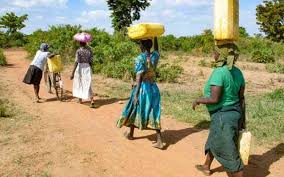
In areas affected by water pollution from mining, women walk longer distances to fetch clean water, while disease outbreaks and poor sanitation increase their caregiving responsibilities.
Speaking during a recent focus group discussion in Masvingo, Centre for Natural Resource Governance (CNRG) programmes officer Donald Nyarota said unpaid care work must be recognised as part of community empowerment efforts.
“If we are serious about empowerment, we must value the invisible labour that sustains our mining communities. Women are at the centre of unpaid care work in almost all rural areas,” he said.
According to the United Nations, women constitute about 64 percent of Zimbabwe’s rural informal sector, taking on most domestic responsibilities such as childcare, cooking, and firewood collection. This limits their participation in income-generating activities.
Gender rights advocate Primrose Gwese said even when women participate in artisanal mining, they are often relegated to low-paying roles such as panning and ore processing, while men control the more lucrative digging and trading.
“The influx of male workers into mining areas has also led to a rise in gender-based violence, with some women facing harassment or being forced into exploitative work. Cultural taboos also exclude women, including beliefs that those on their menstrual cycle bring bad luck to mines,” Gwese said.
For Tapiwa Ncube of Manyama mining area, mining has brought more burden than opportunity.
“Mining brings wealth for some, but for us, it only brings more work. We carry the burden no one sees,” she said.