By Trymore Tagwirei
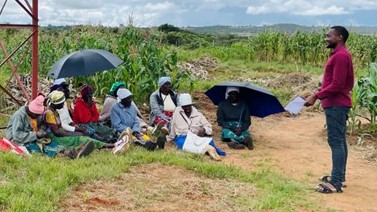
Villagers in Mukosi Area, Ward 21, in Masvingo Rural District have embarked on an ambitious gully reclamation project aimed at protecting critical infrastructure and preserving the environment.
The initiative, which is being supervised by the Environmental Management Agency (EMA) with support from the Global Environment Facility (GEF) has taken proactive steps to reclaim degraded land using locally available materials.
This comes as communities grapple with expanding gullies that threaten roads, arable land and homesteads.
Gullies are deep channels formed by running water, and they have become a common and destructive feature in parts of the country, with some of them encroaching onto major roads and key community infrastructure.
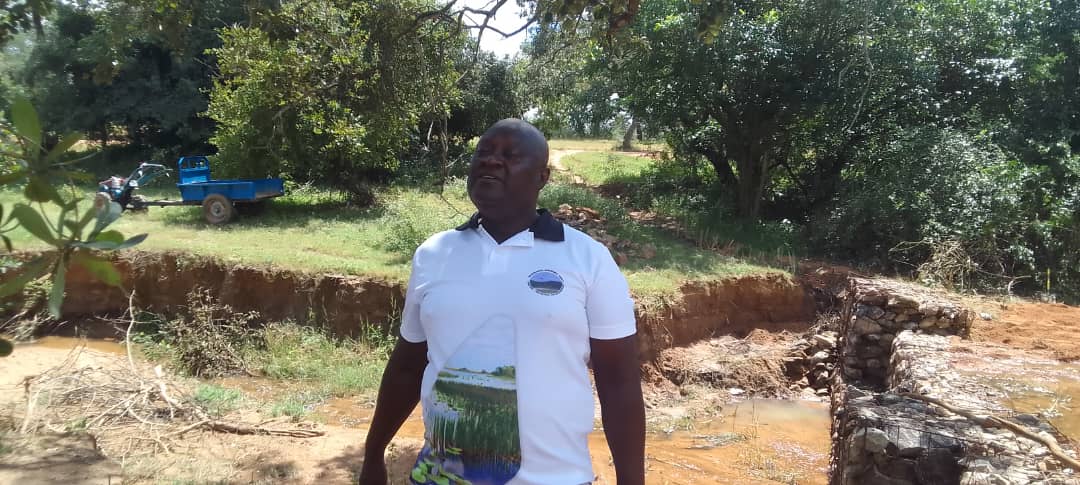
EMA Masvingo Provincial Manager Milton Muusha (pictured) said the programme was part of broader efforts to safeguard natural resources, particularly in sensitive areas such as the Tugwi-Mukosi Dam catchment.
“We are working with relevant government departments and other agencies in gully reclamation to combat desertification and protect our large inland dam from siltation,” he said.
The restoration programme is being implemented in collaboration with other government agencies including Agritex, Department of Veterinary Services and the Forestry Commission of Zimbabwe.
EMA Planning and Monitoring officer Wilfred Muchono said the project fell under the Environmental Action Plan and began with a detailed assessment of the gullies.
“This area has very loose soils, which are easily washed away. If left unchecked, gullies affect key infrastructure like roads and arable lands. We therefore made contour lines at the fields, planted vetiver grass, built a gabion and grew some plants that will hold the silt,” said Muchono.
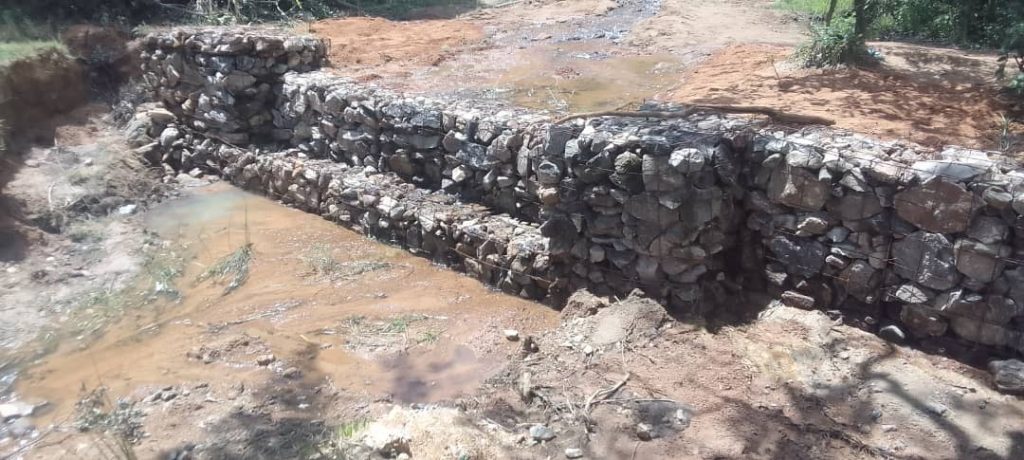
He explained that the choice of reclamation methods depended on locally available materials, with stone-based techniques being the most common.
“We used the stone gabion method, where we put stones to block the gullies and stop soil from moving. The blocked soil piles up until the gully is completely closed,” he said.
In areas where stones are scarce, alternative methods such as brushwood barriers are used. We also use the stone silt trap method in areas where gullies are developing. We lay the stones so that they break or reduce water velocity, thus trapping the soil,” he said.