Tsitsi Bvumburai
Farmers in Machokodo Village, Ward 2 of Chivi North, are recording improved maize production under the Village Business Unit (VBU) model despite persistent drought conditions affecting much of southern Zimbabwe.
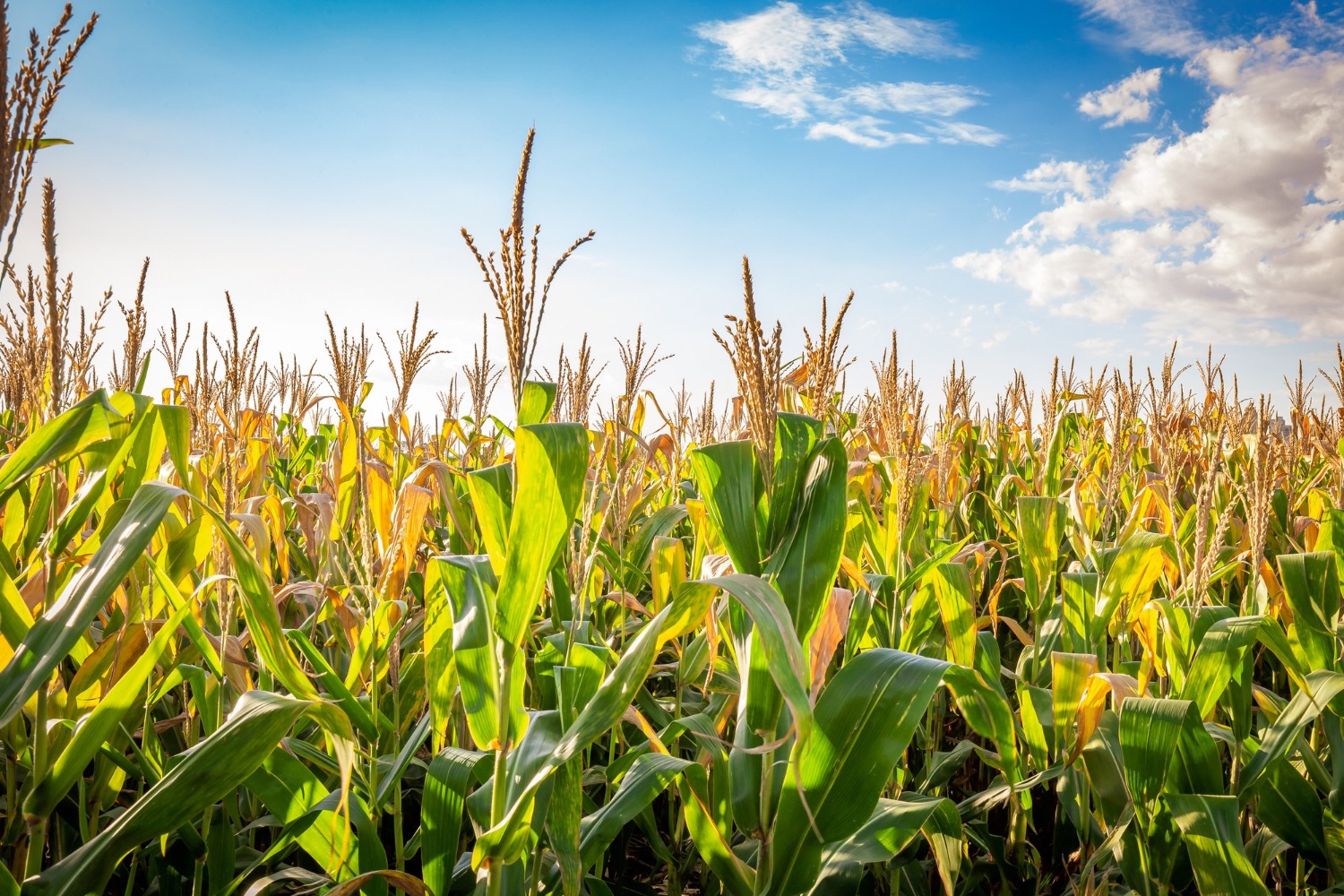
The community hosted its annual Field Day on January 23, where farmers showcased 0.5 hectares of well-developed maize produced through irrigation-supported collective farming. The crop stood in contrast to surrounding rain-fed fields affected by erratic rainfall.
The VBU model promotes shared production, coordinated planning and government-backed support systems, including climate-smart irrigation infrastructure. In Chivi District, solar-powered irrigation has reduced dependence on rainfall, enabling farmers to maintain crop production amid increasing climate variability.
Speaking at the event, Minister of State for Provincial Affairs and Devolution Ezra Chadzamira said irrigation-driven initiatives align with Zimbabwe’s climate adaptation priorities under the National Development Strategy 2 (NDS2) and Vision 2030.
“Climate change is a present reality, and projects such as these demonstrate practical ways of adapting, protecting livelihoods and strengthening food security, particularly in drought-prone areas,” said Chadzamira.
Masvingo Province holds more than 50 percent of Zimbabwe’s water resources, supported by 42 dams, positioning it as a key area for irrigation-led agricultural development. In Chivi District, government has established 89 operational Village Business Units and more than 80 solar-powered irrigation schemes aimed at reducing vulnerability to prolonged dry spells.
Chivi North Member of Parliament (MP) Godfrey Mukungunugwa attributed the progress at Machokodo to coordinated institutional support involving agencies such as the Agricultural and Rural Development Authority (ARDA) and the Zimbabwe National Water Authority (ZINWA).
“Vision 2030 emphasises empowerment and sustainability. When farmers treat land as a business and water as a managed resource, productivity is possible even in dry regions,” he said.
Provincial Director for the Ministry of Lands, Agriculture, Fisheries, Water and Rural Development, Caleb Mahoya noted that irrigation-based production contributes to reduced dependence on food aid and improved household resilience.
Machokodo VBU chairperson Emily Hofisi said the installation of a solar-powered borehole has improved access to water and strengthened confidence in farming activities within the village.
“The availability of water has changed how we plan and farm. It has improved food availability, household nutrition and our ability to meet basic needs, including education,” she said.
As climate change continues to affect rural livelihoods across Zimbabwe, the Machokodo experience highlights the role of irrigation, institutional support and collective farming models in building agricultural resilience in arid and semi-arid areas.