EnviroPress Reporter
MBERENGWA — Sandawana Mine says it spent about US$475,000 on communitydevelopment in 2025, but the projects disclosed so far raise a bigger question for residents of the mineral-rich Mberengwa district: how much of that money has translated into lasting improvements in their daily lives?
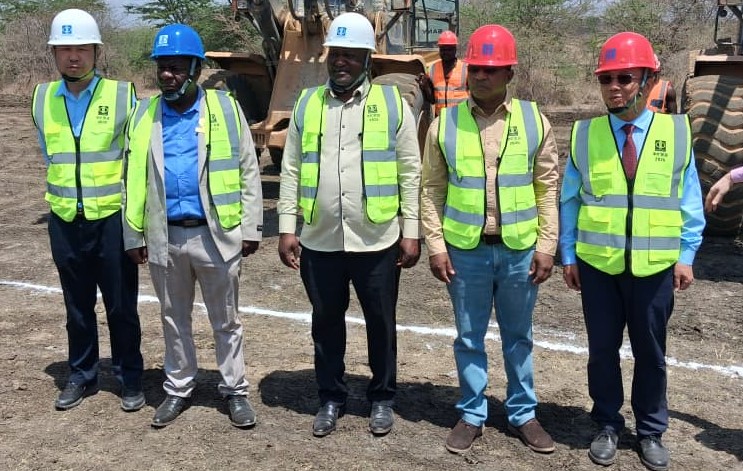
According to Sandawana general manager Godwill Gambiza, the largest share — nearly US$400,000 — went towards rehabilitating a 60-kilometre gravel road linking the mine to the Beitbridge highway. By November 2025, the road was reported to be about 75% complete.
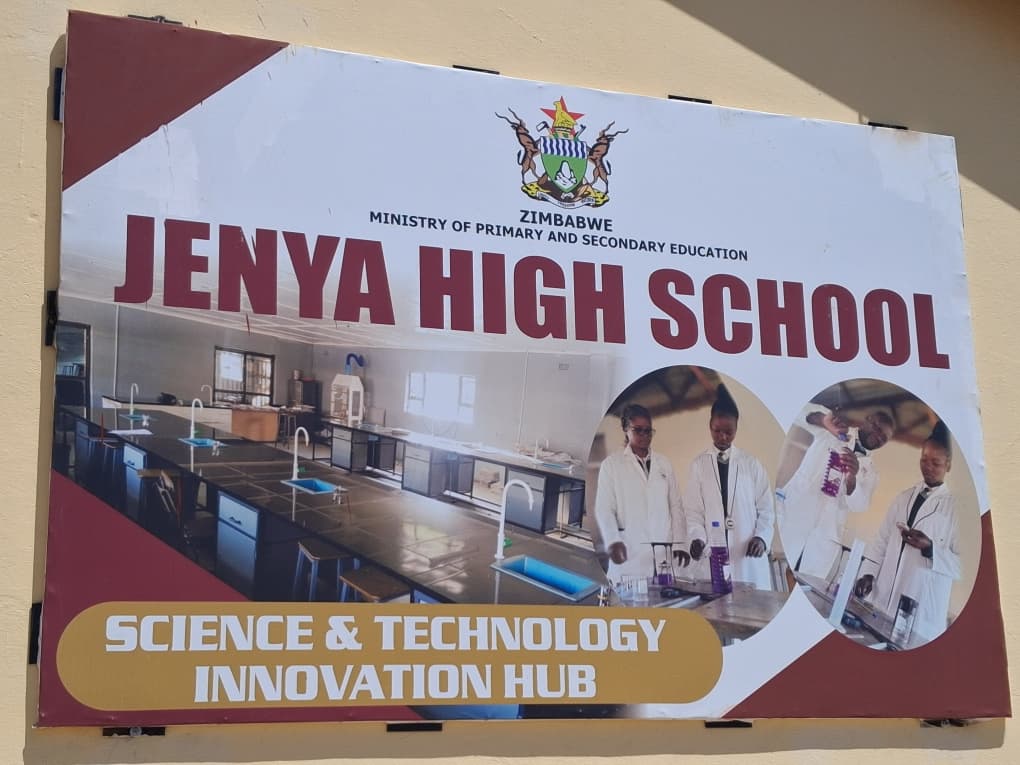
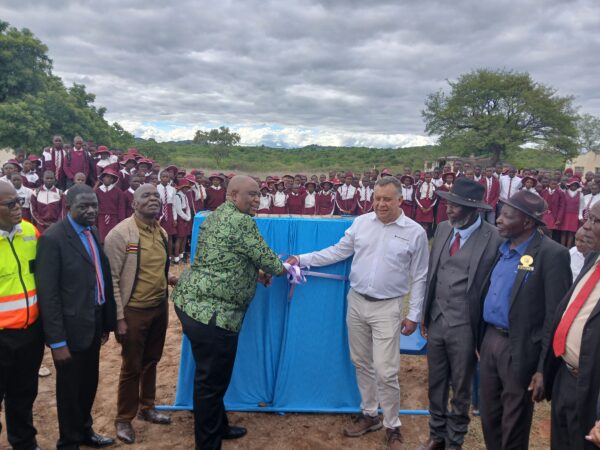
The mine also reported drilling three solar-powered boreholes, including one commissioned at Maringambizi Secondary School, and renovating a classroom block at Chebvute Secondary School after its roof was damaged by strong winds. The company said the boreholes were intended to address persistent water shortages in surrounding communities.
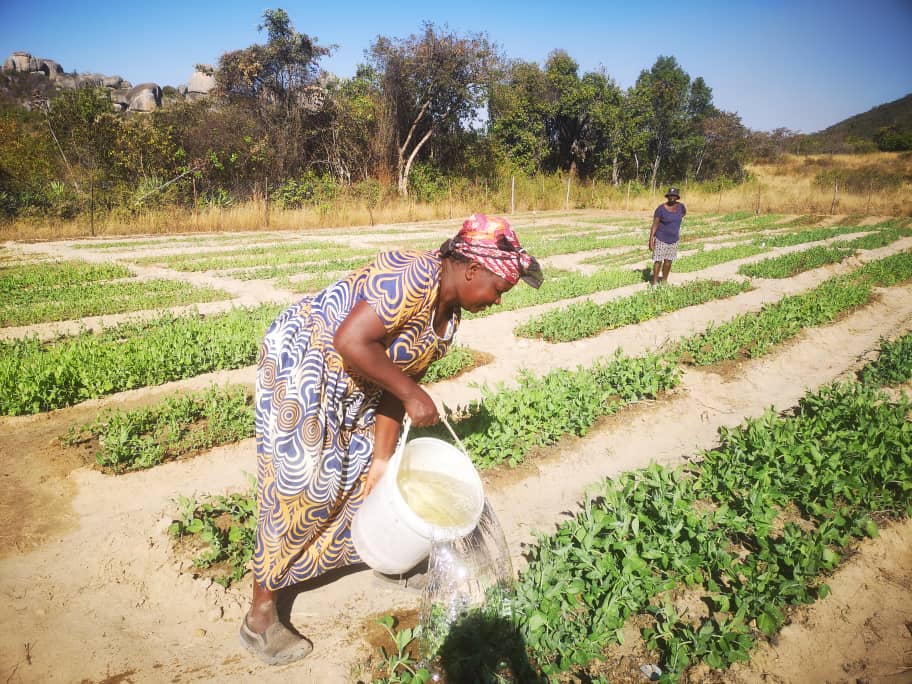
For villagers, the water projects are not abstract corporate-social-responsibility figures. Village head Matanga told EnviroPress Zimbabwe that residents had previously walked long distances to fetch water and could not pursue income-generating activities such as market gardening.
The mine has since indicated plans for 16 solar-powered boreholes in communities around its operations.
But the spending comes against a backdrop of longstanding infrastructure complaints.
Traditional leaders have previously pressed the mine over poor roads and the need to relocate Sandawana Primary School, which is close to mining operations.
In 2023, Chief Ngungumbane said local leaders wanted development projects that would transform an area that had remained underdeveloped despite its mineral wealth.
Roads have remained particularly contentious. Villagers have complained that heavy lithium-haulage trucks have damaged routes serving their communities, while an investigation by CITE documented safety risks associated with trucks carrying lithium ore, including rocks falling onto roads.
That tension helps explain why the US$475,000 figure cannot be assessed simply by counting projects. The central issue is whether community spending is repairing damage caused by mining, meeting longstanding public-service needs, or creating genuinely new development.
There are also much larger promises hanging over the district. Kuvimba Mining House has previously outlined plans for extensive infrastructure development, including roads, electricity and a lithium beneficiation plant.
In November 2025, the company said construction of the processing plant was awaiting Cabinet approval and could create more than 2,000 jobs in its initial phase.
Meanwhile, independent research paints a more complicated picture of mining communities in Zimbabwe.
A 2026 Boston University study found widespread dissatisfaction with socio-economic development around lithium operations, with 94% of surveyed respondents saying their input was not valued by mining companies.
So, where did Sandawana’s US$475,000 go?
The public record currently accounts for about US$400,000 on the road, with the balance directed towards water, school rehabilitation and related community initiatives. What remains less clear is a full, independently verifiable expenditure statement showing the precise cost of every project, the beneficiaries, contractors and completed works.
For a community sitting on valuable lithium deposits, that transparency may matter as much as the money itself.