
EnviroPress Reporter
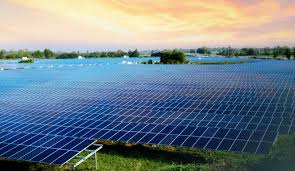
Feasibility studies are currently underway for the construction of a 60-megawatt (MW) solar power plant that is set to inject clean energy into the national grid and bring lasting benefits to local communities.
The project, which is part of Kuvimba Mine’s community give back, has a peak capital investment requirement of approximately US$300 million, marks a major step toward sustainable energy development in Zimbabwe.
The proposed plant is expected to significantly boost electricity availability in the surrounding areas, many of which continue to face chronic power shortages and limited access to grid electricity. Project proponents say the initiative will not only help reduce Zimbabwe’s reliance on fossil fuels but also serve as a catalyst for local economic growth.
“This solar plant is a strategic investment in both energy security and community empowerment. It will ensure that local households, schools, clinics, and small businesses benefit directly from reliable and renewable electricity,” said a source close to the project.
If approved, the project will be one of the largest solar energy developments in the country, aligning with Zimbabwe’s broader Renewable Energy Policy goals of diversifying energy sources and cutting greenhouse gas emissions by 33 percent by 2030.
In addition to improving energy access, the plant is expected to create hundreds of jobs during its construction phase and stimulate secondary economic activity through local procurement and service opportunities.
As the feasibility studies progress, community leaders and local stakeholders have expressed hope that the project will be implemented transparently and with meaningful involvement from residents.
The project comes at a time when Zimbabwe is ramping up its investment in solar energy as part of efforts to modernize the energy sector and support rural electrification. If successful, the 60MW solar plant could serve as a model for future public-private energy partnerships in the region.