Tiyani Hahlani
Traditional knowledge systems are increasingly being recognised as a vital component of wetland conservation in Masvingo Province, as government and communities work together to protect ecosystems that support water security, biodiversity and rural livelihoods.
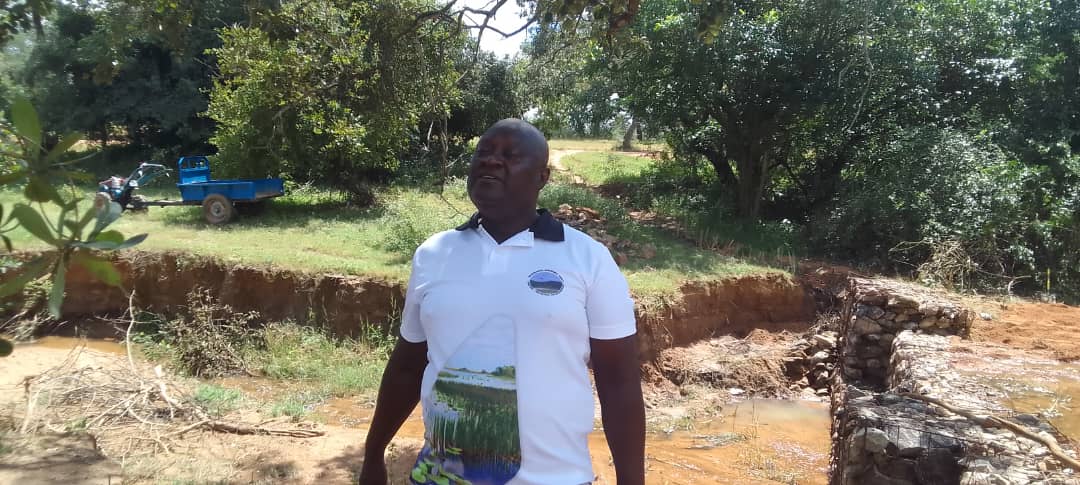
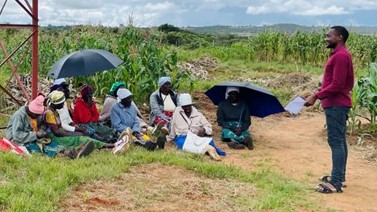
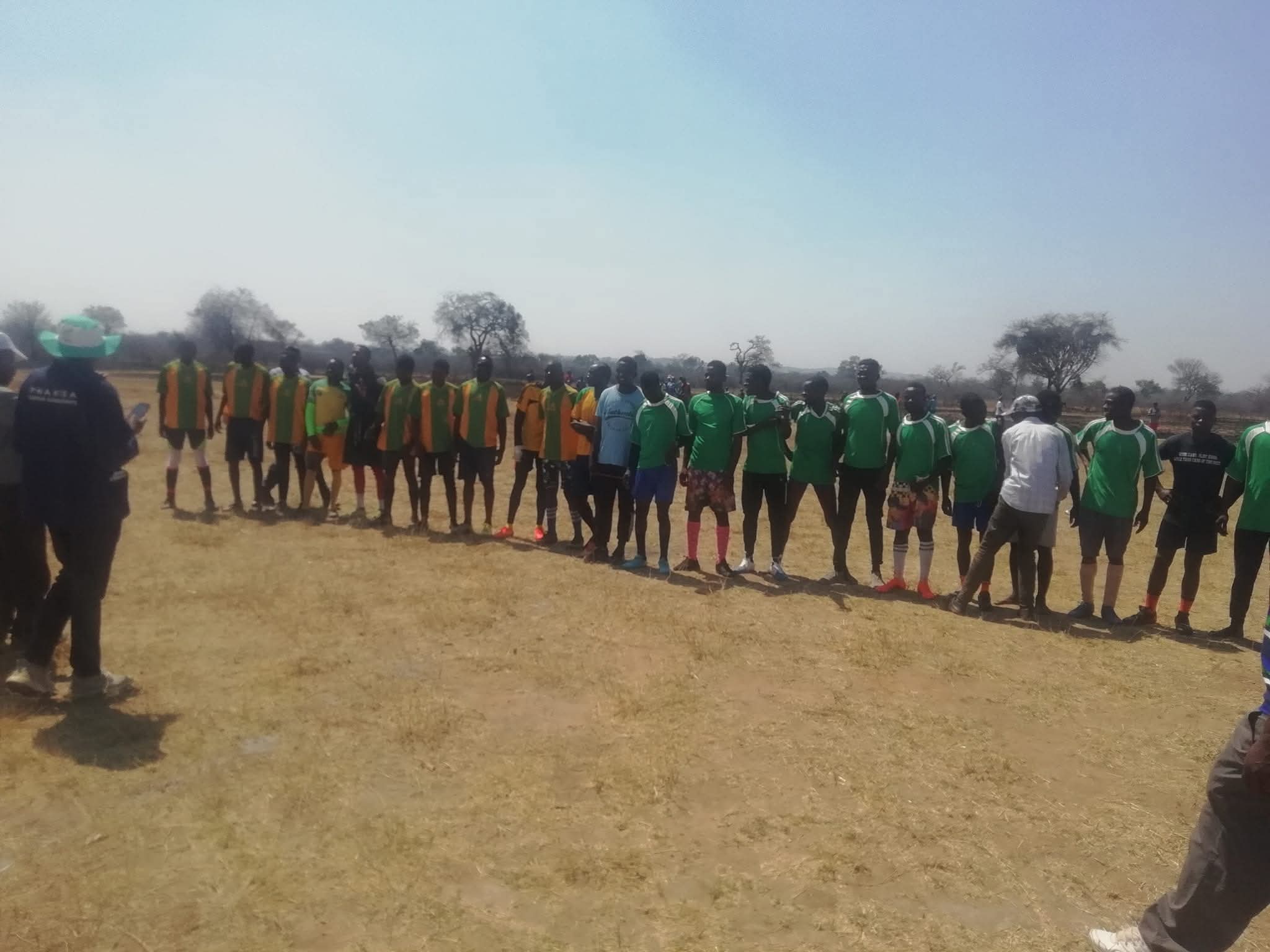
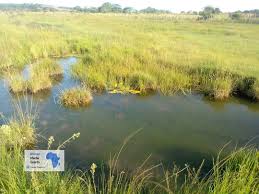
The focus came to the fore during World Wetlands Day commemorations held at Nerumedzo in Ward 15, Bikita East, held under the theme “Wetlands and traditional culture: celebrating cultural heritage.”
Speaking at the event, Environmental Management Agency (EMA) Masvingo provincial manager Milton Muusha underscored the role of traditional leaders in protecting wetlands.
“Traditional leaders must revive and strengthen indigenous knowledge systems, which remain essential in safeguarding wetlands from degradation caused by overexploitation, pollution and climate pressures,” said Muusha.
He added that Zimbabwe has a national obligation to promote wetland conservation in line with the Ramsar Convention, which seeks to halt global wetland loss.
Delivering a keynote address on behalf of the Minister of State for Masvingo Provincial Affairs and Devolution, Ezra Chadzamira, Permanent Secretary Dr Addmore Pazvakavambwa said government recognises the ecological and cultural value of Nerumedzo Forest.
“Nerumedzo is known across the country for its unique biodiversity, including harurwa (edible stinkbugs), which form part of local diets and cultural heritage,” said Dr Pazvakavambwa.
He highlighted the importance of the Chinyamaparo Spring, warning that pollution threatens both ecosystems and communities.
“When our springs are polluted, the water feeding forests like Nerumedzo becomes unsafe, threatening biodiversity and human health,” he said.
Pazvakavambwa said government policy under National Development Strategy 2 places communities at the centre of conservation efforts.
“Sustainable conservation begins at community level, with government providing technical support,” he said.
A local chief from the Nerumedzo area said customary laws have long protected wetlands and forests.
“Our culture taught us where not to cut trees, where not to dump waste and how to respect sacred water sources. We must pass this knowledge to younger generations,” he said.
Zimbabwe recognises wetlands as critical to biodiversity protection, climate resilience and water regulation under national policy and the Constitution, and currently holds the Ramsar Conference of the Parties presidency for the 2025–2028 period.