EnviroPress Reporter
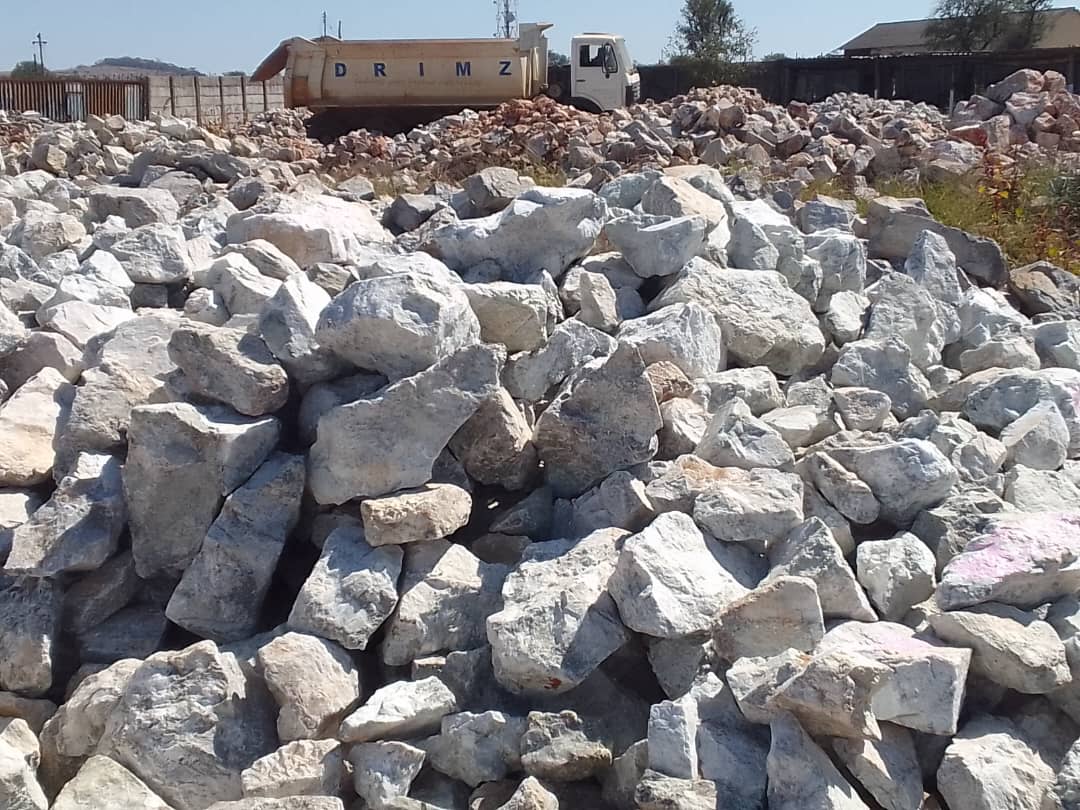
As Zimbabwe intensifies efforts to become a global hub for lithium processing, experts are sounding the alarm over the environmental and social consequences of its booming mining sector.
A growing body of research, including findings from the African Institute for Environmental Law, warns that lithium beneficiation processes—especially grinding and flotation—are energy-intensive and environmentally hazardous.
“The lithium beneficiation process requires energy intensive grinding and flotation processes, which exacerbate environmental pollution by producing tailings with harmful chemicals,” the institute notes.
These tailings, the residue left after valuable minerals are extracted, often contain toxic chemicals and heavy metals. When poorly managed, they can leak into nearby soil and water systems, threatening both biodiversity and public health.
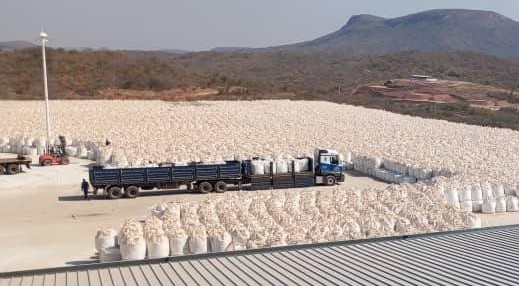
Across Zimbabwe’s mineral-rich regions, particularly in Masvingo Province where Bikita Minerals operates Africa’s largest lithium mine, communities have begun to feel the impacts of unchecked beneficiation.
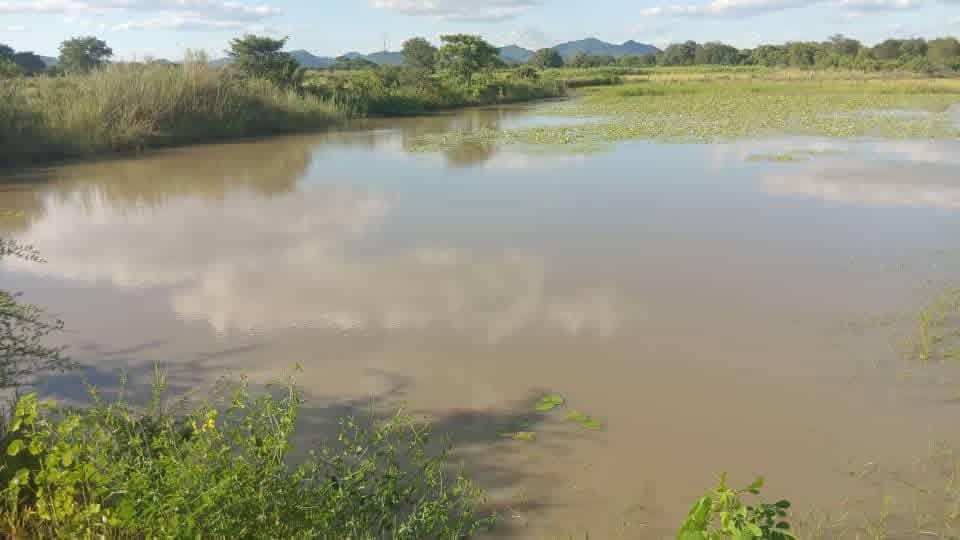
In villages surrounding the Matezva Dam, farmers have reported rotting crops and dying fish—events they suspect are linked to recent mining discharges into the water source. With most locals dependent on agriculture and fishing for survival, such disturbances are more than ecological—they are existential.
“We live off this land,” said Emma Madakadze, a farmer in the Matezva irrigation scheme. “When the crops rot and the fish vanish, our entire lives are shaken.”
While lithium presents an unprecedented economic opportunity for Zimbabwe—positioning it as a key supplier in the global green energy transition—experts urge that progress must not come at the expense of people and the planet.
“Addressing these challenges requires a detailed study of the environmental and societal impacts of lithium mining in Zimbabwe, with a focus on the well-being of local communities,” the institute emphasizes.
Environmentalists and civil society groups are pushing for reforms, including stricter environmental impact assessments, public participation in mining decisions, transparent reporting on pollution incidents, and stronger accountability mechanisms for mining companies.
The Zimbabwean government has banned the export of unprocessed lithium to encourage local value addition and maximize national benefit. While this policy has drawn significant foreign investment—particularly from Chinese firms—questions remain about who ultimately profits and who bears the burden.
If properly managed, lithium beneficiation can create jobs, build infrastructure, and raise revenue. But without adequate safeguards, it risks leaving behind toxic legacies, degraded ecosystems, and disempowered communities.