Tiyani Hahlani
As climate shocks intensify across Zimbabwe’s rural districts, development practitioners continue to confront a fundamental question: what endures when donor funding concludes?
For communities supported under the CARE Zimbabwe-led Takunda project, funded by the United States Government, the answer lies in strengthened local systems, transferred skills and embedded leadership structures designed to sustain progress beyond the life of the programme.
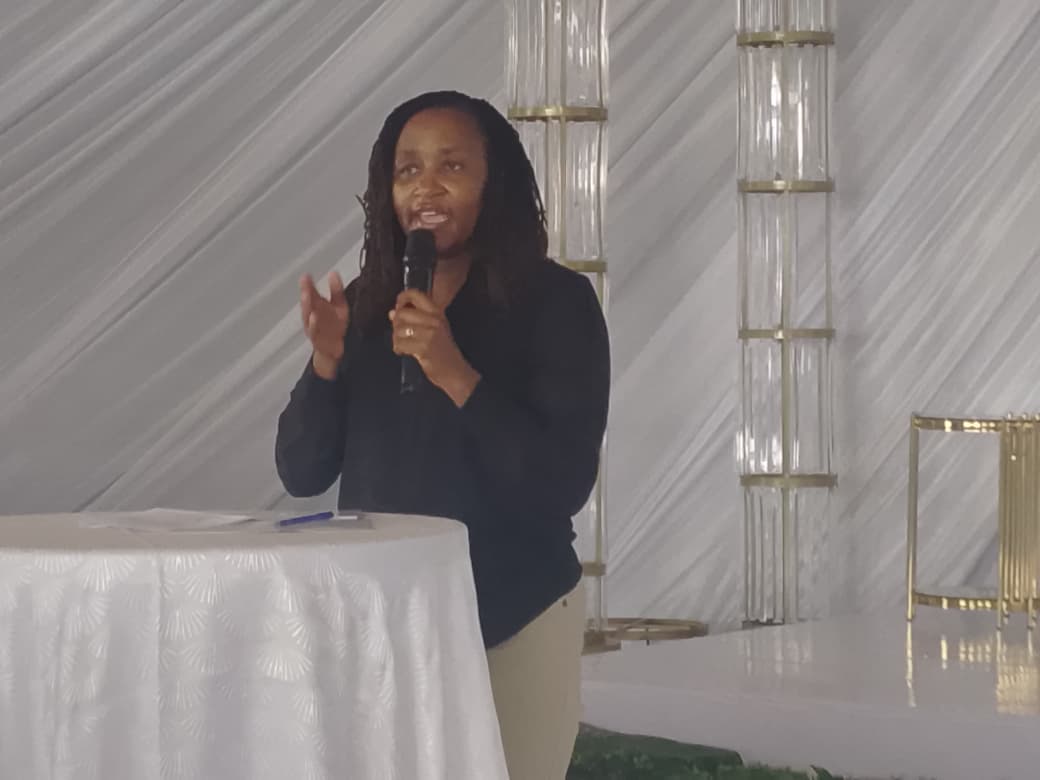
Speaking at the project’s close-out event, CARE Zimbabwe Interim Country Director Charlene Ambali said the initiative was intentionally structured to promote self-reliance rather than long-term dependency.
“These projects were never intended to create dependence, but to unlock potential within communities. What we celebrate today is not just completed activities, but strengthened systems, enhanced capacities and cultivated leadership,” said Ambali.
From its inception, the programme aligned with Zimbabwe’s National Development Strategy 1 and laid groundwork consistent with the forthcoming National Development Strategy 2.
Its thematic focus — food and nutrition security, resilient livelihoods, youth empowerment, water, sanitation and hygiene services, and inclusive economic growth — reflects priorities outlined under Vision 2030.
Rather than operating parallel to government structures, the project integrated its interventions within provincial, district and ward-level systems to enhance sustainability.
According to Ambali, institutional integration was central to ensuring continuity, allowing development gains to be absorbed into routine district planning and implementation processes.
At community level, results were particularly evident in the adoption of climate-smart agriculture.
In districts increasingly affected by erratic rainfall and prolonged dry spells, farmers implemented conservation agriculture techniques, diversified crops and strengthened water management practices to stabilise yields amid climatic uncertainty.
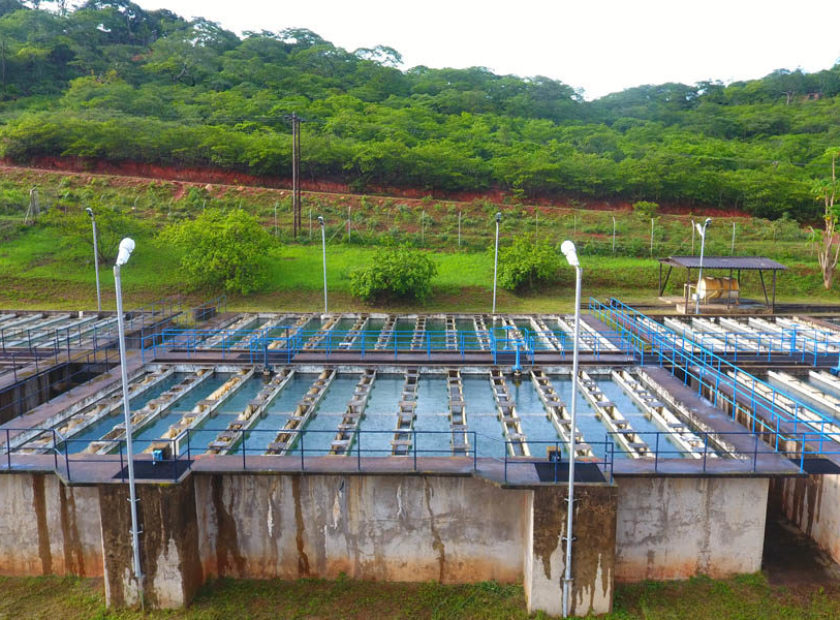
Water access systems were rehabilitated and expanded, contributing to improvements in sanitation and household nutrition.
Village savings and lending groups, alongside enterprise platforms, supported income generation and helped households build financial buffers against economic and environmental shocks.
The programme also trained Local Service Providers to continue offering technical and advisory support after the project’s closure, ensuring that knowledge and expertise remain accessible within communities.
“These results demonstrate that locally led development can deliver measurable and lasting change,” said Ambali.
Beyond national frameworks, the project contributes to progress toward several United Nations Sustainable Development Goals, including poverty reduction, zero hunger, gender equality, clean water and sanitation, and climate action.
In drought-prone regions, resilience-building measures are increasingly viewed as essential rather than optional.
Ambali described the programme’s conclusion as a transition rather than an exit.
“Today does not mark an ending; it marks a transition. Systems are in place. Skills are embedded. Partnerships are active. Communities now lead the next phase of their development with strengthened confidence and capacity,” she said.
She acknowledged the Government of Zimbabwe for its stewardship and policy alignment, and expressed appreciation to the United States Government for financial and technical support that enabled adaptive programming throughout the project lifecycle.
Implementing partners and Local Service Providers were also recognised for reinforcing the value of locally accessible expertise in sustainable development.
Ambali reserved particular recognition for community members — including women, youth, traditional leaders and farmers — whose participation anchored the programme’s implementation and outcomes.
As Zimbabwe continues to navigate climate variability, water stress and persistent rural poverty, the Takunda experience underscores a broader lesson: the durability of development outcomes depends less on the duration of funding and more on the strength of institutions and community capacity.
By prioritising systems strengthening, climate adaptation and inclusive participation, the programme offers a practical model for transitioning from externally driven support to locally sustained resilience.