Trymore Tagwirei
Wheat farmers in Masvingo’s Rupike area say their fortunes are changing, thanks to the Technologies for African Agricultural Transformation (TAAT) programme, which has been described as a gamechanger in boosting productivity and incomes.
The programme, housed under the Department of Research, Education and Specialists Services in the Ministry of Lands, Agriculture, Water, Fisheries and Rural Development, was showcased last week during a Wheat Field Day at Rupike Business Centre.
Funded by the African Development Bank (AfDB), TAAT is designed to enhance food security across the continent by deploying climate-smart, high-yielding agricultural technologies.
Since its launch in 2018, the initiative has partnered with smallholder farmers in Zimbabwe to improve wheat productivity, strengthen seed systems, and open agribusiness opportunities for young people.
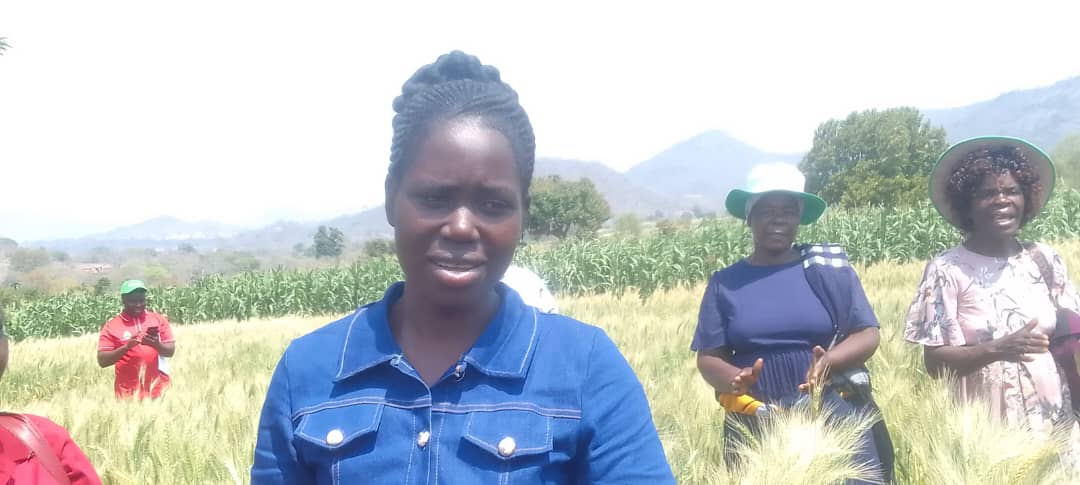
Local farmer Julia Chavengwa credited TAAT with transforming livelihoods.
“Joining the TAAT programme has dramatically changed the lives of many farmers in our community. We are happy to be equipped with smart farming technologies, and this programme is good to us as farmers because we are making money from wheat,” said Chavengwa.
Among its key interventions, TAAT has trained farmers in seed production, introduced heat-tolerant wheat varieties, and supported the adoption of drought-tolerant maize, high-iron beans, rice, sorghum, millet, orange-fleshed sweet potatoes, and improved livestock breeds.
Seed technologist, Evelyn Musora, underscored the importance of correct agronomic practices.
“It all starts with a seed. Farmers must follow proper agronomy practices, especially when producing seed wheat, to ensure quality and productivity,” said Musora.
The programme also runs ENABLE-TAAT, a youth empowerment initiative that equips young people with agribusiness skills to promote entrepreneurship in the agricultural sector.
Experts say the results are already visible. Zimbabwe’s 2024 wheat harvest reached 92 percent of the national target of 600 000 metric tonnes — a milestone partly credited to TAAT’s climate-smart innovations.
With its continued rollout, the programme is expected to further strengthen agricultural value chains, engage the private sector, and help communities like Rupike build resilience against climate change.