Trymore Tagwirei
Zimbabwe, home to some of Africa’s largest lithium reserves, holds immense potential to become a major player in the global energy transition discourse.
However, poor governance, smuggling and lack of value addition threaten to turn this opportunity into yet another story of lost potential and exploitation.
Despite President Emmerson Mnangagwa’s repeated assurances of promoting a just transition, Zimbabwe’s extractive sector continues to be plagued by corruption, environmental degradation and deep-rooted inequality.
These persistent challenges continue to stall progress and limit real transformation.
Speaking at COP29, President Mnangagwa highlighted the need for local beneficiation.
“We must leverage our natural resources, especially lithium, to diversify and grow our economy,” he said.
However, the situation on the ground tells a different story.
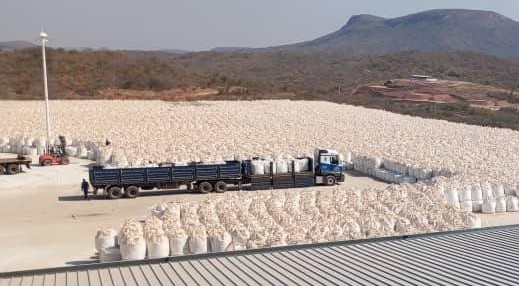
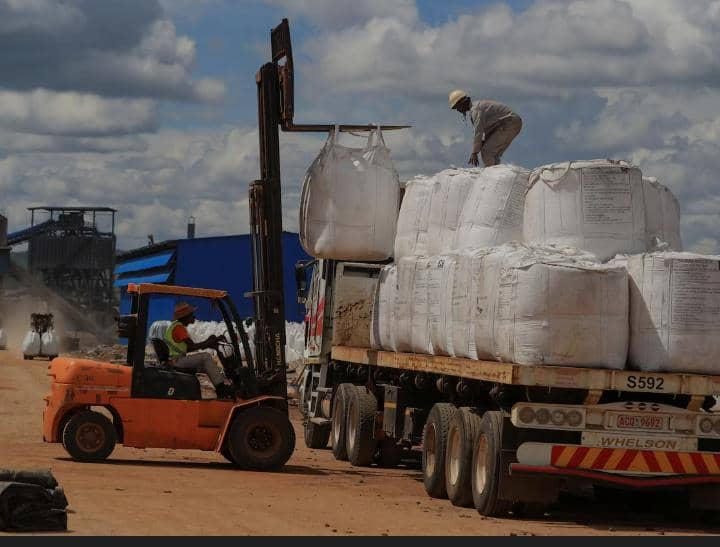
Despite the government-imposed ban on the export of unprocessed lithium set to take effect in 2027, raw lithium continues to flood out of the country primarily to China with minimal local processing or value addition.
Oxpeckers journalist recently investigated lithium smuggling from Bikita Minerals Mine through the Forbes border post to Beira in Mozambique.
Zimbabwe’s lithium is currently extracted in areas such as Kamativi, Bikita Minerals, Sandawana Mines in Mberengwa, Zulu Mine in Matabeleland South, Sabi Star in Buhera, and Prospect Mine in Goromonzi.
Investigations by EnviroPress Zimbabwe have revealed rampant smuggling of lithium concentrate, depriving Zimbabwe of much-needed revenue and limiting prospects for developing a value-added industry.
Meanwhile, local communities living in these mineral-rich areas receive little to no benefit.
Instead, they face environmental destruction, displacement, and continued poverty.
Nyasha Frank Mpahla, Executive Director of Green Governance Africa, emphasized the urgency of creating a Just Energy Transition roadmap.
“For countries like Zimbabwe, the energy transition is also an opportunity to reclaim control over our natural resources mainly lithium.
“From establishing local processing plants to negotiating better deals and putting in place protections for communities, this transition could bring real social and economic benefits,” he said.
Yet these benefits remain elusive. Reports highlight the negative environmental and social impacts of lithium mining, particularly in Chinese-operated sites.
Communities report deforestation, water pollution, and exploitative labor practices. Workers often endure dangerous conditions and low pay, while profits flow out of the country.
The mining sector is a cornerstone of Zimbabwe’s economy accounting for 60 percent of exports and contributing around 13 percent to Gross Domestic Product (GDP), according to Green Governance Zimbabwe.
But without real reform and accountability, the sector risks repeating past mistakes of resource mismanagement.
To realize the promise of a just energy transition, Zimbabwe must move beyond political rhetoric. The government must enact and enforce comprehensive laws that promote responsible mining, prioritize local beneficiation, and ensure communities are direct beneficiaries of the wealth beneath their feet.
Until Zimbabwe ends the export of unprocessed lithium and invests in local processing and governance, its clean energy future will remain a distant dream while its people continue to shoulder the burden of a broken system.