Tiyani Hahlani
As artisanal miners flock daily to the banks of the Runde River in Zavare’s Ward 21 in search of gold, a quieter struggle continues to unfold in the surrounding villages, where poverty, limited education and survival pressures have left young girls and women vulnerable to exploitation and HIV infection.
National AIDS Council (NAC), operating from Chomuruvati Primary School, introduced the sister-to-sister programme, targeting adolescent girls and young women aged between 15 and 24.
The initiative seeks to reduce new HIV infections by equipping participants with sexual and reproductive health knowledge, life skills and access to essential health services in a community shaped by informal mining activities.
The proximity of artisanal mining sites has created conditions that expose young girls to transactional relationships, often driven by desperation.
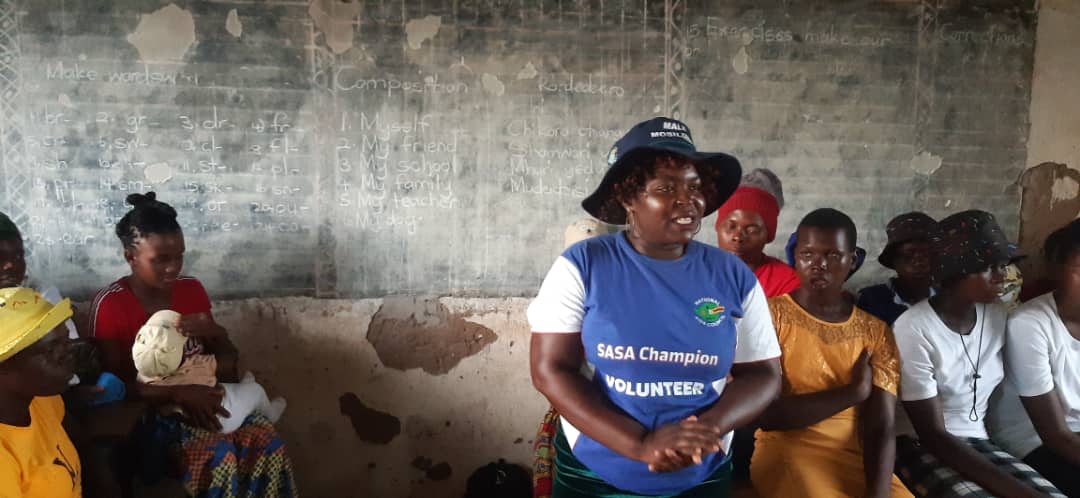
Kubatanai Sister to Sister Club mentor, Liason Musungo, said the sister-to-sister programme helps these girls to have the knowledge on the risk of indulging in sexual relations and also helps them know their status and also it has come as a game changer to these adolescents and young girls.
“Through the sister-to-sister programme we regularly engage into sessions to educate girls on HIV prevention, the importance of knowing their status and the skills needed to negotiate safer relationships.
“Despite the long distances to clinics and hospitals, the programme has already registered tangible progress. Of the 50 girls currently participating in the club, 40 now know their HIV status, marking a significant step towards early detection and prevention.
“The programme is also restoring dignity among the girls by addressing menstrual hygiene challenges as the girls are being provided with sanitary pads, replacing unhygienic alternatives such as torn rags that many previously relied on due to financial constraints,” said Musungo.
Moreover, they are also artisanal miners who mine in the Runde river frequently manipulate girls using small incentives.
“In our community these young girls face challenges of being manipulated by artisanal miners who use small items like drinks and biscuits to entice them into sexual relations and sometimes they would give the girls as little as US$2.00 and they would think that it is a lot of money,” she said.
However, Musungo noted that poverty remains the underlying driver of vulnerability. Many of the girls are orphans or come from households facing severe financial hardship, forcing them to drop out of school at an early age.
“Some of these girls only reached Grade 7 and were never able to even collect their results. Because they are not in school and have no financial support, they end up involved with older men,” she said.
While the sister-to-sister programme is helping young women protect themselves and make informed choices, Musungo believes lasting change lies in education.
She appealed for additional support to enable vulnerable girls to return to school, describing education as the strongest defence against exploitation and HIV infection.
“My wish is that these girls are helped to go back to school. Without education and support, they remain at risk,” she said.
This programme of Sister to Sister is being implemented in different districts in the Masvingo Province that is in Bikita, Masvingo Rural.