Rutendo Chirume
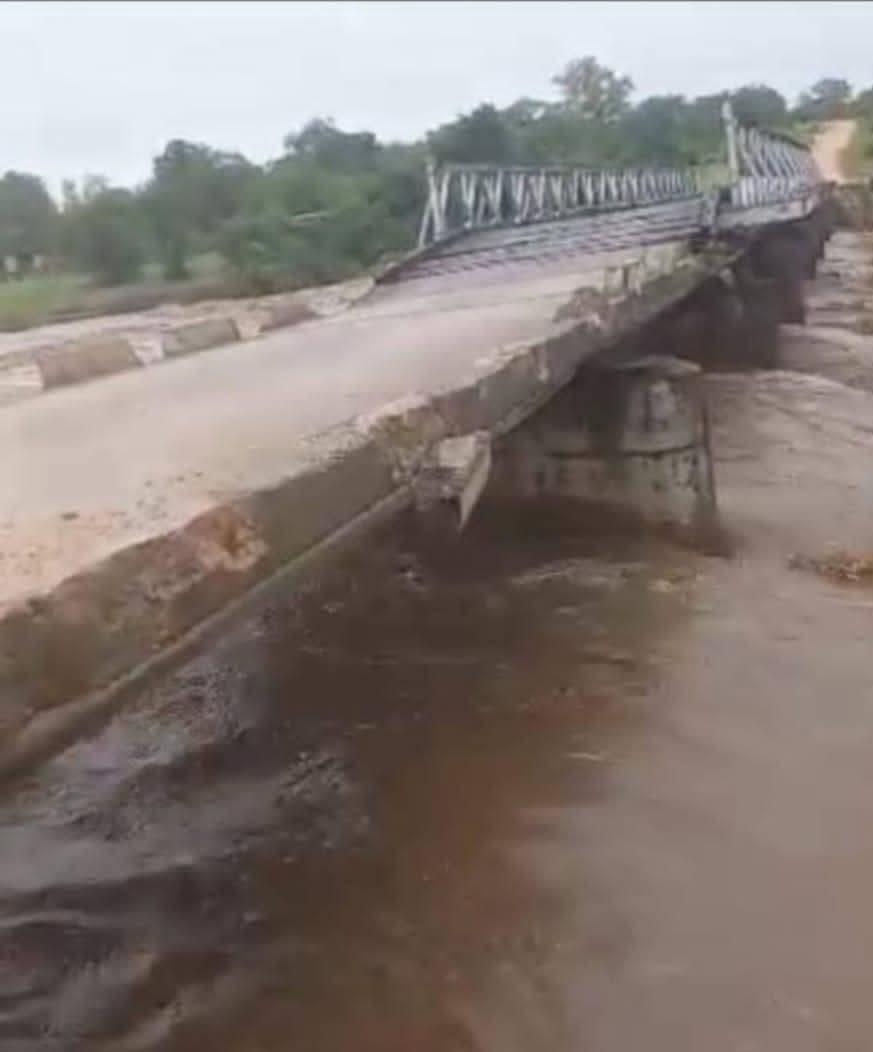
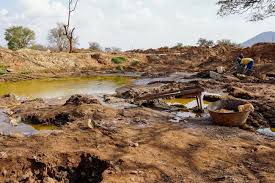
In Kadoma, Zimbabwe, the river that once sustained generations now runs brown with silt and chemical waste from nearby mines.
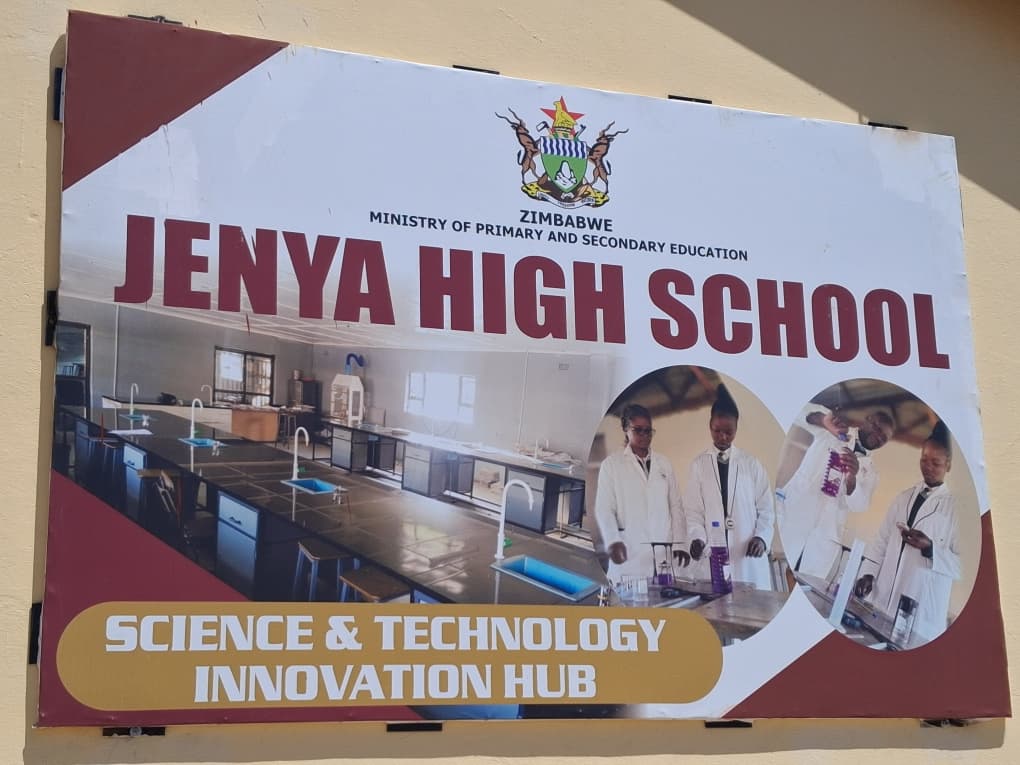
Families displaced from ancestral lands struggle to rebuild their lives, while schools and clinics remain underfunded—despite the mineral wealth extracted from beneath their soil.
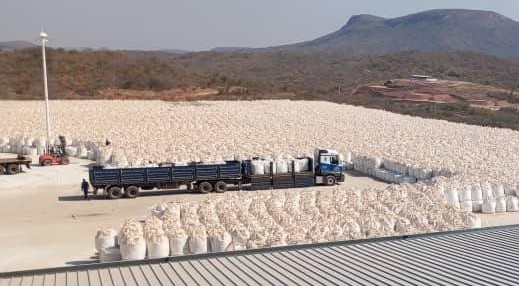
These realities are echoed across mining regions like Bikita, Buhera, Shurugwi and Mberengwa. They formed the backdrop for the Zimbabwe Coalition for Debt and Development (ZIMCODD)’s Extractives Boot Camp, held in Domboshava from September 28–30, where activists, community leaders, and policy advocates gathered to strategize for greater accountability in Zimbabwe’s mineral sector.
Building solidarity across struggles
In his opening remarks, Nqobizitha Mlambo, national coordinator for the Fighting Equality Alliance, emphasized the camp’s mission to build a people-to-people solidarity network.
“Our strategic objective is to empower individuals from areas where minerals like lithium are being extracted.
“This is about understanding the nature of mineral extractivism, analysing its benefits and costs, and addressing the challenges faced by communities every day,” he said.
The boot camp aimed to connect environmental, human rights, and climate justice activists across regions, fostering peer learning and amplifying a united voice for fairer mining practices.
Exposing corruption and financial injustice
ZIMCODD programs officer Tendai Nyamadzi led discussions on corruption and illicit financial flows, revealing how billions in potential revenue are lost through tax evasion, smuggling, and underreporting. These losses deprive citizens of essential services like education, healthcare, and infrastructure.
“Accountability is not only about exposing corruption. It is about restoring power to communities so they can shape their own development,” said Nyamadzi.
Health, environment and tools for action
Sessions on environmental and health impacts highlighted how mining operations pollute water sources, cause deforestation, and fuel respiratory diseases in local communities.
Participants were introduced to practical social accountability tools, including participatory budgeting, contract monitoring, digital reporting platforms, and community scorecards—mechanisms that enable citizens to track whether mining revenues are reaching schools, roads and clinics.
Stories of resistance and progress
The boot camp also spotlighted success stories from across Zimbabwe. In Mutoko, citizens used public expenditure tracking to channel granite revenues into health facilities and infrastructure.
In Marange, community monitoring of diamond fields helped push companies toward fairer compensation and corporate responsibility.
A renewed commitment to justice
As the Extractives Boot Camp concluded, participants pledged to transform Zimbabwe’s resource wealth into a foundation for justice, health, and sustainable livelihoods.
The call for solidarity was clear: communities must be empowered to hold mining companies and government institutions accountable, ensuring that the benefits of extractive industries are shared equitably.
From the polluted rivers of Kadoma to the granite hills of Mutoko, Zimbabwe’s mining communities are rising—not just to demand answers, but to shape their own future.