Trymore Tagwirei
In Bikita district sustained community engagement is transforming possible forced relocation into a negotiated process, marking a shift in how mining companies interact with affected communities in Zimbabwe.
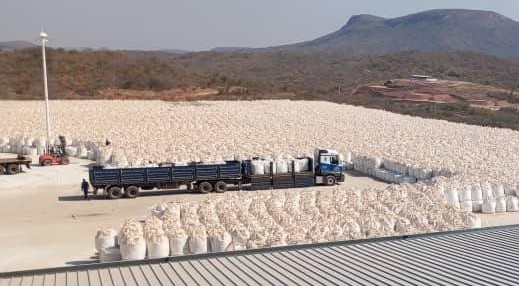
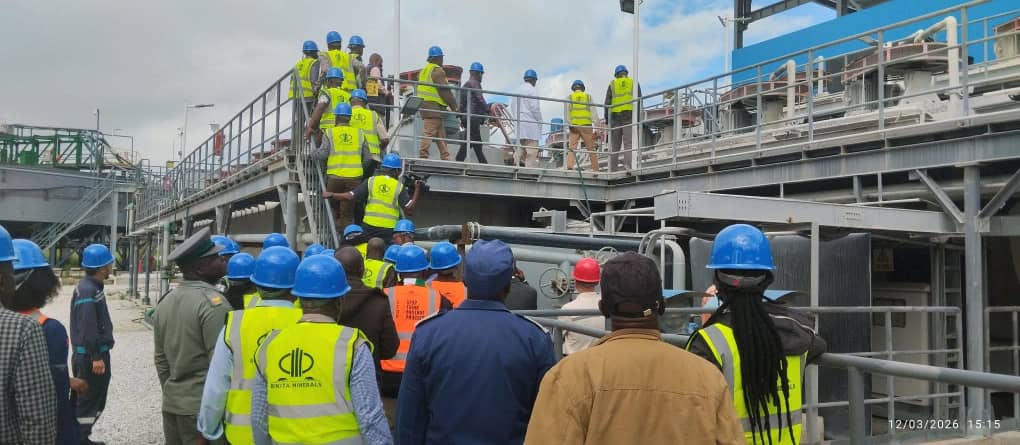
A study compiled by ActionAid Zimbabwe examines the impact of expanding lithium operations by Bikita Minerals and highlights how civil society interventions helped rebalance power between the mining company and local residents.
The case begins back to between 1999 and 2000 when, during the Land Reform Programme, eight households settled on a mining claim at George Nollen Farm.
Despite lacking formal land tenure, the families built permanent homes and livelihoods over more than two decades.
However, in 2022, the expansion of lithium mining triggered relocation pressures, exposing the communities’ vulnerability due to weak land rights and limited access to grievance mechanisms.
According to the report, the relocation process shifted from unilateral decision-making towards negotiated and more equitable outcomes following sustained engagement by civil society actors.
“Initially, the affected households faced exclusion from formal processes, as they were considered illegal settlers.
“But community mobilisation and dialogue platforms reframed the narrative, recognising their long-standing occupation and dependence on the land.
“By foregrounding lived realities rather than narrow legal status, the process created space for relocation approaches that extended beyond procedural compliance,” the study noted.
Read More: Bikita Minerals expansion: more families face eviction
Report calls for fair compensation framework to protect women displaced by lithium mining
Support from Zimbabwe Human Rights Commission (ZHRC) through Mobile Human Rights Clinics (MHRCs) proved pivotal. These platforms enabled affected families to understand their rights and formally present grievances.
“The MHRCs provided accessible legal information, clarified entitlements and limitations, and offered independent mediation,” the report stated.
Adonia Togara of Murape village said civic organization that came and engaged with both the affected villagers and the mine helped them to have a good dialogue with the mine authorities.
“Firstly, we want to thank the organizations that came to us and have dialogues with us and the mine authorities. The dialogues were very helpful because now the mine is consulting us about our relocation. We are now able to express our grievances,” he said.
As a result, communities are now able to engage more meaningfully with the relocation process, challenging standardised compensation models and demanding solutions that reflected their specific needs.
Consultations revealed that uniform two-bedroom housing proposals were inadequate to restore livelihoods and social structures, prompting calls for more tailored compensation packages.
High-level engagements involving government officials, traditional leaders, and the mining company further strengthened the process.
This led to Bikita Minerals agreeing to compensate affected households, with proposals currently under review by investors.
The report highlights this as a significant shift, noting that families previously labelled as illegal were brought into structured, participatory relocation discussions.
However, despite progress challenges remain, with the report pointing to the flat-rate assistance and standardised housing designs which do not fully reflect household-specific needs, livelihood systems, or cultural practices.
In one instance, a female-headed household was initially excluded from relocation plans, exposing gender inequalities within the process but the omission was later corrected through targeted engagement.
The case also underscores broader systemic gaps in land governance and compensation frameworks in Zimbabwe’s mining sector, calling for reforms that recognise informal settlers and strengthen grievance mechanisms.
“The Bikita case study now stands as a potential best-practice model for managing mining-induced relocation. The experience demonstrates how accountability mechanisms, rights awareness, and community participation can reshape extractive decision-making in ways that are more equitable, transparent, and socially responsive,” further reads the report.
The report concludes that the energy transition, driven by demand for minerals like lithium, does not have to reproduce extractive injustice if communities are meaningfully included in decision-making processes.