By Kudzai Chikiwa
Fragmented advocacy efforts against the many abuses in the extractive sectors of African countries will continue yielding results that are below potential until there is stronger coordination by civil society voices, social justice advocates have said.
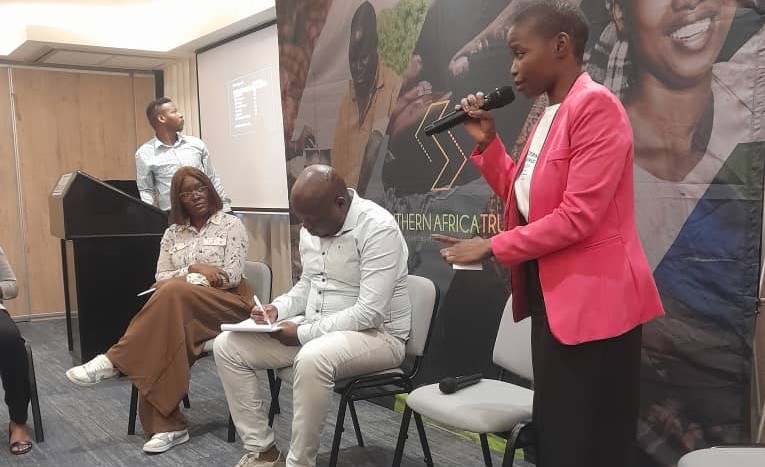
This sentiment emerged on the sidelines of the Alternative Mining Indaba (AMI) held recently in Cape Town, South Africa.
Speaking during a story-telling side session organised by the Southern Africa Trust, a policy reform and economic justice advocacy organization, Mozambican Mineworkers Association executive director Moises Uamusse said while advocacy efforts have intensified in individual countries, extractive harm remains strikingly similar across borders.
“The aim is to elevate extractive justice from scattered national debates to a unified continental agenda. If we approach say the African Union as one voice, they will listen,” he said.
Uamusee, himself a former mine worker in Johannesburg, was of the opinion that without collective bargaining power, individual states risked negotiating from weaker positions in the global energy transition landscape.
“A common legal framework to confront the structural challenges facing mining affected areas would carry political weight,” he said.
Publish What You Pay Zambia national director Nsama Chikwanka said Africa’s extractive challenges were embedded in historical patterns of resource governance, global demand dynamics, and regulatory gaps that transcended borders.
“If we move from individualism to a collective movement, we then reframe extractive justice as a shared African concern. What changes is the narrator and country name, but never the narrative,” he said, adding that interventions should therefore address the common extractivism experienced across Africa.
Read More: For women in Zimbabwe, the green future is paved with illness and exploitation
Pregnant woman dies after Bikita Minerals rejects request for ambulance
Mercury continues to dominate Mberengwa gold processing
Communities in bitter conflict with lithium company, elite school over water rights
Economic Justice for Women Project (EJWP) Zimbabwe executive director Margaret Mutsamvi shared similar sentiments, saying collaboration by civil society was essential for synergising advocacy efforts.
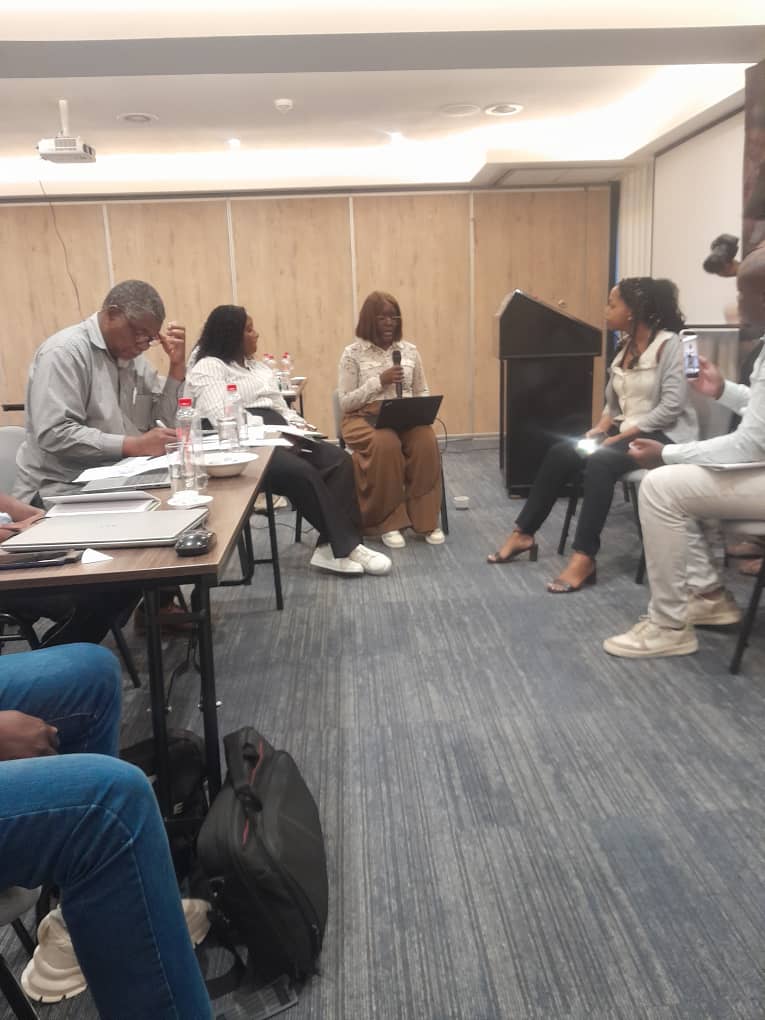
“In fragmented advocacy landscapes, governments and regional bodies may treat concerns as isolated national disputes. But when civil society movements coordinate regionally, they gain leverage. We have to negotiate with our leaders and regional blocs for policy reform,” said Mutsvamvi, referencing continental frameworks such as the Africa Mining Vision whose transformative potential, she said, depended on coordinated pressure.
She proposed a model of solidarity grounded in shared systemic patterns, corruption risks, governance gaps, and community marginalisation while remaining sensitive to historical and economic differences.
During the session, participants from different countries shared stories of extractive abuses from the heavy sand mines in Mozambique and manganese mines of Zambia to the new lithium in Zimbabwe.
Participants also called for intensified efforts for community-led reparatory justice for vulnerable African countries that played very little role in global warming, but are the most vulnerable to climate change.