EnviroPress Reporter
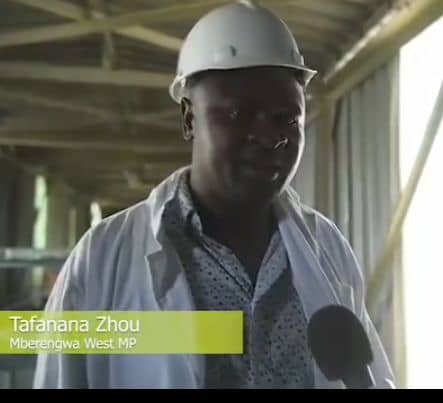
Mberengwa West Member of Parliament, Tafanana Zhou, has voiced strong optimism that the large-scale lithium mining underway at the Sandawana Mine will be a catalyst for significant development and improved livelihoods across the district, which has historically been one of the most underdeveloped in the country.
Speaking on the recent developments, Zhou has highlighted the positive impacts already being delivered by Kuvimba Mining House (KMH), the state-owned entity that now controls the mine.
He pointed to the creation of over a thousand jobs for locals, a crucial injection of employment into the rural economy.
“With the set-up of Sandawana Mine and the commencement of the mining development by Kuvimba Mining House, more than a thousand locals were recruited to work at the mine,” Zhou stated in an interview with EnviroPress.
He also emphasized that local businesses are beginning to see benefits by supplying goods and services to the mining operation.
Infrastructure, a major challenge in the district’s rugged terrain, is another area where the MP sees progress.
According to Zhou, KMH has already rehabilitated and widened over 15 kilometers of crucial roadways, improving accessibility.
“I will start with the road infrastructure development that has made the area increasingly accessible,” he noted.
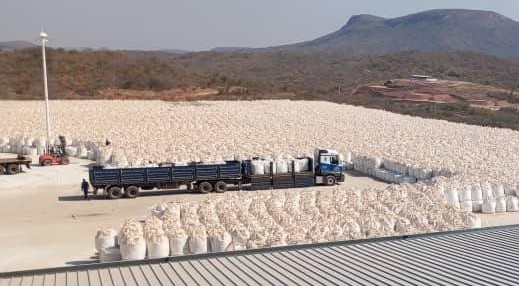
The Sandawana Mine, once famous for its high-quality emeralds, is now the center of a lithium boom.
KMH is developing it into what it calls a “world-class, high-grade lithium deposit,” with estimates suggesting a resource of over 100 million tonnes.
This has positioned Mberengwa as a key player in Zimbabwe’s ambition to become a major force in the global lithium market, driven by the demand for electric vehicle batteries.
However, this optimism is not universally shared within the district. Many residents, local councillors, and civil society groups have expressed deep-seated frustration, arguing that the benefits of the mineral wealth are not reaching the broader community.
Villagers report that initial promises of development have yet to materialize. Concerns are widespread over environmental degradation, with complaints of dust from trucks and mining operations polluting the air, and fears of water source contamination.
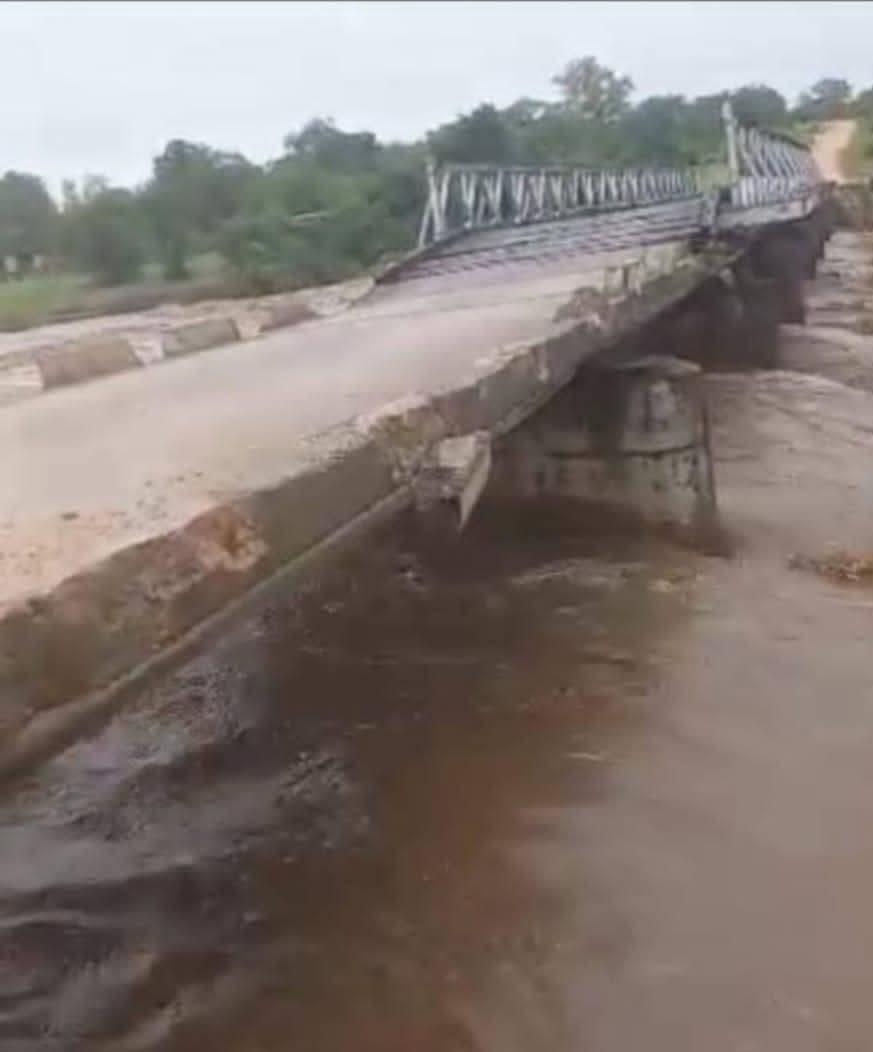
The influx of heavy-duty trucks is also blamed for damaging the already poor road network, contrary to the localized rehabilitation efforts.
Furthermore, there is a growing sentiment that community engagement has been insufficient and that the benefits are being disproportionately directed towards traditional leaders rather than essential public services.
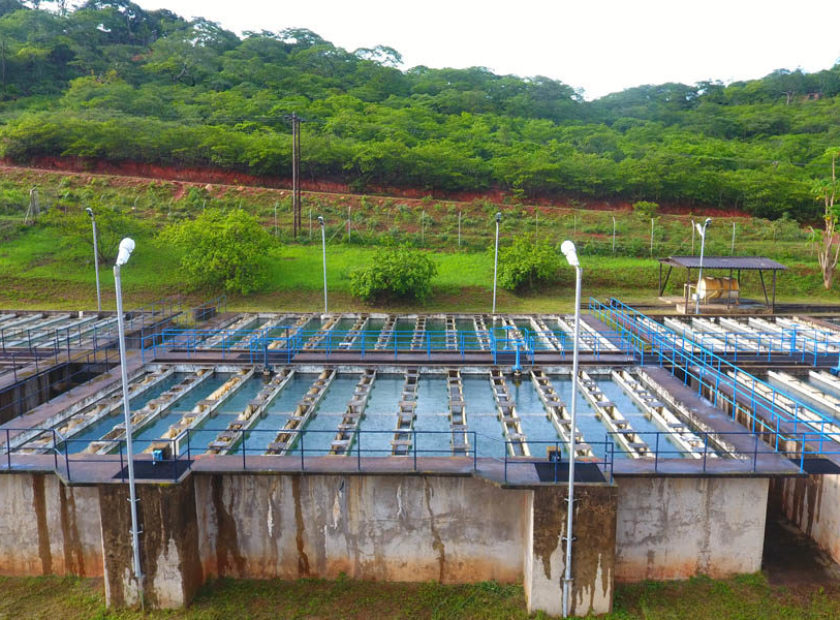
“Kuvimba should embark on more meaningful Corporate Social Responsibility such as perhaps equipping our clinics, and schools, ensuring communities have clean running water, and rehabilitation of bridges,” one resident commented.
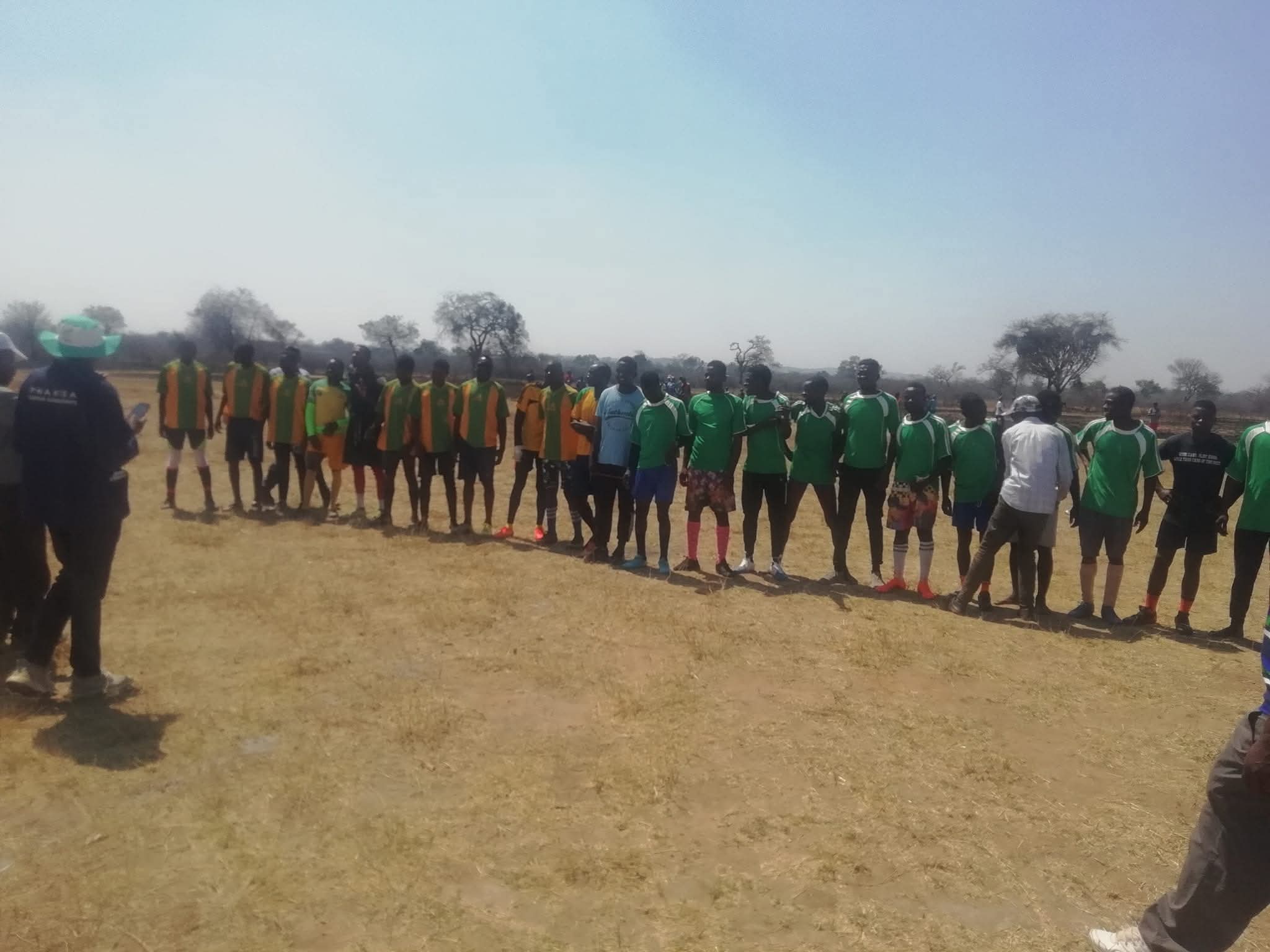
The social fabric of the community is also under strain, with reports of an increase in teenage pregnancies and social ills linked to the influx of mine workers.