
Tiyani Hahlani
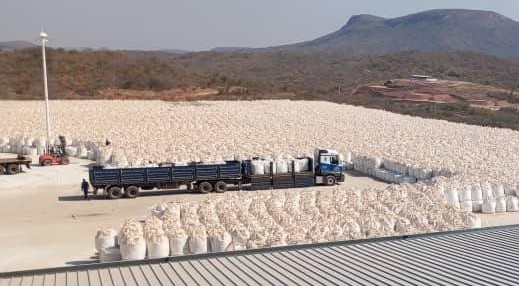
Masvingo province is emerging as Zimbabwe’s agro-economic powerhouse after defying climate shocks to post a record 34 percent surplus in traditional grains and nearly 40 percent of the country’s sesame output last season.
The success was announced on September 2 during the launch of the 2025/26 Summer Cropping Plan; a programme developed in partnership with CARE International Zimbabwe to harness natural resources and build climate-resilient agriculture.
Masvingo Provincial Affairs and Devolution Permanent Secretary, Dr. Addmore Pazvakavambwa, said the province’s resilience amid a devastating El Niño-induced drought demonstrates its potential to thrive in a changing climate.
“As a province, we want to change the narrative, and the key driver is retail and trade followed by agriculture. With 54 percent of the country’s dam water, fertile soils, and a favourable climate, Masvingo has all it takes to be an agro-economy,” he said.
While much of the country struggled with failed crops, six of Masvingo’s seven districts received normal to above-normal rainfall. This boosted dam levels, with major reservoirs such as Tugwi Mukosi and Mutirikwi spilling over 80 percent capacity, creating vital water security for future cropping seasons.
The conditions allowed Masvingo to achieve bumper harvests of drought-tolerant traditional grains and climate-smart cash crops like sesame, proving the importance of adaptation strategies in ensuring food security.
Dr. Pazvakavambwa also praised CARE International’s work in strengthening market systems, managing water and natural resources, and supporting women, youth, and marginalized communities in vulnerable districts such as Bikita, Chiredzi, Chivi, and Mwenezi.
“We applaud CARE International’s efforts in climate adaptation and resource management, which are essential for building a resilient and profitable agricultural sector,” he said.
The 2025/26 cropping plan signals a shift from subsistence to commercial agriculture, with climate adaptation at its core.