
Tiyani Hahlani
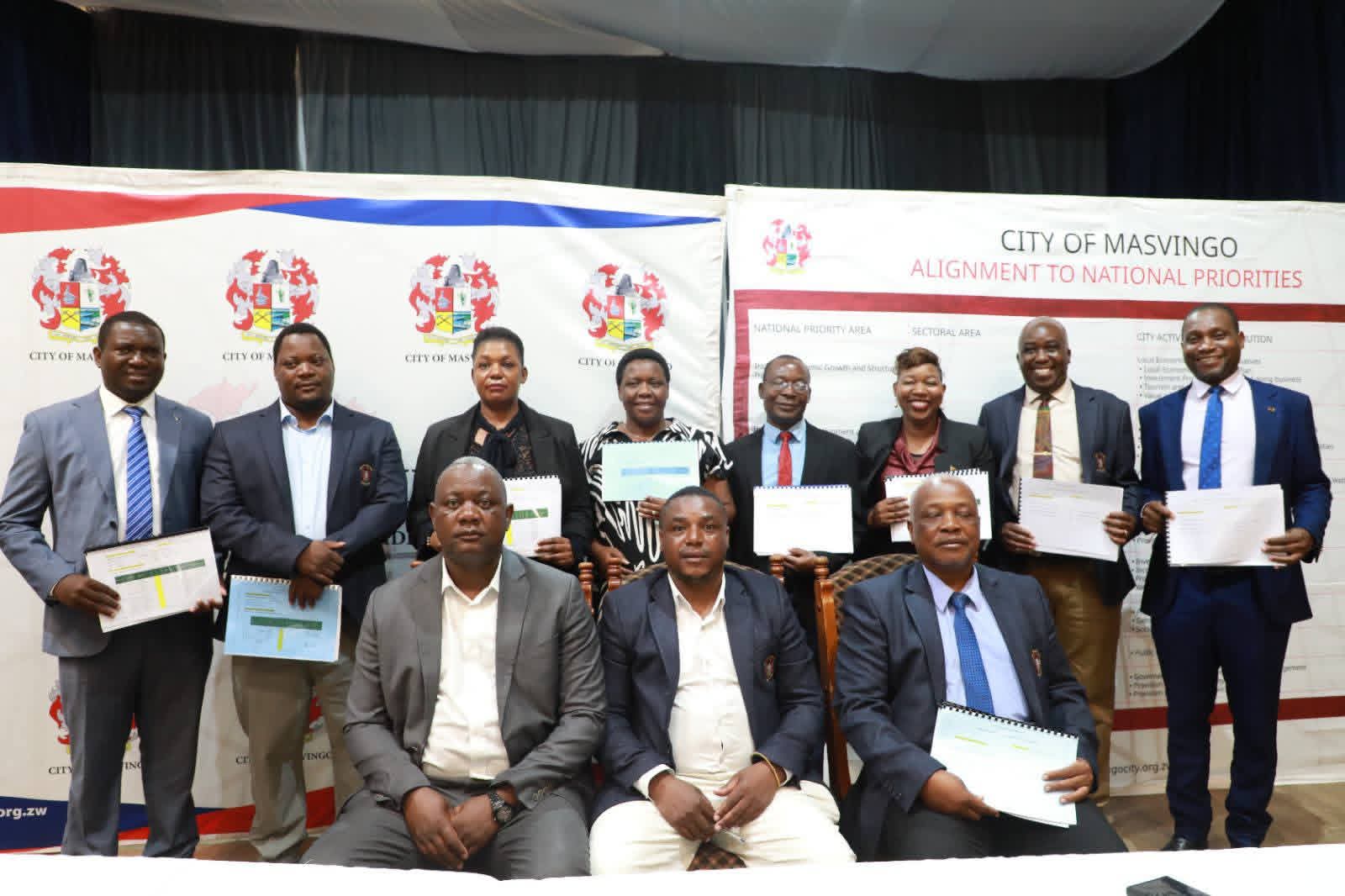
In a landmark decision that could transform how the city handles its garbage, the Health, Housing and Environmental Services Committee has unanimously endorsed a plan to abandon the traditional “take-make-dispose” model and transition to a fully integrated, circular waste management system.
A circular waste management system is a closed-loop process that aims to minimize waste by keeping resources in use for as long as possible through methods like reducing, reusing, recycling, and recovering energy from waste.
The move, which was recommended for full Council approval following a report from the Director of Health Services on September 22, aims to prioritize waste prevention, boost recycling, and significantly reduce the environmental impact of landfill waste.
This strategic shift is designed to align the city’s practices with Zimbabwe’s national policy and key United Nations Sustainable Development Goals (SDGs) that is goals 11, 12 and 13.
According to the Health, Housing and Environmental services committee minutes in possession of EnviroPress, the committee agreed for a transition change from the traditional way of collecting waste to an integrated management system.
“The Committee has agreed that our city must transition from a Linear Waste Management model to an Integrated Solid Waste Management and circular economy,” reads the minutes.
This means a fundamental change from simply collecting and dumping trash to a system where waste is seen as a resource.
The Director’s report, which covered everything from refuse truck operations and collection statistics to pest control and health club activities, laid the groundwork for this ambitious change.
It outlined short-term, medium-term, and long-term strategies to implement the new system.
The ultimate goal is to draft and adopt a formal Integrated Sustainable Waste Management Policy.
The new approach will focus on waste prevention and reduction, coupled with policies to make it easier for residents to separate recyclables and garden waste at the source.
This will be supported by investments in material recovery to recycle and compost goods, and will ultimately ensure that any remaining waste is disposed of in the most environmentally sound way possible.
By embracing this “circular economy” model, the city commits to keeping materials in use for as long as possible and minimizing landfill waste.
If adopted, the city will begin the process of drafting the formal policy, a move that environmental advocates have long called for and one that positions the city as a leader in sustainable urban management in Zimbabwe.