Tiyani Hahlani
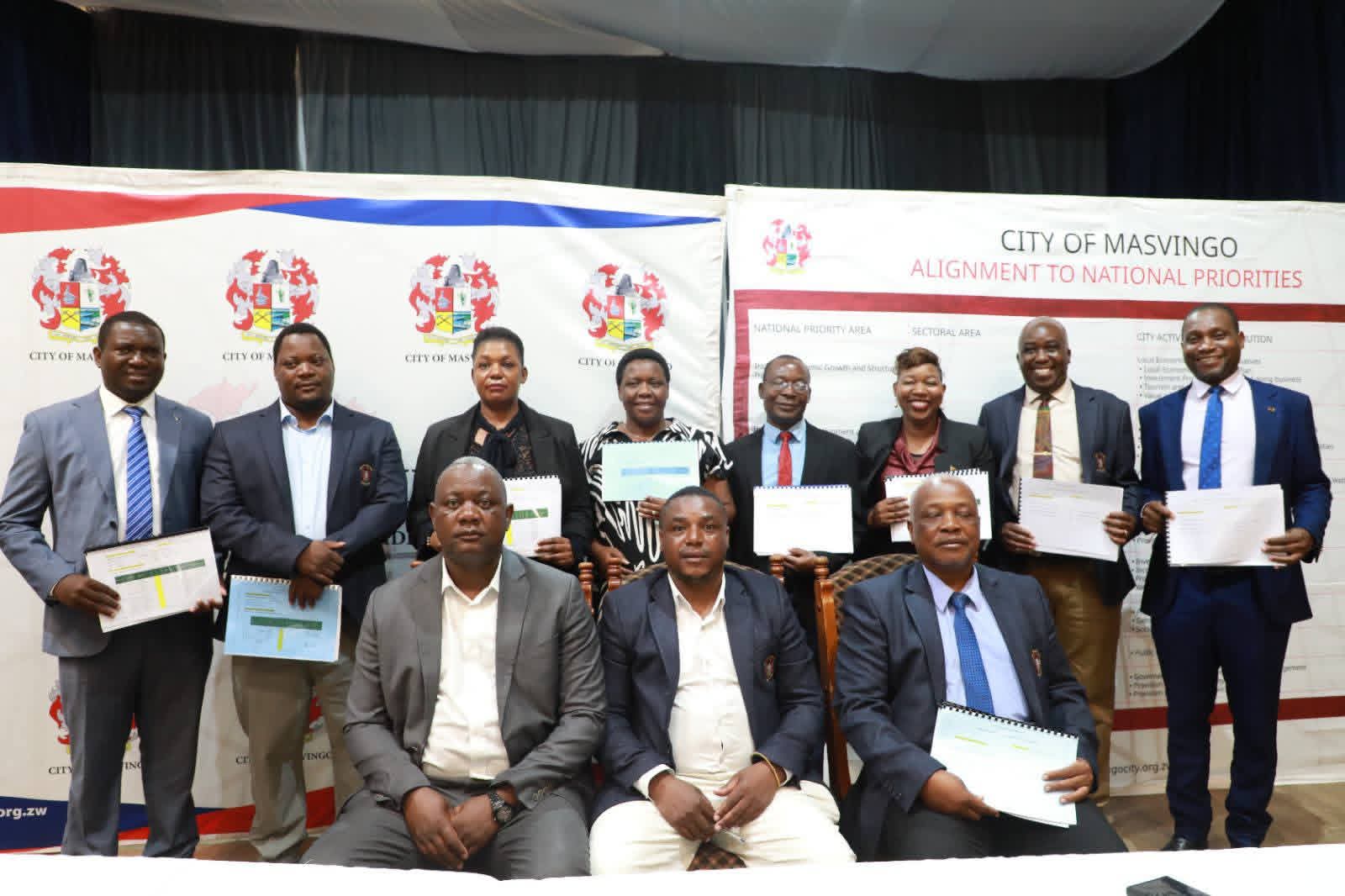
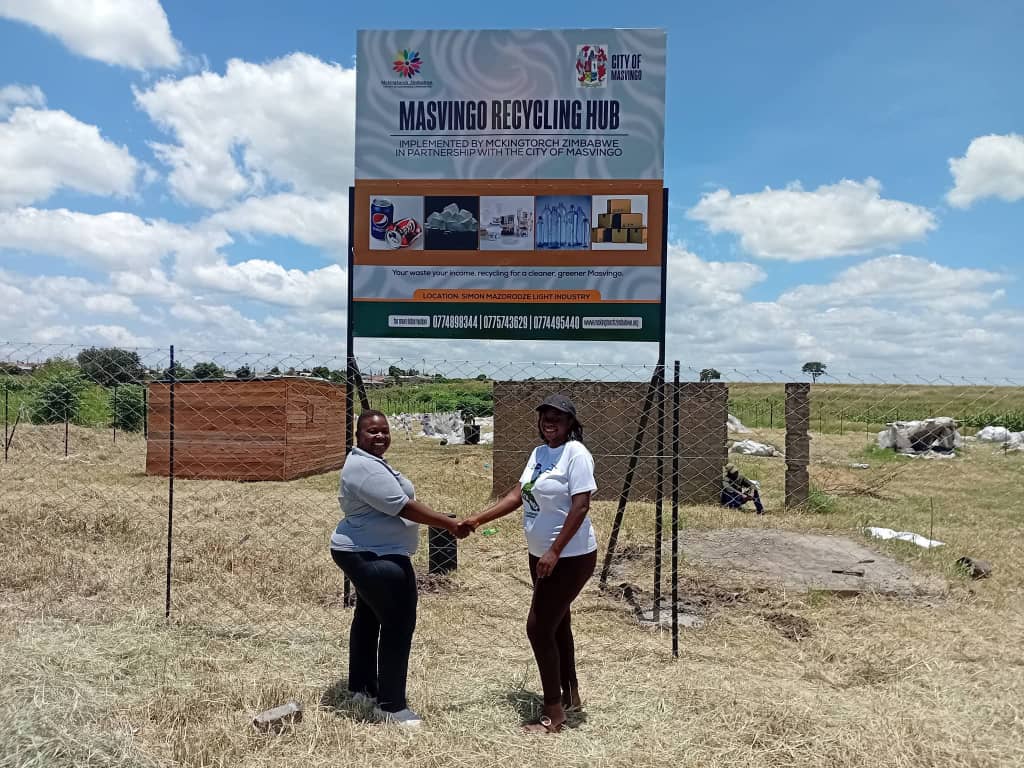
The City of Masvingo has partnered McKingtorch Zimbabwe to establish the Masvingo Recycling Hub, an initiative aimed at improving waste management and promoting resource recovery.
The partnership signals a shift by the local authority from conventional waste collection and disposal towards an integrated system that incorporates recycling, environmental protection, and community participation.
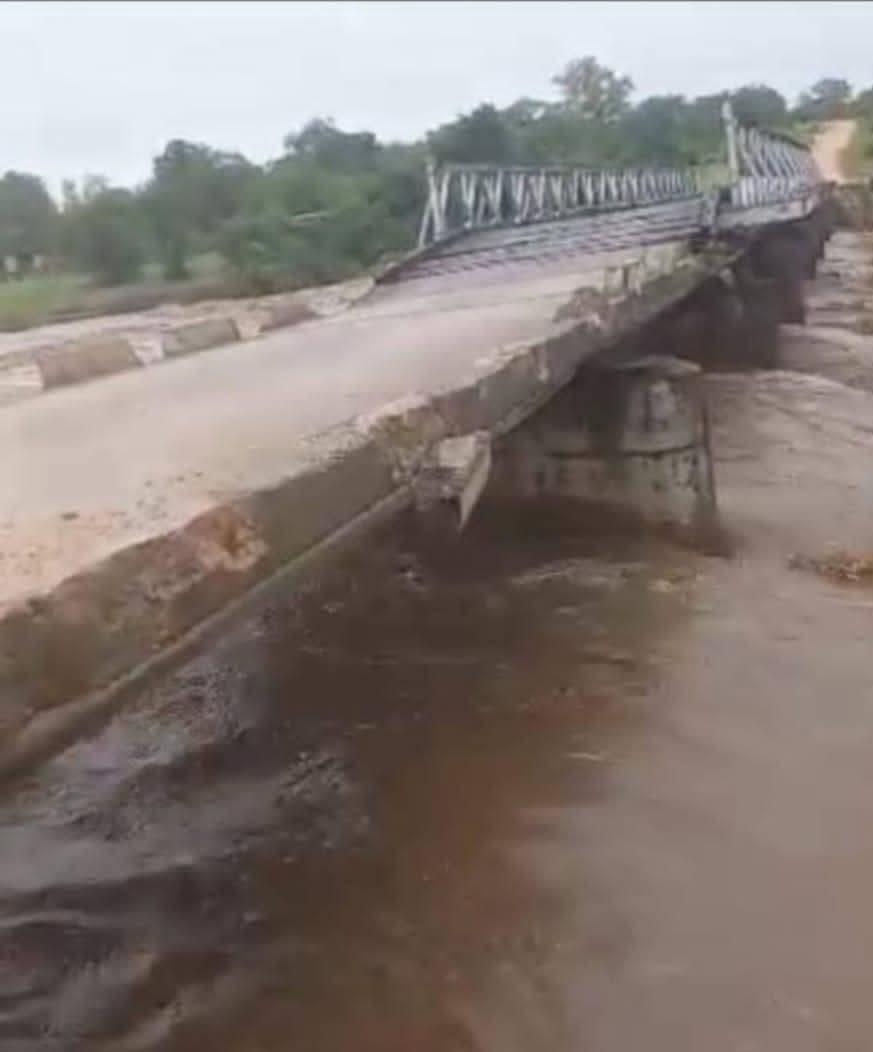
City of Masvingo Public Relations Officer Ashleigh Jinjika said the collaboration was motivated by persistent waste management challenges, which have contributed to blocked drains and increased flooding risks during the rainy season.
“The city is moving from reactive waste disposal to a circular economy approach. McKingtorch brings technical expertise in recycling systems and value-chain development that complements existing council infrastructure,” Jinjika said.
A key component of the initiative is the introduction of waste separation at source. Households will be required to sort waste into biodegradable materials, recyclables—such as plastics, paper, metals and glass—and residual non-recyclable waste.
Implementation will follow a phased approach, beginning with public education and awareness campaigns, followed by pilot projects in selected wards, before city-wide rollout.
The council said colour-coded bins, low-cost household containers, and partnerships with community groups and the private sector will be used to support participation, taking into account financial constraints.
McKingtorch was selected based on its experience in recycling technologies, community-based waste management models, market linkages for recyclable materials, and environmental compliance. The company will operate a hybrid model that combines technical systems with community engagement and economic opportunities.
According to the council, the recycling hub is expected to reduce the volume of waste entering storm-water drains and disposal sites, addressing pollution and illegal dumping. Diverting recyclable materials from the waste stream is also expected to ease pressure on landfill sites.
The initiative is projected to create employment opportunities, including waste sorting, recycling hub operations, and small-scale recycling enterprises. Residents will be able to participate by separating waste at household level, selling recyclables to the hub, and joining community-based recycling cooperatives.
By the end of 2026, the City of Masvingo aims to divert between 30 and 40 percent of recyclable waste from disposal sites, achieve active waste separation in at least 50 percent of households, and reduce incidents of blocked drains and illegal dumping.
The council also plans to incorporate recycling into municipal by-laws and urban planning frameworks, while strengthening collaboration with private sector and community stakeholders.