EnviroPress Reporter
MASVINGO — At Bikita Minerals, the lithium boom is no longer just about digging ore out of the ground. New processing plants, a planned US$500 million lithium sulphate project and a rare-minerals operation are turning the mine into an increasingly sophisticated industrial complex.
But a harder question remains: how much of the wealth created by Masvingo’s lithium is actually staying in the province?
The answer is difficult to quantify because neither Bikita Minerals nor public authorities disclose a comprehensive figure showing the share of the mine’s revenue retained locally through wages, procurement, taxes, contractors and community investment.
What is clear is that value addition at the mine has increased significantly.
Since Chinese company Sinomine Resource Group acquired Bikita Minerals in 2022, the company has invested about US$383 million in expanding mining and processing capacity, according to The Herald.
The mine now produces spodumene and petalite concentrates and has added pollucite processing, extracting cesium from the ore.
The next step is potentially more significant. Bikita Minerals says it has secured US$500 million to build a lithium sulphate plant, with the first 60,000-tonne-per-year phase targeted for commissioning in the second quarter of 2027 and total capacity expected to reach 125,000 tonnes annually in 2028.
Lithium sulphate is further up the battery-materials value chain than the concentrates currently exported.
That matters for Masvingo because Zimbabwe’s lithium boom has historically sent much of the concentrate abroad for further processing.
In 2025, the country exported 1.128 million tonnes of spodumene concentrate worth about US$513.8 million, with most of the material destined for China for further refinement.
Yet value addition inside the mine does not automatically mean value retention in Bikita.
Local businesses have complained that procurement has historically favoured suppliers from outside the district, including Harare and China.
In 2025, Bikita Minerals announced a locally based procurement policy and said it had begun sourcing some materials and services within the district.
The employment footprint is substantial. Rest of World reported in 2025 that Bikita Minerals employed about 1,460 people, with another 1,400 working for contractors.
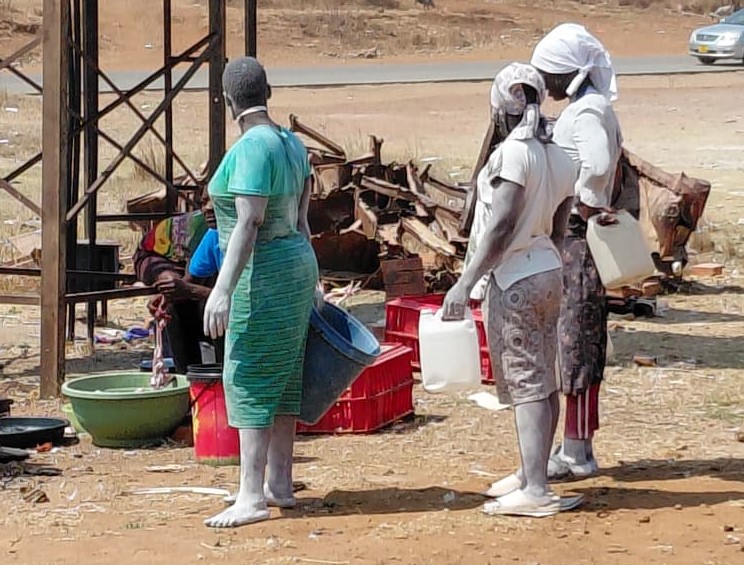
But the same investigation documented villagers losing access to homes, grazing land and farming areas as the mine expanded.
Community investment has also become visible. The company has funded boreholes and infrastructure projects, while a US$1 million clinic constructed by Sinomine was reported to be serving more than 5,000 people in Bikita and Gutu.
Still, questions about distribution remain. A 2025 study on Bikita’s mining community reported that the Rural District Council received unit tax but no mining royalties, while payments averaged about US$100,000 in 2023.
The study also found limited mechanisms for communities to participate in downstream mineral value chains.
For Masvingo, therefore, the lithium question is shifting. It is no longer simply howmuch lithium is being mined?
It is how much of the jobs, contracts, processing, taxes, technology and industrial opportunity created by that lithium remains in the province?
The planned sulphate plant could substantially increase the answer. But until local procurement, fiscal flows, employment, community benefits and downstream industries are transparently measured, the true value staying in Masvingo remains an open — and increasingly important — question.