Trymore Tagwirei
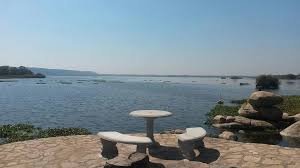
Pollution at Lake Chivero has plunged several recreation and hospitality businesses into turmoil, with operators counting heavy losses since the lake was declared a national disaster last year.
The contamination, caused mainly by the discharge of raw sewage from the City of Harare and Chitungwiza, has made the once-vibrant tourist hub unappealing to visitors, crippling businesses that rely on the lake for survival.
Kuimba Shiri Bird Sanctuary owner Garry Stafford says his enterprise has been the hardest hit, as visitors have stopped coming due to the foul smell and health fears linked to the polluted water.
“Since the pollution disaster started last year, we are losing about US$60 000 every month because people are no longer coming to our recreational park.
We have stopped fishing and boat cruising because no one wants to go into a polluted lake.
Even our restaurant business is suffering since people don’t want to eat in a place where they can smell sewage,” he said.
Stafford added that the sanctuary depends on water from Lake Chivero, which continues to deteriorate as the City of Harare fails to stop discharging raw sewage into the lake.
“The pollution has worsened, and the city authorities are not addressing the issue. The water has become a health hazard,” he said.
In response, Stafford has sued the City of Harare for US$86 000, demanding compensation for business losses and an immediate end to the sewage discharges.
However, despite repeated penalties and environmental protection orders, the City of Harare has continued releasing untreated effluent into Lake Chivero, the capital’s main water source.
According to Combined Harare Residents Association (CHRA) Programmes Manager, Reuben Akili, both Harare and Chitungwiza councils are responsible for the ongoing pollution.
“The City of Harare discharges between 40 to 50 megalitres of raw sewage daily into Lake Chivero, while Chitungwiza releases around 30 to 40 megalitres into the Manyame River, which feeds the lake,” Akili said.
The Environmental Management Agency (EMA) recently took the City of Harare to the High Court, seeking an order compelling it to repair its failing water infrastructure.
EMA says it has issued nine environmental tickets and several protection orders to the municipality since 2021, the latest being on October 3, 2025.
Last year, Lake Chivero was officially declared an environmental disaster zone after several aquatic and wild animals died due to toxic cyanobacteria (blue-green algae) blooms caused by excessive pollution.
With the situation still unresolved, tourism operators fear their businesses might never recover.