Rutendo Chirume
Bikita District Development Coordinator (DDC), Benard Hadzirabwi, has expressed concern over the widespread lack of knowledge about lithium and its global significance, warning that this ignorance is leaving communities vulnerable and disempowered in the face of growing mining activities.
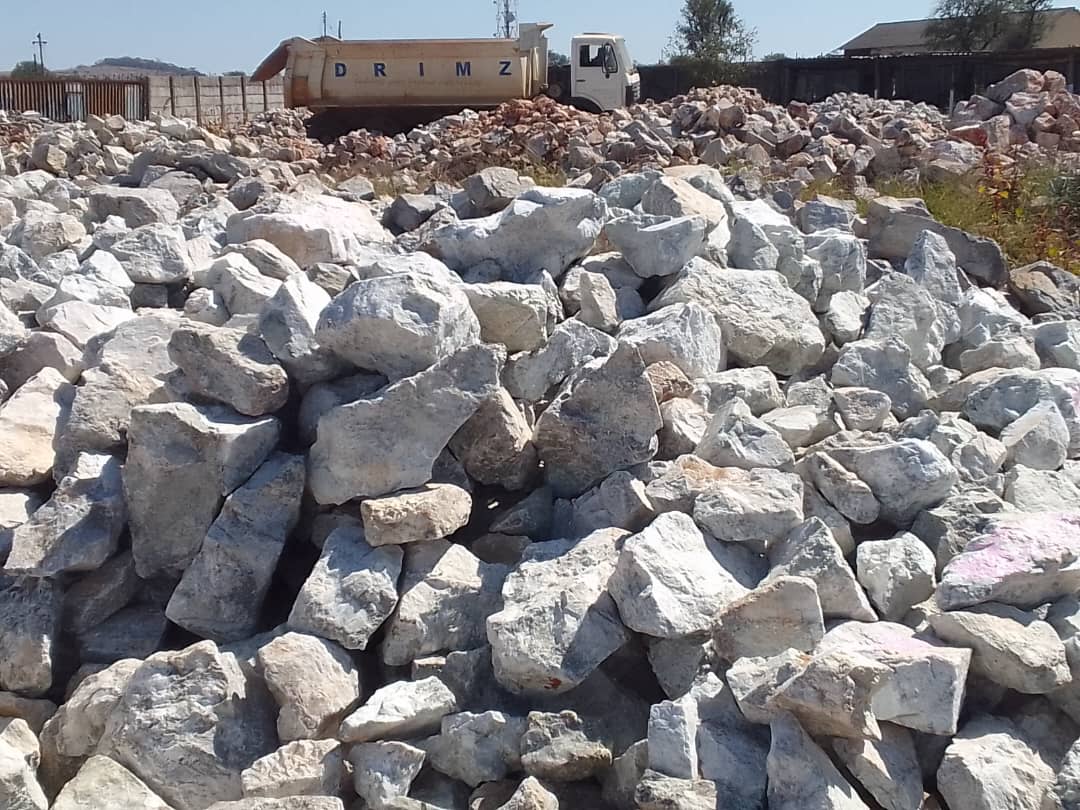
Speaking at a community engagement meeting in Bikita, Hadzirabwi noted that while the district sits on vast lithium deposits now drawing international attention, most locals still lack basic understanding of what lithium is, how it is mined, and what it is worth on the global market.
“This lack of understanding is costing our communities,” said Hadzirabwi. “People are sitting on resources that are shaping the future of global energy and technology, but they are not demanding fair benefits or transparency from the companies exploiting these minerals.”
He said communities were unable to hold mining companies accountable or push for meaningful development projects — such as schools, clinics, and water infrastructure — because they were unaware of the true value of the lithium beneath their feet.
“There’s a huge knowledge gap, and that gap is being exploited,” Hadzirabwi said. “Without awareness, locals cannot effectively engage in negotiations or demand their rightful share.”
The DDC called for urgent education and awareness campaigns to empower villagers with information on the lithium value chain, environmental impacts, and their constitutional rights under Section 13(4), which mandates that communities benefit from resources in their areas.
“Information is power. If we want equitable development and sustainable mining, we must start by educating our people,” he stressed.
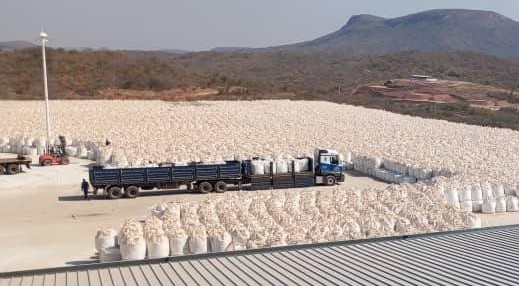
Zimbabwe is one of Africa’s largest lithium producers, and Bikita is home to one of the oldest lithium operations on the continent. With increased international interest in the mineral due to its role in powering electric vehicles and green energy systems, demand is soaring — yet benefits to local communities remain minimal.
Local leaders and civil society actors have echoed the DDC’s call, urging the government, mining companies, and NGOs to invest in community literacy around mineral governance, so citizens can participate meaningfully in decisions that affect their land and future.