Rutendo Chirume
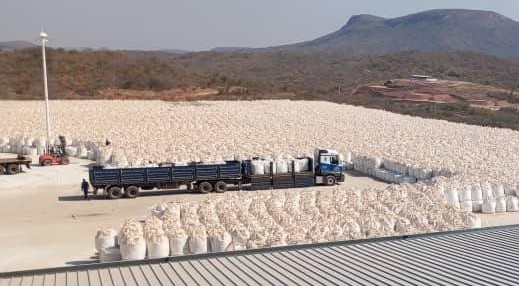
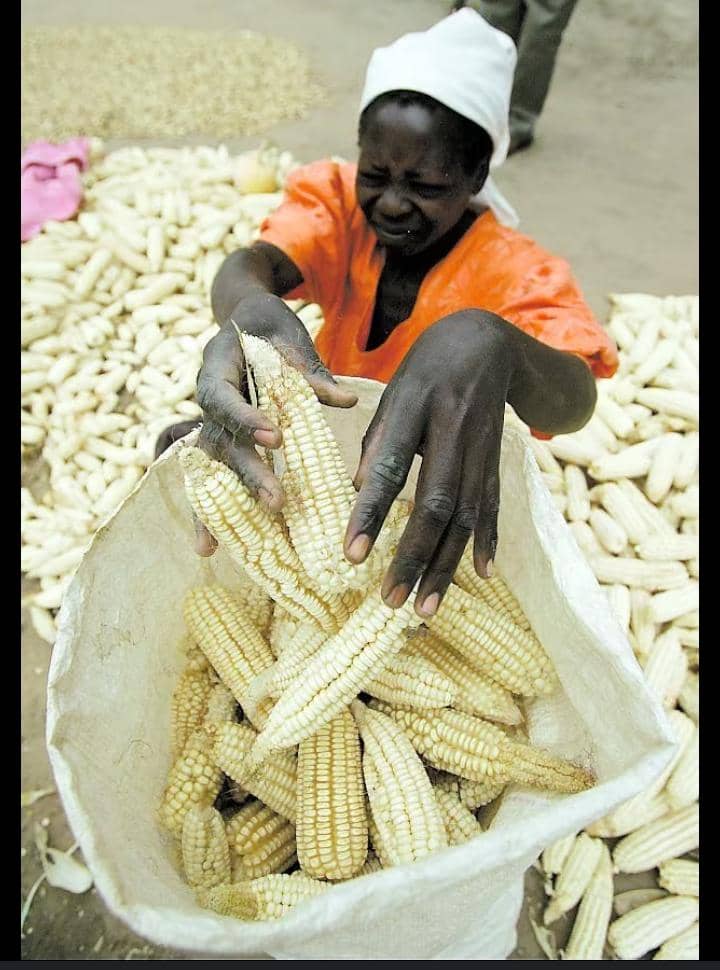
Deputy minister of Agriculture, Land, Water and Rural Development, Davis Marapira, has called on communities to support the household grain collection initiative aimed at strengthening Zimbabwe’s strategic reserves and reducing reliance on costly imports.
In an interview with EnviroPress, Marapira said the initiative would mainly target households that have benefited from the Presidential Input Scheme and those that received government food aid.
“This initiative is rooted in preparedness. By mobilising a small contribution like 10 kilogrammes per household, we can collectively fortify our strategic grain reserve, ensuring that no Zimbabwean family is caught off-guard when the rains fail,” he said.
He stressed that the drive was not intended to deprive households of their produce, but to build resilience in the face of climate shocks and fluctuating harvests.
“This initiative is not to rob anyone. It is about building a resilient Zimbabwe where households stand ready, our reserves are strong, and our agricultural sector can withstand shocks,” Marapira added.
The government hopes the programme will boost food security and enhance national preparedness for future droughts.
He also said beyond grain stocks, Zimbabwe is deepening irrigation infrastructure, promoting drought tolerant crops, and revitalising climate-smart agriculture to anchor long-term food self-sufficiency.
Zimbabwe Farmers Union (ZFU) president Paul Zakariya welcomed the move noting that it will help small holder farmers access grain markets as well as align with broader government efforts to revitalise the farming sector.
“A strong reserve ensures stability, especially during lean seasons when markets are volatile and vulnerable households cannot afford high food prices,” said Zakariya.
However, this programme is met with cautious skepticism. The Zimbabwe Peace Project (ZPP) in its July monitoring report indicated an accountability gap during the grain collection process.
“In some areas it is said the grain is being taken to GMB, while some say it is for the President’s granary or Zunde raMambo. This has left many people wondering where their grain is going and for what purpose.
“There has not been effective communication on this front and we hope the government dispatches a team to educate people so that when they participate, they know exactly what they are participating in.
“This information gap creates a lot of confusion and exposes the whole process to manipulation,” said ZPP spokesperson Kudakwashe Matambo.