Tiyani Hahlani
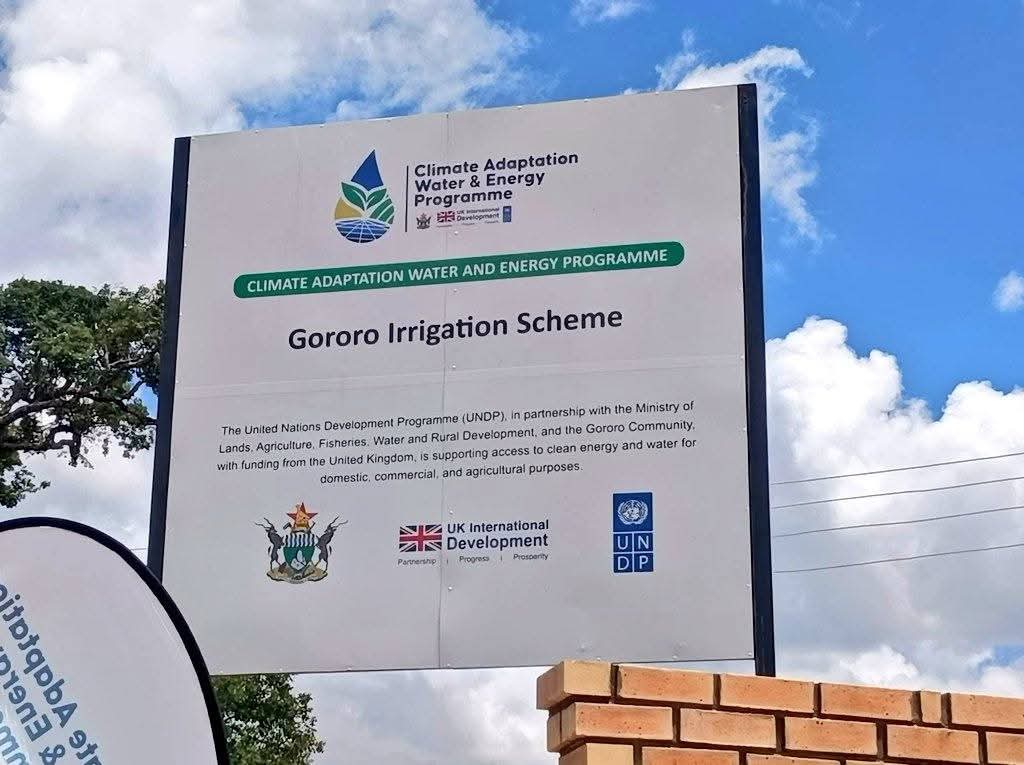
The Gororo community in Chivi is implementing a series of clean energy, agricultural and water infrastructure projects under a climate resilience partnership involving the British Government, the United Nations Development Programme (UNDP) and the Government of Zimbabwe.
The initiatives are aligned with Zimbabwe’s Rural Development 8.0 framework, which promotes value addition, rural industrialisation and climate-smart production systems.
A key component of the programme is the installation of 30 household biogas digesters designed to reduce reliance on firewood. The systems convert livestock manure into methane gas for cooking and produce organic slurry that can be used as fertiliser.
Speaking at the commissioning of the projects, British Embassy Head of Human Development and Inclusion, Sam Thompson, said the initiative demonstrates the role of international cooperation in supporting rural communities to respond to climate-related challenges.
“The commissioning of the Gororo initiatives reflects collaboration between the British Government, the Government of Zimbabwe and the community in addressing climate change while supporting livelihoods,” said Thompson.
Beneficiaries reported reduced time spent collecting firewood and improved access to cooking fuel. One participant said the organic slurry produced by the digesters has contributed to improved soil fertility and reduced reliance on chemical fertilisers.
Complementing the biogas initiative is a 50-hectare solar-powered irrigation scheme benefiting 72 farmers — 42 men and 30 women. The farmers are producing maize, wheat, sugar beans and chilli throughout the year.
According to project representatives, the irrigation scheme has generated more than US$36,000 in crop sales to date, contributing to household incomes and local food supplies.
Secretary of the Gororo Irrigation Scheme, Nicholas Mairo, said access to irrigation has enabled farmers to move from rain-fed production to more consistent output.
“With this irrigation, we are producing throughout the year and focusing more on markets. We are also looking at expanding into value addition,” said Mairo.
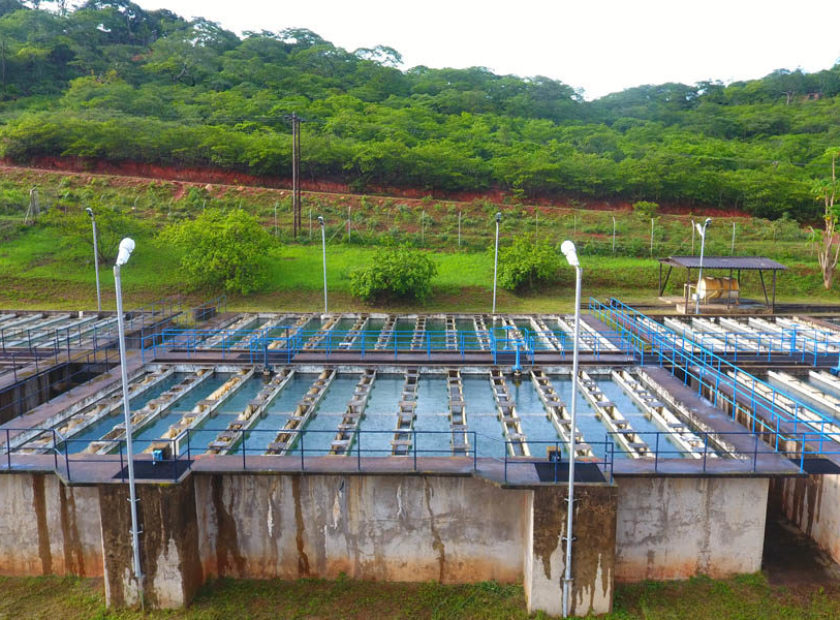
The programme also includes the installation of 18 piped water points in Gororo and Manama. Project data indicates that average walking distances to water sources have been reduced from approximately three kilometres to about 500 metres, improving access for households, schools and clinics.
In addition, 35 Village Savings and Lending Groups have been established with 491 trained members. A total of 125 youths have received technical skills training, while 292 participants have undergone business and enterprise development training.
Project partners stated that the integrated approach — combining renewable energy, irrigation, water access and enterprise development — was intended to strengthen local resilience to climate variability while promoting rural economic activity.