EnviroPress Reporter
More than 350 smallholder farmers in Zimbabwe are poised to break into global markets thanks to a new climate-resilient agriculture initiative that is linking irrigation schemes with private sector buyers, financiers and technology providers.
The programme, supported by the Government of Zimbabwe, the Green Climate Fund (GCF) and the United Nations Development Programme (UNDP), is rolling out in Manicaland, Masvingo and Matabeleland South.
It forms part of the seven-year Climate Resilience Livelihoods (CRL) project, which is working to help more than 2.3 million people adapt to the realities of climate change.
At the heart of the project is irrigation, seen as a cornerstone of climate-smart agriculture in a country where droughts and erratic rainfall continue to threaten food production.
Farmers are being brought together with buyers, input suppliers, financial institutions and technology providers through business-to-farmer dialogues and practical learning sessions in the field.
“These dialogues are a vital step in connecting smallholder irrigation farmers with private sector buyers, financial institutions and input suppliers.
“By linking production with profitable markets, we are ensuring that farmers can sustainably increase yields, incomes and resilience,” said CRL project manager Rungano Benza.
The initiative introduces farmers to technologies such as solar-powered irrigation systems, drip irrigation and soil and water conservation methods designed to make farming more sustainable in the face of climate stress.
Look-and-learn field days are giving farmers a chance to see these innovations in practice, while private sector players showcase solutions that can strengthen value chains.
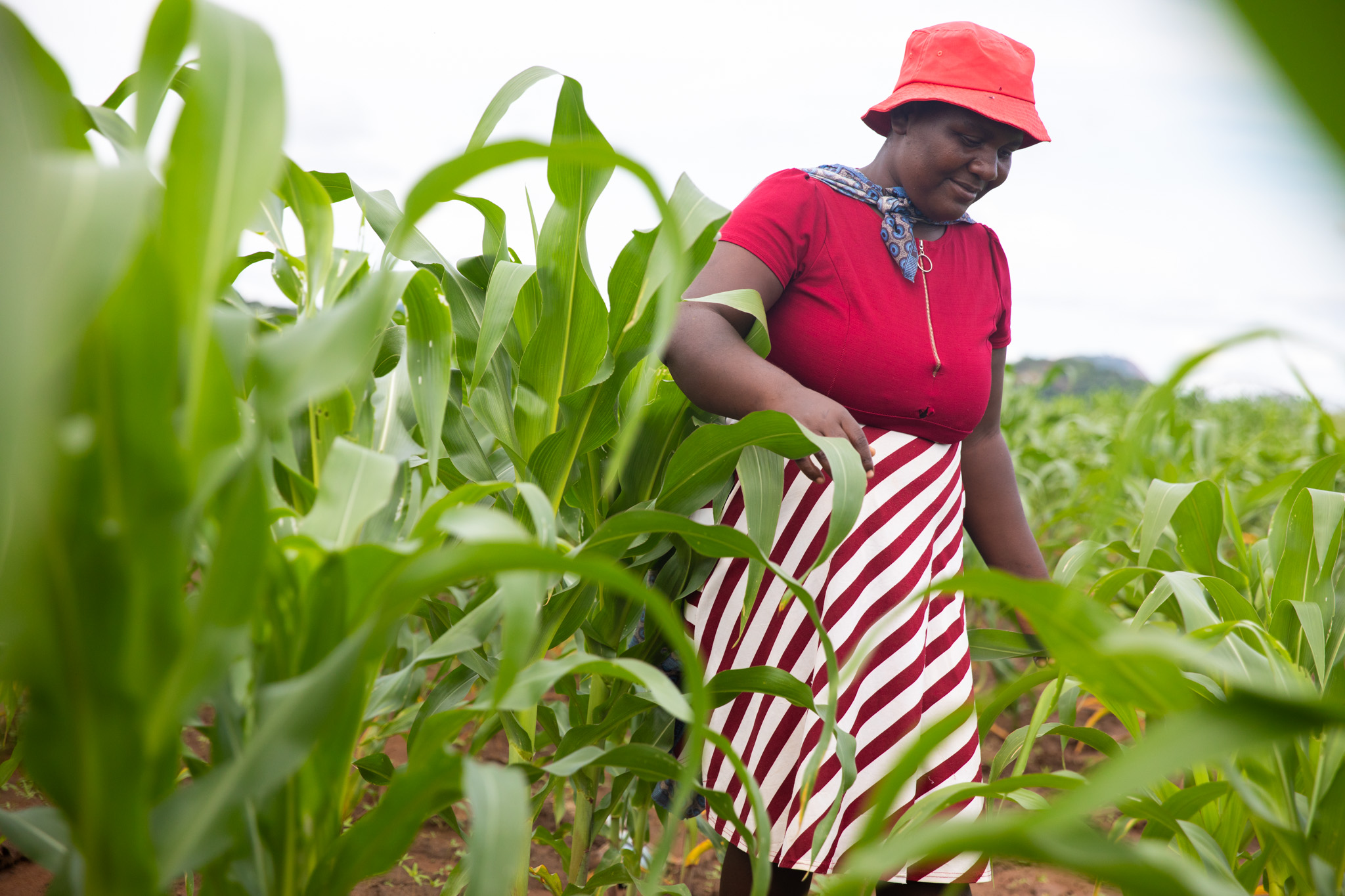
With women making up a large share of Zimbabwe’s rural workforce, the CRL project is making deliberate efforts to ensure that they have equal access to new technologies, financing opportunities and profitable markets.
Across the three provinces, more than 350 participants—including irrigation management committees, extension officers, local leaders, and private sector representatives such as insurers, banks, microfinance institutions, off-takers, transporters and climate-smart technology companies—are expected to take part.
This cross-cutting approach is designed to open doors not only for farmers but also for long-term business partnerships that can stimulate local economies.
Smallholder farmers will gain access to more profitable markets, adopt efficient irrigation practices, and embrace climate-smart technologies that boost yields and incomes.
Communities will see improvements in food and water security, while new opportunities are expected to emerge in job creation, value chain integration, and local enterprise development.
The programme aligns with Zimbabwe’s Vision 2030 and the National Development Strategy 1, both of which emphasize agricultural productivity, resilient livelihoods and inclusive economic growth.
At the same time, it supports progress toward the Sustainable Development Goals (SDGs), particularly those on food security, gender equality and climate action.
By marrying modern technology with market access and community resilience, the initiative is positioning Zimbabwe’s smallholder farmers not just to survive climate change, but to thrive in global markets.