Rutendo Chirume
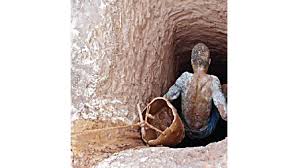
Once celebrated for having the highest literacy rate in Africa, Zimbabwe now faces a devastating reversal of fortune. A toxic combination of economic collapse, climate shocks, and a failing education system is driving school children out of their classrooms and into hazardous mining pits.
The scale of the crisis is stark. A 2025 national survey by Humanium found that 5.4 percent of children under 16 were working in mining and quarrying.
This aligns with a 2024 joint report from UNICEF and the International Labour Organization (ILO), which estimated that 13 percent of Zimbabwean children aged five to 14 are engaged in child labour, with mining among the most hazardous sectors.
The situation is particularly acute in areas like Mberengwa.
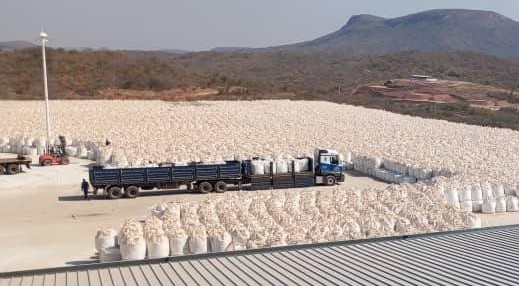
“In Mberengwa there are a lot of mining activities, among them gold panning, lithium, and chrome.
“As much a blessing it may sound, it has brought havoc and confusion to many youths and school children who have joined illegal mining as a way to escape poverty,” said Dr Takavafira Zhou, president of the Progressive Teachers Union of Zimbabwe (PTUZ).
Dr Zhou described the exodus as a national tragedy.
“Our children are no longer in classrooms; they are in gold pits, gambling with their lives because they see no future in education.
“Parents cannot pay fees, teachers are destitute, and even graduates roam the streets unemployed. This is the collapse of our education system, our economy, and our standards of living all at once,” said Dr Zhou.
Shuvai Matava, the Mberengwa District Officer for the Ministry of Youth Empowerment, Development and Vocational Training, said a recent survey revealed a “worrisome” number of children dropping out of school for the mines.
While a specific database was unavailable due to technical issues, Matava acknowledged the trend.
“Boys are going into illegal gold mining and chrome whilst girls are into sex work,” said Matava.
Authorities are attempting interventions, such as the Presidential Borehole Drilling Scheme, aimed at reviving small-scale farming.
“This will take them out of the mines while giving them life-changing opportunities,” Matava explained, though she admitted progress is slow due to constrained resources.
The statistical evidence of an educational collapse is overwhelming. According to the 2024 Zimbabwe Livelihoods Assessment Committee (ZIMLAC) report, 22.3 percent of school-going children were out of school.
The Ministry of Primary and Secondary Education revealed that secondary school dropouts surged from 32 700 in 2020 to 50 744 in 2022. Furthermore, a UNICEF Humanitarian Appeal recorded 49 555 school dropouts in 2024, with rural provinces being hardest hit.
Education expert Peter Makwanya issued a grave warning, calling for immediate government action.
“Unless the government intervenes to restore schools, provide jobs, and protect families from hunger, Zimbabwe is mortgaging its future.
“We are raising a generation without hope, trapped between poverty and peril,” said Makwanya.