EnviroPress Reporter
As Zimbabwe pushes forward with its lithium-led industrial revolution, environmental experts are warning of the dangerous by-products associated with hard rock lithium mining—an issue that could undermine the country’s green energy ambitions if left unaddressed.
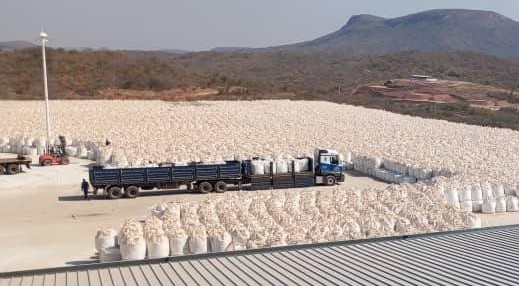
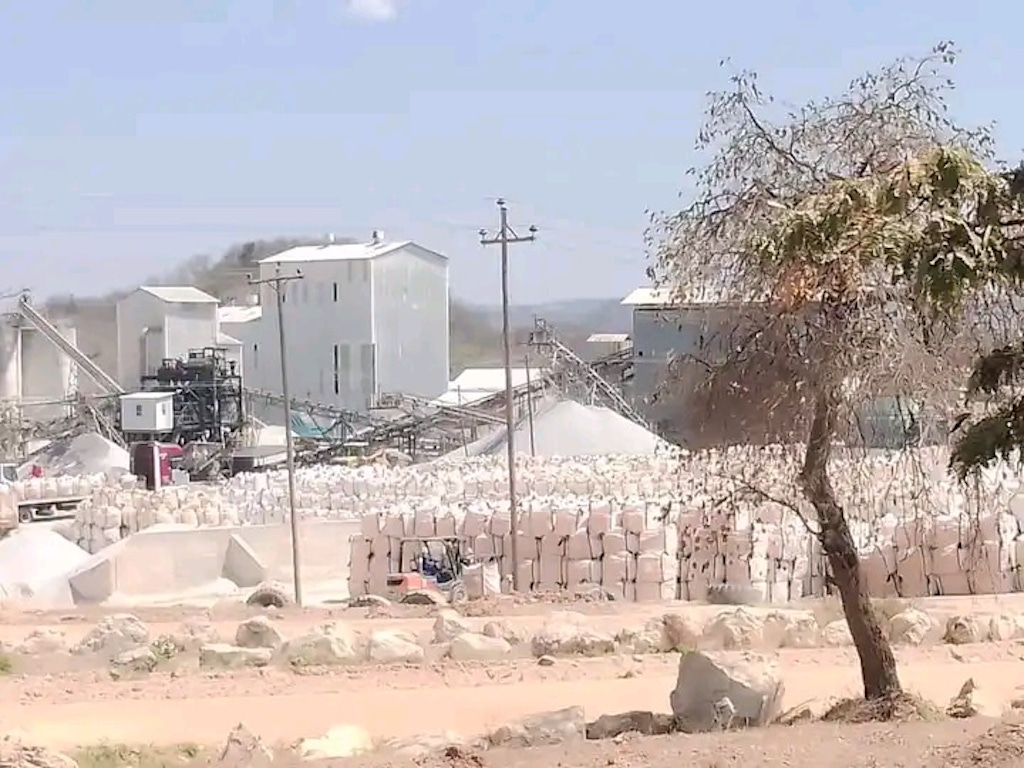
Zimbabwe boasts Africa’s largest lithium reserves and is among the top 10 global producers of the mineral. Mines like Bikita Minerals in Masvingo Province have ramped up output in recent years, attracting hundreds of millions of dollars in foreign investment—particularly from China.
But with that growth has come increasing concern over the environmental cost of beneficiation processes like grinding, flotation, and chemical leaching.
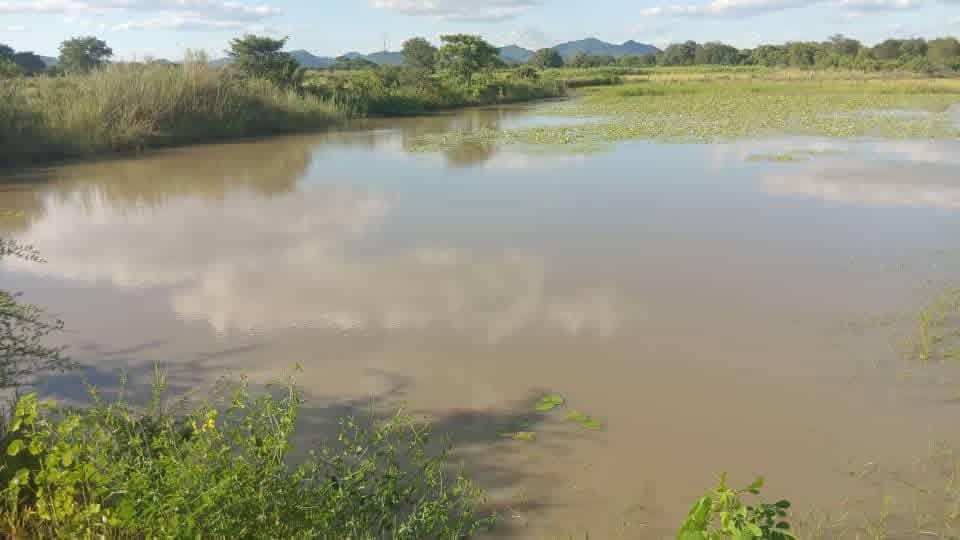
These methods produce tailings and liquid waste laced with hazardous materials that, if mismanaged, can pollute water bodies, contaminate soil, and endanger surrounding ecosystems.
This scientific consensus is a sobering reminder that while lithium is key to the global clean energy transition—used in electric vehicle batteries, solar storage, and mobile devices—its extraction and processing come with a heavy environmental footprint.
“It is important to emphasise that studies on lithium mining pollution acknowledge that mining hard rocks for lithium generates hazardous waste streams that contain salts, surfactants, organic extractants and solvents,” reads a recent environmental brief from Masvingo Centre for Research and Development (MACRAD).
The brief also highlighted that if lithium mining is not done right, it will do more harm to the country leaving behind a legacy of environmental decay.
“Zimbabwe’s lithium reserves could fuel both global decarbonization efforts and local economic transformation. But without responsible practices, the sector could leave behind toxic legacies and disillusioned communities.
“Lithium may power electric cars abroad but if it destroys water sources and farmland here, what good is it for us? With the government keen to move away from exporting raw lithium and toward value-added processing, these safeguards are seen as essential to ensure long-term sustainability,” reads the brief.