EnviroPress Reporter
MBERENGWA — For years, a decent road, reliable water point or functioning school has been less a given than a distant hope for communities living around Sandawana Mine in Mberengwa.
Now, as lithium mining expands, the mine is increasingly becoming a source of infrastructure — raising a difficult question for the district: are these projects building lasting community assets, or creating a dependency on the mining company for services that should ultimately be sustained by public institutions?
In 2025, Sandawana Mines, owned by Kuvimba Mining House, reported spending about US$475,000 on community social responsibility projects.
Nearly US$400,000 went towards repairing and upgrading a 60-kilometre gravel road linking the mine to the Beitbridge highway.
The company also said it was preparing to work on another road section connecting Yorks and Sandawana.
For villagers, the impact is immediate. Better roads mean easier access to markets, schools, health facilities and transport.
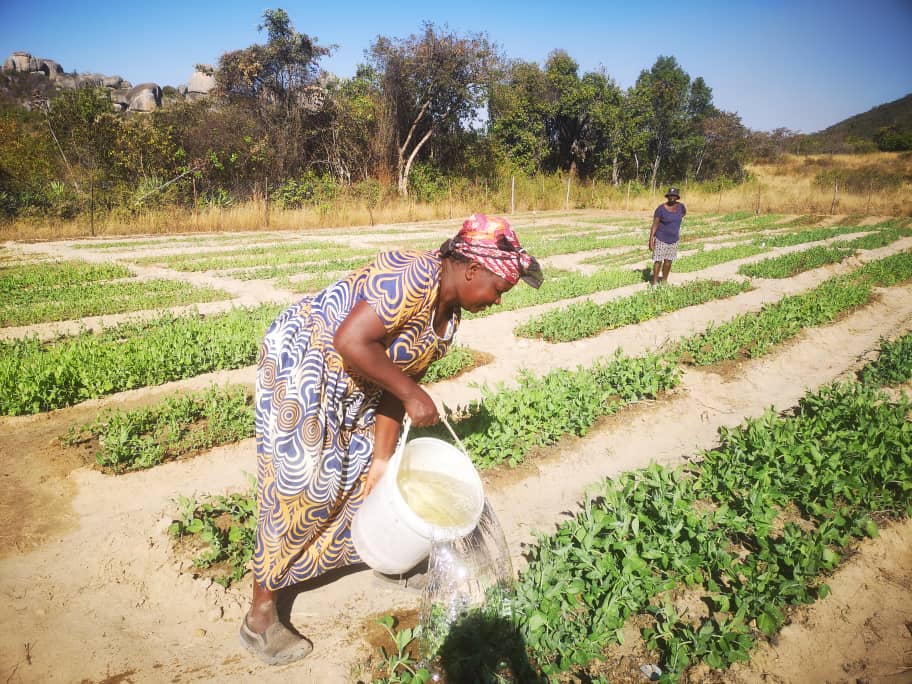
Water projects have delivered similarly tangible benefits. Sandawana has drilled solar-powered boreholes, including one at Maringambizi Secondary School, where pupils said reliable water could support agriculture and practical learning.
The company has indicated plans for 16 solar-powered boreholes in surrounding communities.
But the infrastructure deficit remains significant.
Traditional leaders have previously told mining officials that Mberengwa needs better roads, health facilities and household water supplies.
In 2023, Chief Ngungumbane called for major roads to be tarred and for improved access to medical services.
The pressure is not new. Sandawana Primary School has also been at the centre of concerns over its proximity to mining operations, prompting traditional leaders to seek its relocation and broader community development interventions.
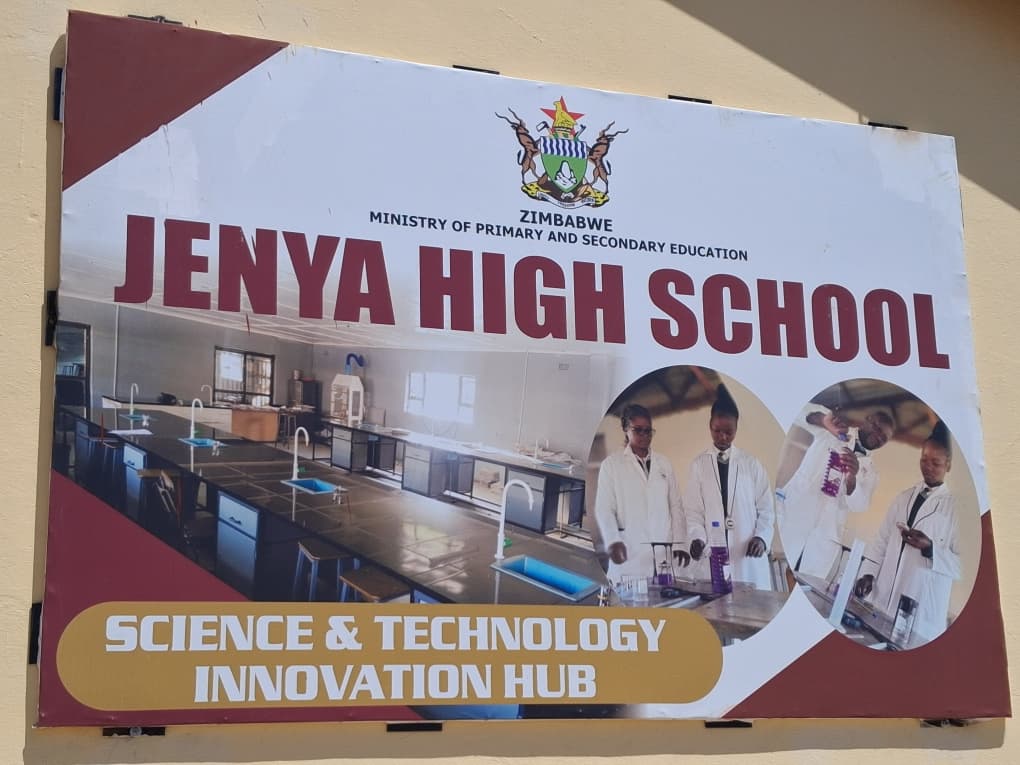
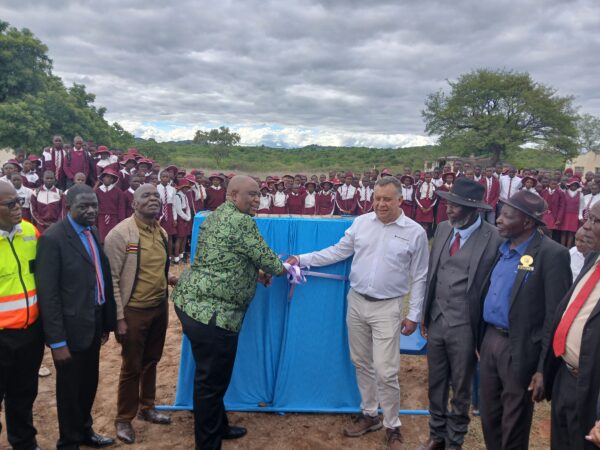
The mine has meanwhile renovated a classroom block at Chebvute Secondary School and committed to further work, including school painting, replacement of doors and safety improvements.
Yet infrastructure built around a mine carries an uncomfortable vulnerability: what happens when commodity prices fall, production slows or the mine eventually closes?
Residents have already experienced the consequences of volatility. Hundreds of locals reportedly lost jobs when Sandawana responded to weaker global lithium prices.
That makes the distinction between community asset and corporate handout critical.
A road that opens markets, a borehole that supports agriculture, or a school that remains functional long after mining activity changes can become a genuine development asset.
But if maintenance, water systems, schools and health services depend indefinitely on the fortunes of one company, the same infrastructure can deepen dependency.
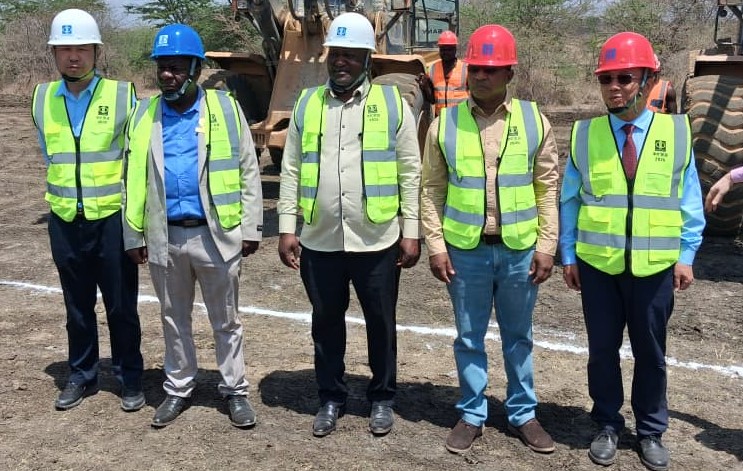
Sandawana’s proposed lithium processing plant, expected to create more than 2,000 jobs in its initial phase, could substantially expand the economic base around the mine.
For Mberengwa, therefore, the test is bigger than how much the mine spends on community projects. The real measure will be whether today’s mining-funded infrastructure becomes tomorrow’s self-sustaining local economy.
Until then, the road out of dependency may itself be a road built by the mine.