
EnviroPress Reporter
As Zimbabwe’s lithium mining sector booms with the promise of economic transformation, a new study has cast a harsh spotlight on unfulfilled employment promises and ignored community voices, raising serious concerns about transparency and accountability in the country’s mining agreements.
Despite government investment pledges that emphasize job creation and local participation, the study reveals that many foreign-owned lithium companies have failed to deliver on these commitments, leaving host communities frustrated and sidelined.
“Although Zimbabwean investment agreements promise employment opportunities for locals, the study found that these are rarely honoured,” the report says.
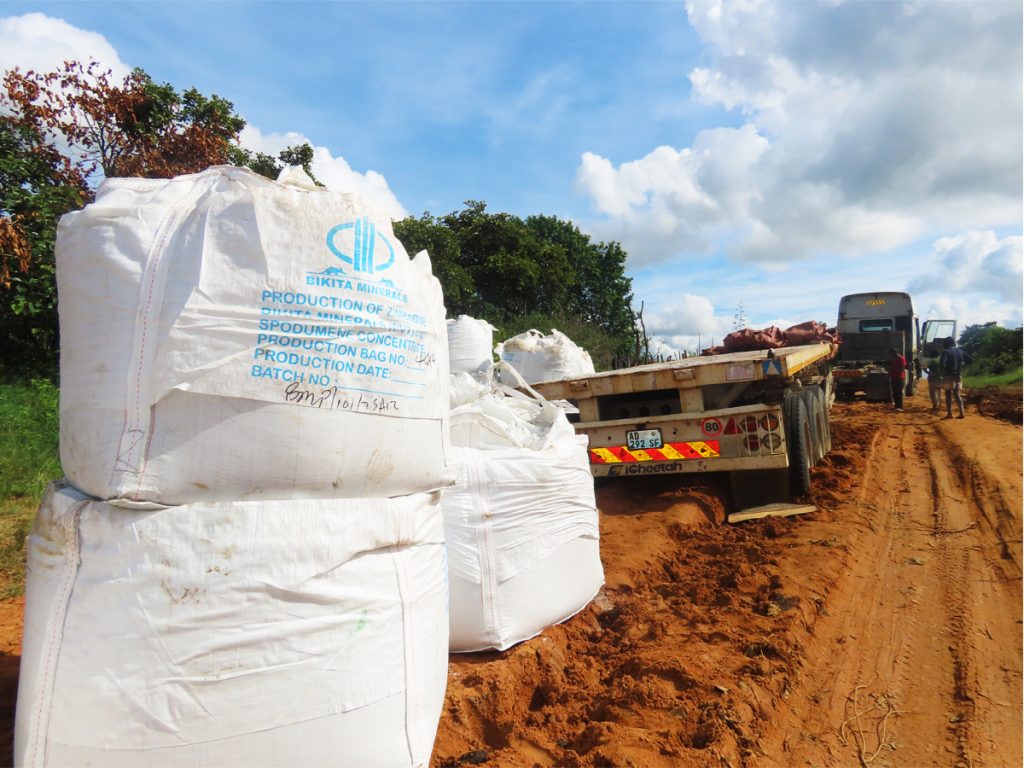
In areas like Bikita, Mutoko, and Goromonzi, villagers report watching heavy machinery and trucks roll through their communities—operated by outsiders—while they remain unemployed.
“We were told there would be jobs for our children,” said Nyasha Mupfumi, a resident near a lithium processing site. “But most of the people working at the mine are brought in from other provinces or even other countries. We feel used and forgotten.”
Many locals who manage to get temporary jobs at these sites often report low wages, poor working conditions, and no formal contracts, further compounding the sense of betrayal.
The study also exposes worrying trends in how mining operations are launched, revealing that some companies began mining before completing Environmental Impact Assessments (EIAs) — a legal requirement meant to safeguard local ecosystems and public health.
In some cases, the assessments were done without any consultation with nearby residents. In others, the studies were carried out after mining had already started, making them meaningless in preventing harm.
“This is not just a legal failure—it’s an ethical one. Ignoring communities and conducting retroactive impact assessments defeats the whole purpose of environmental protection,” said an environmental rights advocate based in Masvingo.
The findings reflect a broader pattern in Zimbabwe’s extractive industries, where investment incentives for foreign companies are rarely matched by clear enforcement of social and environmental obligations.
Weak oversight and political connections often allow mining operations to proceed unchecked, despite local opposition or concern.