Rutendo Chirume
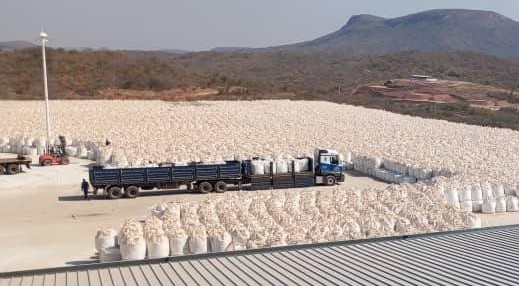
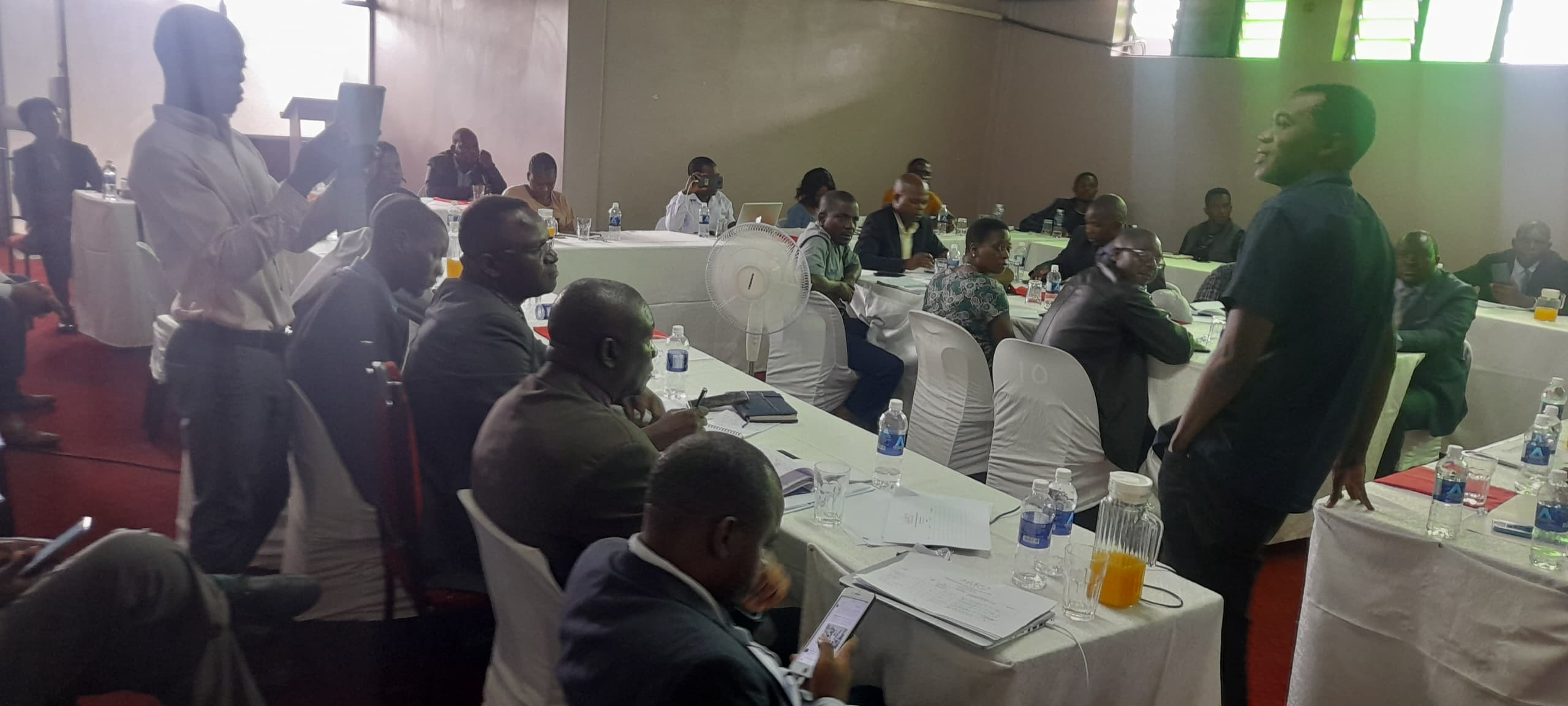
In a major step toward addressing the longstanding exclusion of local communities from the benefits of lithium mining, EnviroPress Zimbabwe, in partnership with the Southern Africa Trust (SAT), recently held a series of Community Mining Symposiums in Bikita and Mberengwa districts — two of Zimbabwe’s most lithium-rich regions.
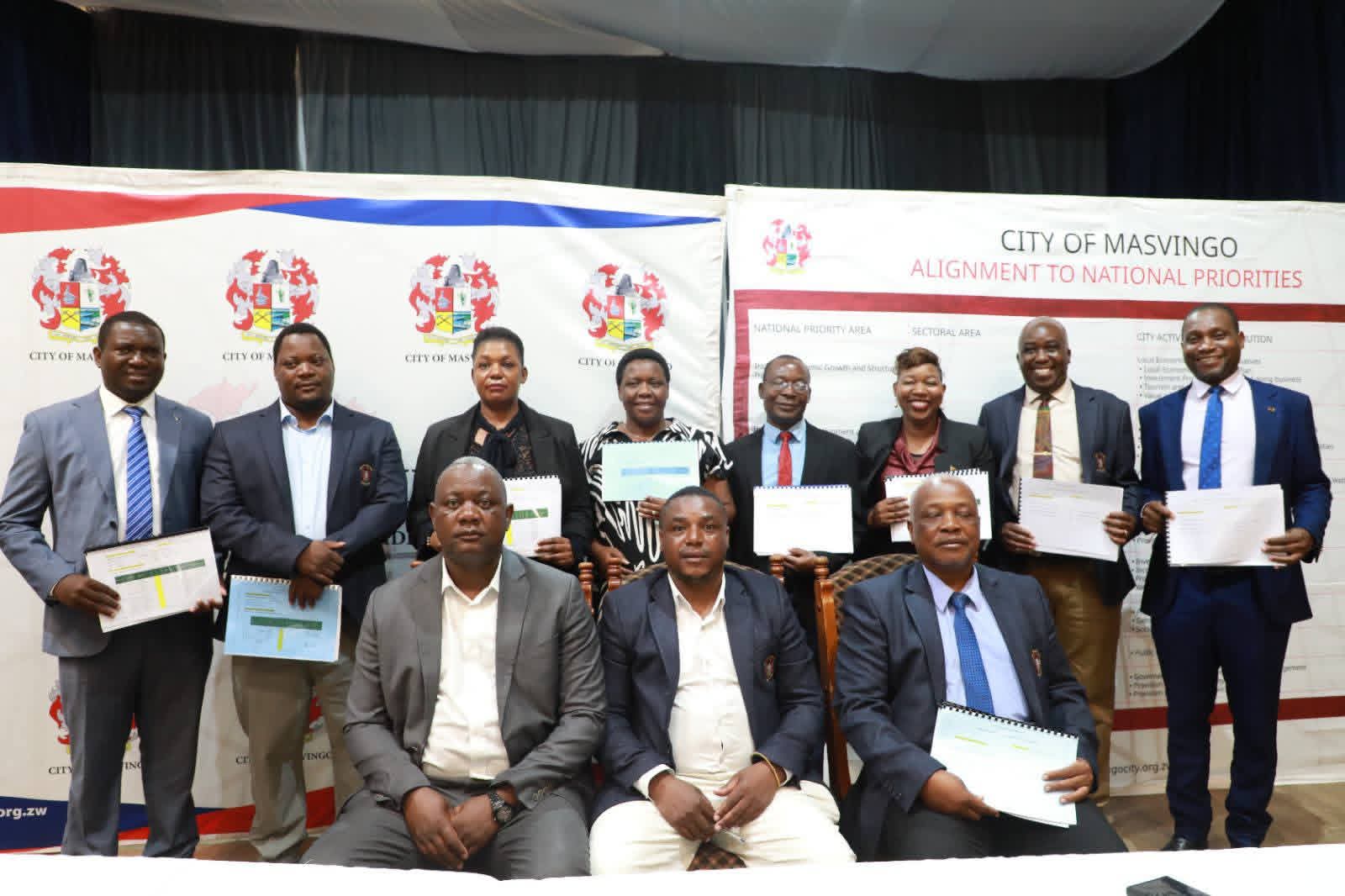
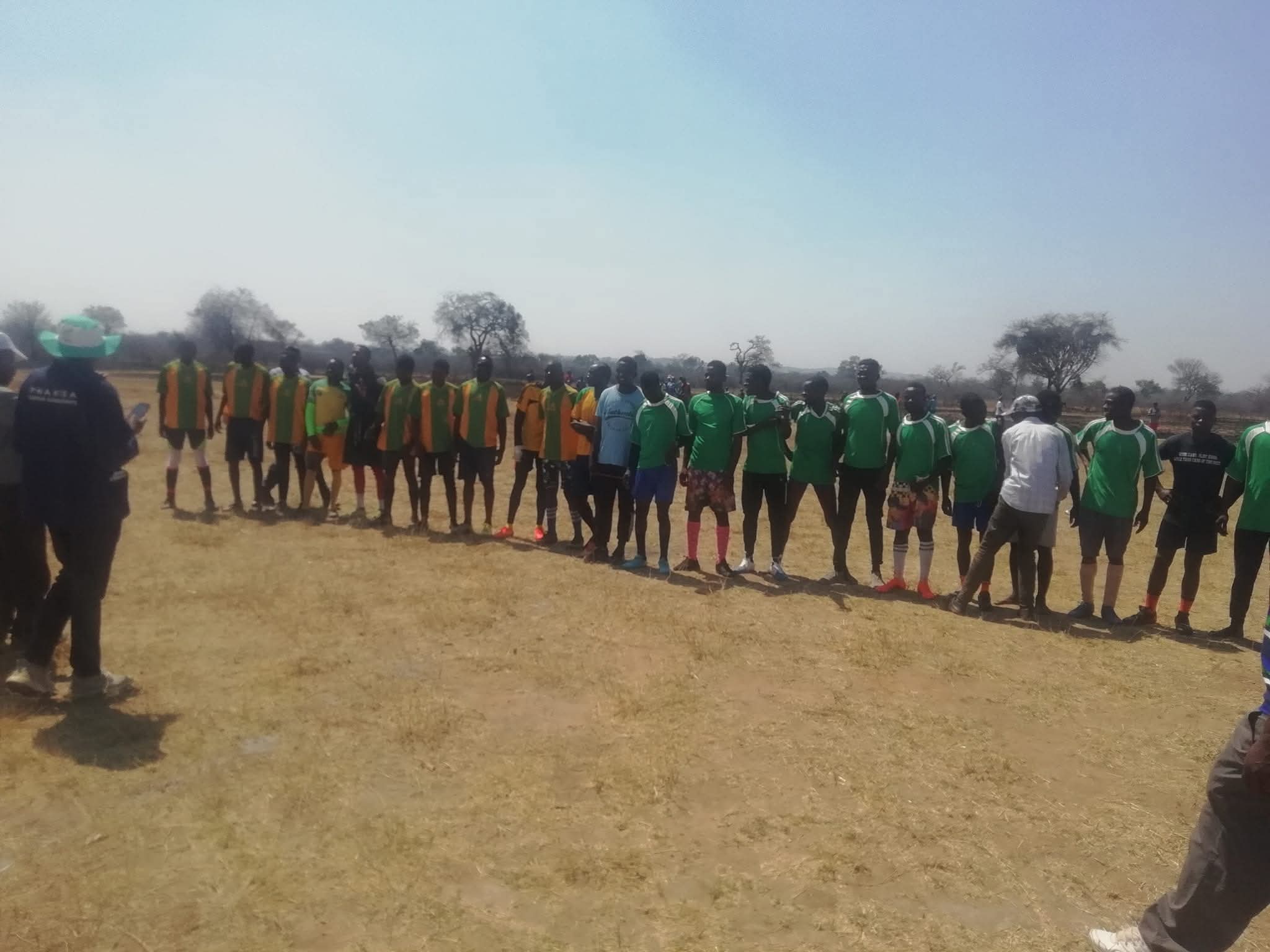
The gatherings brought together local residents, mining officials, traditional leaders, civil society actors, youth and women’s representatives, and government stakeholders to explore how communities can meaningfully benefit from the mineral wealth under their feet.
The symposiums resulted in a number of bold policy proposals aimed at bridging the widening gap between mining investments and local development.
Key policy proposals and issues emerging from the symposiums
- Local benefit-sharing mechanisms
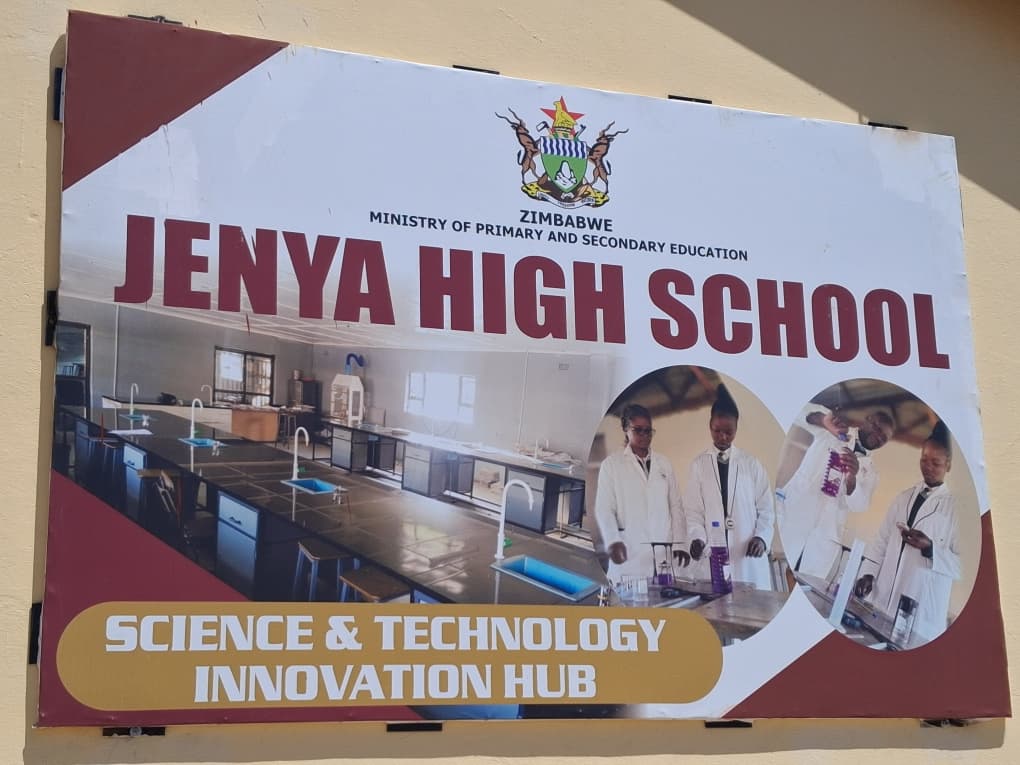
Participants from both districts stressed the need for legally binding Community Development Agreements (CDAs) between mining companies and host communities. These agreements should allocate a fixed percentage of mining revenues to community-led development projects (such as clinics, schools, and water infrastructure).
- Local employment and skills transfer
Unemployment was cited as a major concern in both districts. Communities proposed a quota system that guarantees a minimum percentage of mining jobs for locals, especially youth and women. They also called for on-the-job training and apprenticeship schemes, and investment in vocational training centres tailored to the needs of the mining industry.
- Local procurement policies
Participants demanded that mining companies adopt and fully implement local procurement policies that prioritise local suppliers for goods and services, small and medium enterprises (SMEs) from within the districts.
- Environmental accountability and rehabilitation plans
Communities voiced concern over the environmental damage caused by mining, including deforestation, dust pollution, and water contamination. The symposiums proposed stronger environmental impact assessments (EIAs) with genuine community consultation, and mandatory and well-funded environmental rehabilitation plans before mining commences.
- Transparency and access to information
Participants called for the creation of local mining oversight committees, made up of community representatives to monitor company operations, access and disseminate mining-related information such as revenue, employment statistics, and social investments.
- Recognition of customary land rights
In both districts, disputes over land displacement and inadequate compensation were raised. Communities urged government and mining companies to respect traditional land tenure systems, ensure free, prior, and informed consent (FPIC) before any land acquisition or relocation.
- Gender-inclusive resource governance
Women participants highlighted the gendered impacts of mining, including increased domestic burdens and loss of livelihoods. They proposed a dedicated women’s empowerment fund sourced from mining proceeds and gender quotas in community consultative structures and employment opportunities.
The mining symposiums highlighted the urgent need to place communities at the centre of resource governance, especially in strategic mineral sectors like lithium. As global demand for lithium continues to soar, Bikita and Mberengwa residents are asserting their voice in shaping a just and inclusive mining future.