Rutendo Chirume
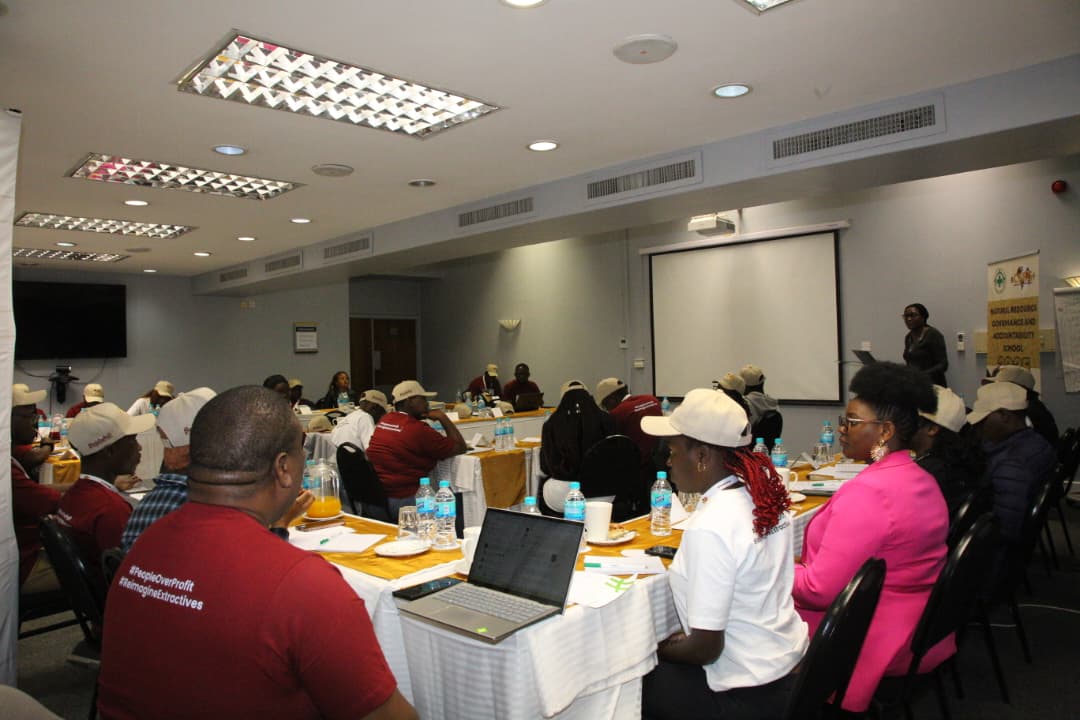
The Centre for Natural Resource Governance (CNRG) has officially launched the inaugural 2025 cohort of its Natural Resource Governance and Accountability School in Mutare, bringing together young leaders from mining-affected communities across Zimbabwe for a transformative learning experience.
Held on July 25–26 under the theme “Reimagining future approaches to extractives and climate justice”, the two-day school gathered participants from Mutare, Hwange, Marange, Mutoko and Bikita.
The training aimed to inspire a new generation of leaders to demand transparent, just, and inclusive management of natural resources.
In his keynote address, CNRG Executive Director Farai Maguwu delivered a scathing critique of Zimbabwe’s mining policies. He argued that the country’s extractive economy enriches political elites and foreign investors while impoverishing local communities.
“Why must we bring in foreign investors to mine minerals that locals could exploit profitably? Who defines legality in mining? Our extractive logic disempowers citizens while empowering elites and global capital,” Maguwu said, calling for a reimagined system that centers people over profits.
Director of the Zimbabwe Natural Resource Dialogue Forum, Freeman Bhoso, also weighed in challenging the long-held belief that foreign investment automatically leads to progress.
“Exporting raw materials while importing finished goods is economic suicide. If communities don’t benefit, it’s not development—it’s extraction. We must ensure sustainability, transparency, equity, and environmental protection. Communities—especially the marginalized—must have a real voice,” said Bhoso.
CNRG’s senior programmes officer, Ndaizivei Garura, urged youth to turn their frustrations into organized advocacy.
“Ignorance is no longer an excuse. We are not here to make money—we are here to change systems. Poorly regulated contracts have created long-term ecological and health crises. The youth must extract knowledge and use it to shape policy,” said Garura.
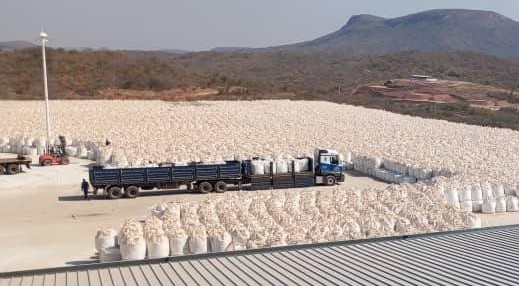
Participants shared testimonies from Zimbabwe’s mineral hotspots, ranging from Bikita’s lithium boom to Hwange’s coal fields, highlighting the hidden costs of development.
Many recounted being excluded from mining decisions and bearing the brunt of environmental damage, social displacement, and poor public services.
They drew connections between mismanaged mining revenues and the daily realities of unaffordable education, crumbling infrastructure, and health hazards.
While Zimbabwe’s National Development Strategy 1 (NDS1) positions mining as central to national transformation, participants noted a stark gap between policy promises and lived experiences.