Alice Kanengoni
…regional dialogue explores climate justice amid geopolitical volatilities
By Moses Ziyambi
Africans should hold the line and find homegrown solutions to climate-related challenges faced by their countries as the current geo-political instability among rich countries of the West means reduced opportunities for climate finance.
This came out at the opening of the Post-COP30 SADC Regional Dialogue organized by the Southern Africa Trust in Johannesburg where participants are interrogating gaps between global commitments and the lived realities of the SADC region.
During reflections, participants observed that COP30, which was held in the Brazilian city of Belém in November 2025, did not do much to bridge the gap between ambition and implementation, with the climate pledges showing no genuine urgency.
“In Belém, the expectation was that we would move from ambition to delivery especially regarding loss and damage funding as agreed at COP27 in Sharm El-Sheikh. There were expectations for clearer implementation pathways, but that did not really materialise. Meanwhile, Southern Africa is severely impacted by climate change, and these are our current realities not future risks,” said Dr Mao Amis, the Executive Director of African Centre for a Green Economy (AfriCGE).
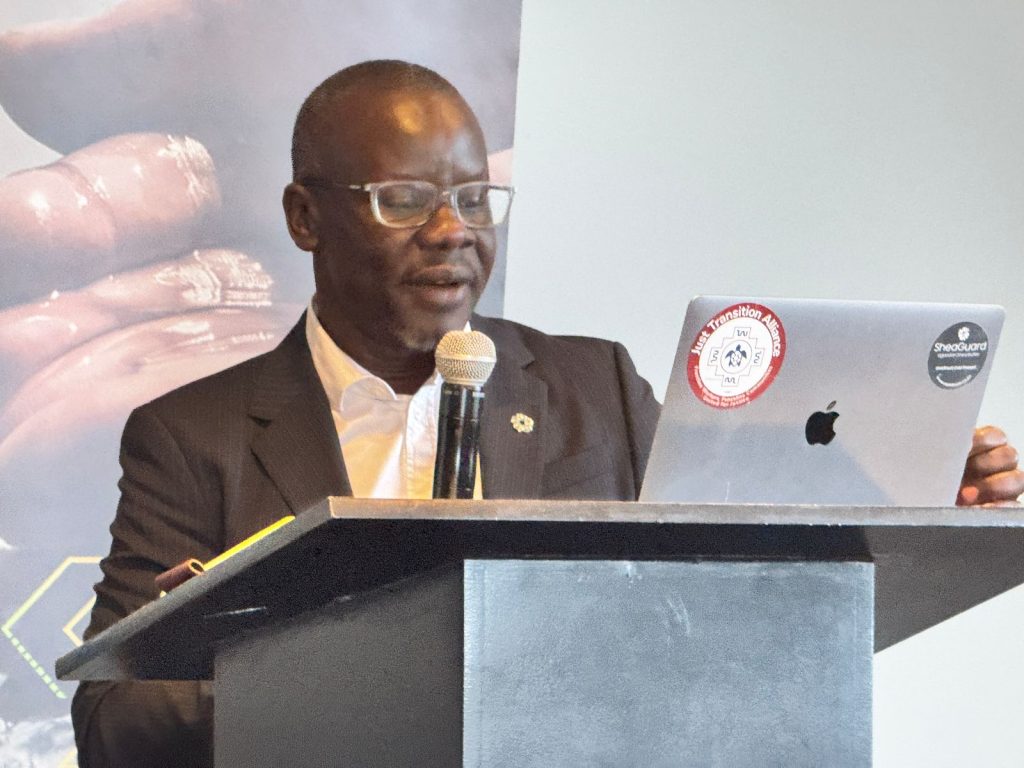
He said COP30 had been undermined by the absence of the United States, a setback which had seen the country’s Western allies take a laid-back approach at the conference
Dr Amis said the recent severe flooding in parts of Mozambique, South Africa and Zimbabwe showed the fragility of local systems, with the inability of vulnerable communities to respond timeously proving that resilience was low.
“What this means for frontline communities is that systems remain fragile and inaccessible, finance remains unpredictable, access remains mediated by capacity thresholds, and that those closest to the impacts of climate change are the farthest from decision-making,” he said, urging the region to upgrade its disaster response preparedness and coordinate local resources to improve adaptation.
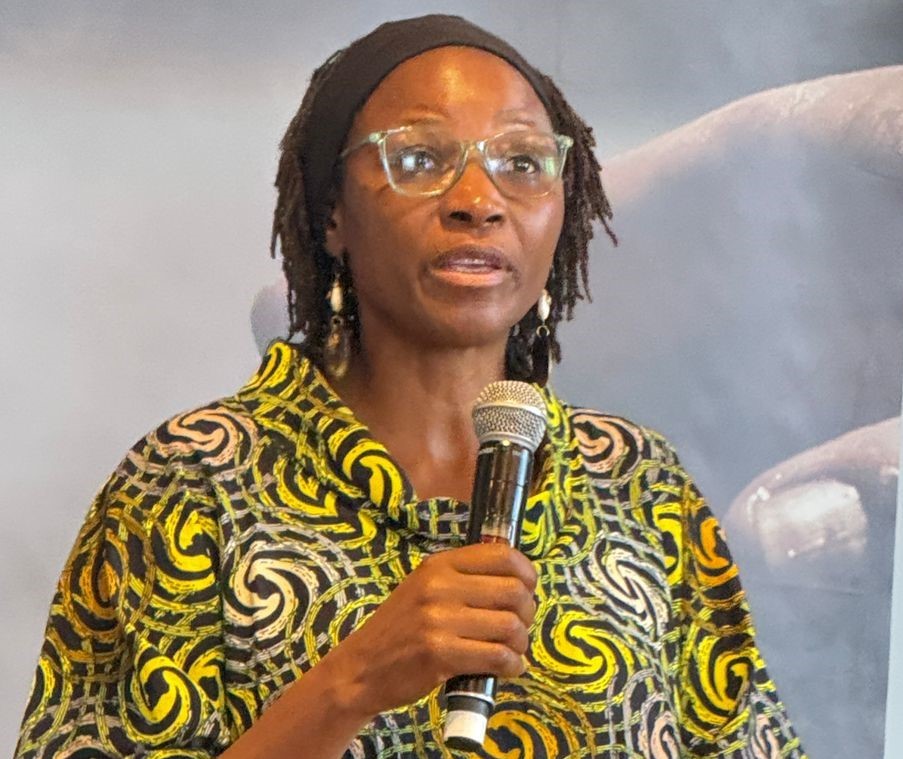
In her remarks, SAT Executive Director Alice Kanengoni said the fact that Southern Africa has been consistently represented at COP platforms would not translate to guaranteed implementation of decisions made.
“In view of what is happening geopolitically, we must start thinking about what we can do for ourselves rather than what can be given to us. Whatever that gets given to us should only complement our own efforts as countries and as civil society,” said Kanengoni.
She called upon participants to work for a collective climate strategy rooted in justice as espoused by the Seriti strategy adopted by SAT to guide its work until 2030.
Under the Seriti strategy, SAT advances gender justice, equity, and accountability by recognising how different forms of discrimination and marginalisation intersect, especially across lines of gender, class, age, geography, and ability.
Kanengoni called for the alignment of agenda-setting and advocacy by civil society for improved outcomes, emphasizing the need for feminist, gendered and youth-sensitive responses to climate change in view of the deep structural inequalities that pervade African society.
Held under the theme, ‘Post-COP30 SADC Regional Dialogue: Advancing Climate Justice & Just Transitions in Southern Africa’, the dialogue seeks to, among other things, interrogate the outcomes of COP30 and co-create a roadmap for just transitions and economic justice.