In the face of climate change marked by recurring droughts, a farmer in the semi-arid Chiredzi district has taken extraordinary steps to secure water for his community by building a weir with his bare hands.
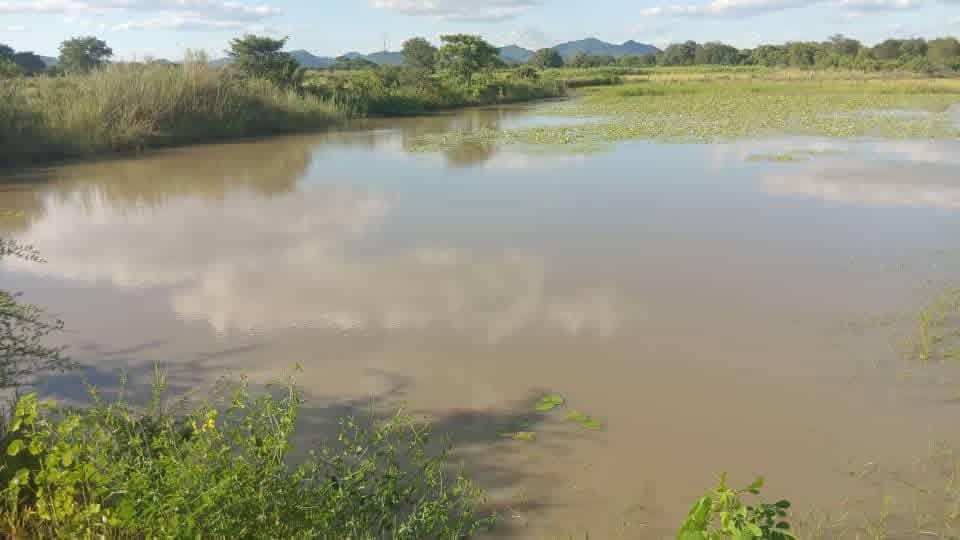
William Mafemani of Village 2, Nyangambe Resettlement in Ward 23, refused to let water shortages in his community persist any longer. Initially dismissed for attempting what many believed required heavy machinery, Mafemani’s efforts have since transformed into a community asset, significantly improving access to water.
Equipped with only basic tools and unwavering determination, he set out to build a reservoir that could capture and store precious rainfall. Mafemani said he worked tirelessly without mechanized equipment, even as many people mocked his efforts.
“I now use the water for gardening and fish farming. Livestock in the community are also drinking from the same source,” said Mafemani.
The weir has not only improved food production and income for the Mafemani family, but it has also become a hub for local biodiversity, providing a habitat for aquatic life and more reliable water access for surrounding vegetation.
Fungai Mahenye, a resident of the community, said the weir has made access to water easier than ever before.
“I can now water my garden regularly, wash my clothes without walking long distances, and provide clean water for our animals. Daily routines have become much easier, especially for women who need the water for home use and for gardening,” said Mahenye.
Environmental Management Agency (EMA) Masvingo Provincial Manager Milton Muusha noted that the development demonstrated the individual capacity to make a meaningful contribution to climate action at a local level.
“Communities must show love for their environment by conserving and managing their resources from the grassroots. This can complement broader climate resilience strategies and improve livelihoods,” Muusha said.
Mafemani’s story has inspired calls for increased support toward community-driven climate solutions, with experts urging policymakers and development partners to recognize and scale up such grassroots innovations.