Rutendo Chirume
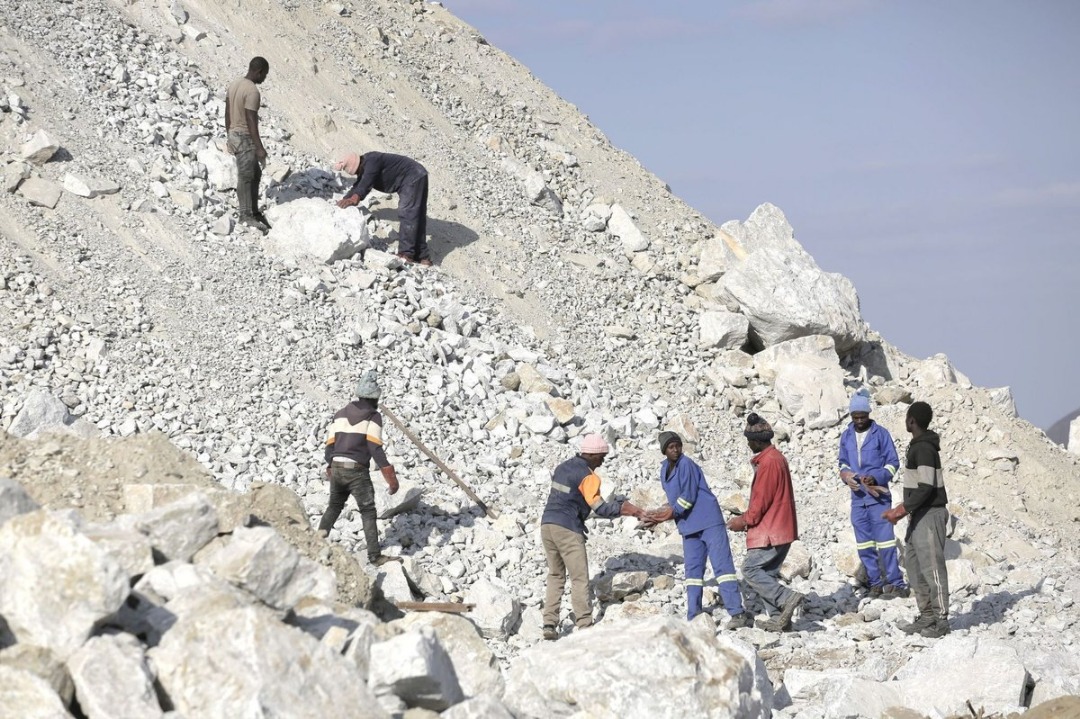
Women’s rights advocates are stepping up pressure for feminist governance in Zimbabwe’s mining sector, warning that exclusion, exploitation, and tax injustices are deepening poverty in mineral-rich communities.
Speaking at the just-ended Zimbabwe Alternative Mining Indaba, Margaret Mutsamvi, director of the Economic Justice for Women Project (EJWP), said women remain marginalized in both policy and practice.
“Mining has created a crisis for women. They are denied jobs, displaced from farmland, and left to shoulder the social costs of extractivism. We need a governance system that places women at the centre, not on the margins,” said Mutsamvi.
She added that the so-called gender-neutral laws were failing women.
“The question is whether women’s voices are heard and can influence policy. Representation alone is not enough—we need frameworks that are deliberate about protecting women’s rights and livelihoods,” she said.
Critics note that while mining contributes significantly to Zimbabwe’s economy, its benefits rarely trickle down to women or to communities directly affected by extraction.
Employment opportunities are said to remain largely discriminatory, with men favoured over women, pushing many women into economic insecurity.
As a result, cases of child marriages, school dropouts, gender-based violence, and rising rates of sexually transmitted infections have been on the rise.
Women farmers are particularly affected, often losing land to mining projects and with it, the ability to feed and sustain their families.
Adding a fiscal dimension, Professor Favorite Mpofu from the National University of Science and Technology (NUST) described Zimbabwe’s mining tax system as “archaic, colonial, and out of step with today’s realities.”
She said generous tax incentives for investors, coupled with illicit financial flows and weak enforcement, have deprived the nation of billions in potential revenue.
“The paradox is that while Zimbabwe is rich in natural resources, the communities around the mines remain some of the poorest,” Mpofu said.
She warned that tax breaks had triggered a “race to the bottom,” while transfer pricing, invoice manipulation, and smuggling by mining companies were draining the economy of funds that could support public services and community development.
Both activists and academics are now demanding a transparent, inclusive, and accountable mining sector—one that addresses gendered injustices in both labour and taxation, and ensures women and communities receive a fair share of Zimbabwe’s mineral wealth.