EnviroPress Reporter
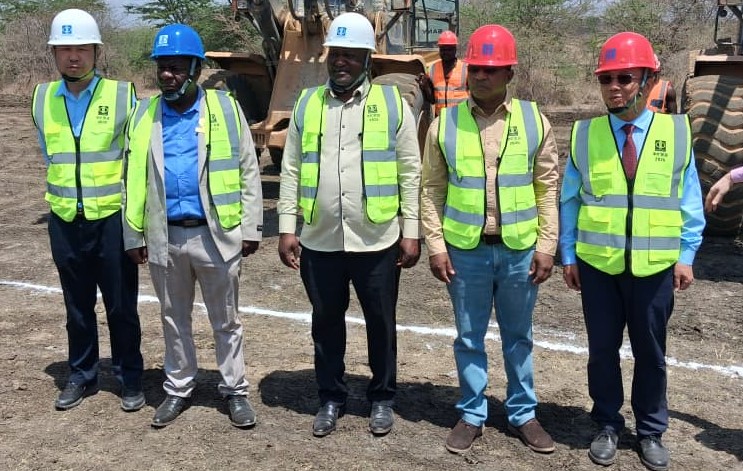
BIKITA— Sinomine Resource Group’s planned lithium sulphate plant at Bikita Minerals is being sold as the next big step in Zimbabwe’s lithium story. But behind the headline investment lies a harder public-interest question: can the mine expand its industrial footprint without deepening the environmental and social pressures already being felt by surrounding communities?
The latest figures put the project at US$500 million, with the first phase expected to produce 60,000 tonnes of lithium sulphate a year from the second quarter of 2027. A second phase is planned to add 65,000 tonnes, taking annual capacity to 125,000 tonnes by 2028.
Lithium sulphate is an intermediate chemical used to produce battery-grade lithium chemicals such as lithium carbonate and lithium hydroxide.
The project therefore fits squarely into Zimbabwe’s push to stop exporting lithium concentrates and capture more value locally. The government intends to prohibit lithium concentrate exports from January 2027.
Economically, the case is compelling. Zimbabwe exported about 1.13 million tonnes of spodumene concentrate to China in 2025, while Chinese companies have invested roughly US$2 billion in the country’s lithium industry since 2021.
Bikita’s plant could mean more processing, jobs and industrial activity remaining in Zimbabwe rather than moving offshore.
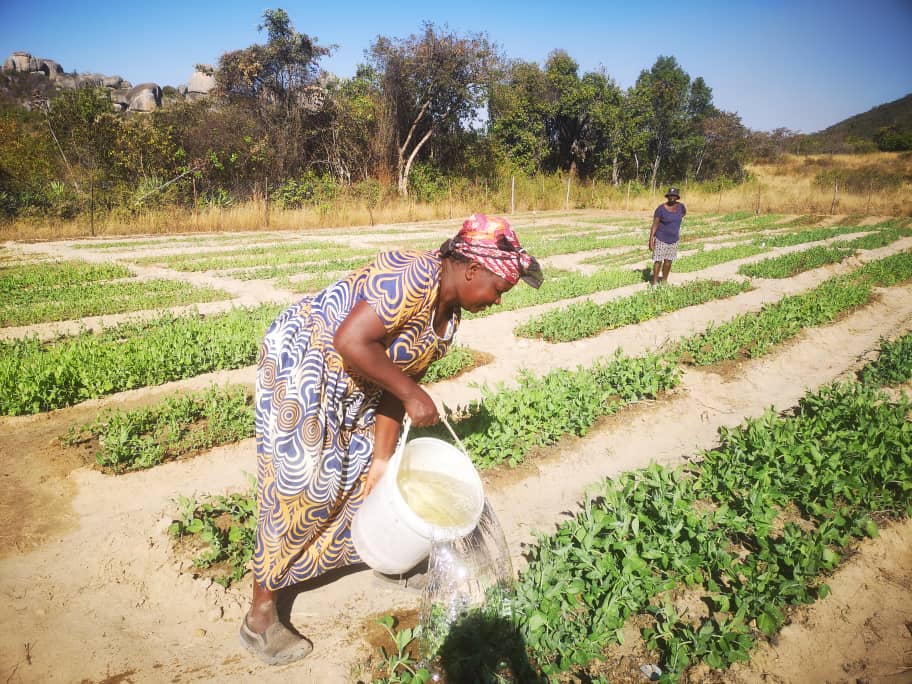
But Bikita is not an empty industrial zone. It is a rural mining landscape where agriculture, livestock, water and homes exist alongside one of the country’s oldest lithium operations.
The mine dates back to the early 20th century, with lithium production beginning in the 1950s; Sinomine acquired the operation in 2022.
That history matters because communities have already raised concerns about the costs of expansion.
In Murape, villagers have complained about displacement, access to water and the effects of mine infrastructure.
The Zimbabwe Human Rights Commission has reported alleged environmental and property-rights violations involving villagers, including concerns linked to fencing and a tailings dam.
Water is particularly sensitive. Community and civil-society groups have accused the mine of drawing heavily on local water resources and of affecting access to water used by downstream households and farmers.
There have also been allegations concerning effluent entering Matezva Dam, a water source serving communities and irrigation activities.
Bikita Minerals has disputed allegations of environmental non-compliance and says it holds an EIA certificate for its spodumene processing plant and tailings dam.
The history of environmental disclosure also warrants scrutiny. EMA previously confirmed that Bikita submitted an EIA for its spodumene plant in 2022 and that the agency conducts audits to check whether operations remain within the approved scope.
EMA also acknowledged accidental spillages and said corrective measures had been implemented.
The crucial question now is whether the new sulphate plant has its own fully disclosed environmental assessment and enforceable mitigation measures, rather than assuming that safeguards for existing operations automatically cover a substantially expanded processing complex.
There is also a human cost to getting the balance wrong. In a negotiated relocation involving nine affected households, Bikita Minerals agreed to provide US$1,500 and a 20-tonne load of quarry stone per household.
The agreement followed years of disputes over the mine’s expansion and the position of villagers living within or near mining areas.
For Bikita residents, therefore, the proposed plant is more than an investment statistic. It could bring employment and economic opportunity. But it also increases the importance of transparent water-use data, publicly accessible environmental assessments, independent monitoring, fair compensation and meaningful community participation.
Zimbabwe needs the lithium value chain. Bikita needs investment. But neither objective should require communities to accept environmental risks they cannot see, measure or challenge.
The public-interest test for the US$500 million project is consequently straightforward: what will Bikita gain, what will the surrounding communities bear, and can both sides see the evidence?