EnviroPress Reporter
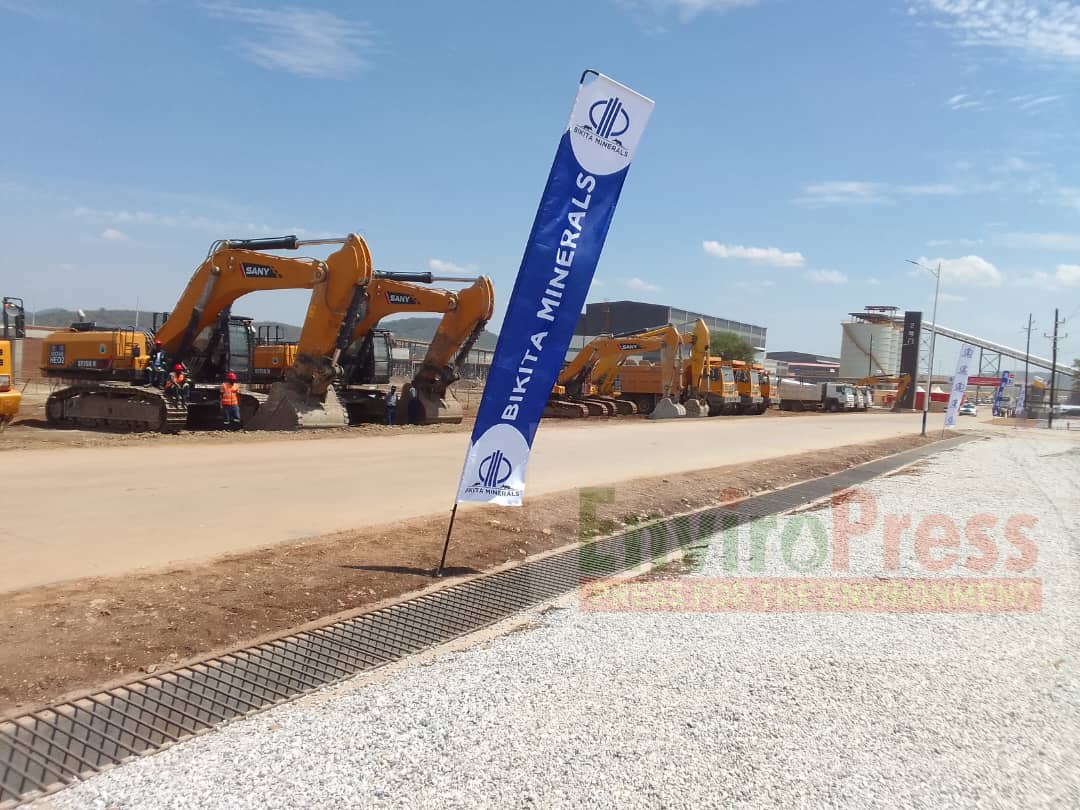
Labour tensions are escalating at Bikita Minerals (Pvt) Ltd, Zimbabwe’s flagship lithium operation, amid growing frustration over what local employees describe as “bad faith engagement” and “systemic inequality” under the mine’s Chinese ownership.
Internal documents obtained by EnviroPress Zimbabwe reveal a pattern of unanswered grievances, managerial exclusion, and wage disparities that threaten to destabilize one of the country’s most strategic mineral assets.
Since mid-September, Bikita Minerals’ local management has submitted at least three formal position papers to Sinomine Resources Group’s Human Resources Headquarters in China.
These documents—dated September 18, October 2, and October 10, 2025—outline critical concerns around salaries, benefits, managerial structure, and contractor absorption.
The documents paint a picture of a divided workforce. Chinese managers reportedly enjoy full USD salaries, company vehicles, and free meals—while Zimbabwean staff face stagnant wages, reduced COVID-era salaries, and unequal access to benefits.
Local managers say they are excluded from key meetings and decision-making, despite being held accountable for operational outcomes.
Local management argues that internal labour—especially from Petalite plants—should be redeployed to support operations instead of hiring externally or relying on contractors like UDC.
They also call for the absorption of long-term contract workers into the permanent workforce, citing cost savings, improved morale, and better-quality control.
“During the COVID-19 pandemic, management salaries were slashed by 50 percent, with a promise of restoration once production resumed. That promise remains unfulfilled, despite record output and Sinomine’s own public acknowledgment of Bikita Minerals as a “cash cow” within its global portfolio.
“Meanwhile, NEC-mandated increments for lower-grade workers have created a wage inversion, where some junior staff now earn more than their supervisors—further eroding morale and authority,” reads one of the documents.
The documents cite multiple sections of Zimbabwe’s Labour Act and international conventions, including ILO Conventions 87 and 98, to demand restoration of pre-2021 salaries, a transparent benefits policy, absorption of contractor employees, a clear bonus framework, managerial balance and inclusion, and protection from retaliation for raising concerns.
Bikita Minerals Human Resources manager Hilton Chimura told EnviroPress, in written responses, that they value dialogue and were committed to addressing concerns.
He said Bikita Minerals has its own board and executive management structures responsible for the day-to-day operations.
“Bikita Minerals operates as a distinct legal entity within the Sinomine Group, with its own board and executive management structures. Sinomine Group provides oversight as shareholder, responsibility for day-to- day operations, employee relations and policy rests with Bikita Minerals’ management and board.
“We would like to clarify that the HR department has been responsive to correspondences from management representatives and senior executives.
“We value open dialogue and are committed to addressing concerns. However, we believe that internal issues should be resolved through established channels before seeking external attention. We are open to constructive engagement and finding mutually beneficial solutions.
“All matters related to employee welfare are handled internally at Bikita Minerals, ensuring prompt and effective solutions. We prioritise timely responses to employee concerns, reflecting our commitment to supporting the well-being of our team members,” said Chimura.
Addressing salaries, Chimura said they reviewed employee salaries in 2023 and introduced monthly, bi-annual and annual bonus schemes to motivate staff and management.
“We remain committed to competitive compensation packages for our employees and management, with salary adjustments made in line with market trends and the current prices of our commodities. This approach ensures that our remuneration remains fair and aligned with industry standards.
“The differences in benefits packages between our Chinese and Zimbabwean employees are primarily aligned with standard global practices for international assignees versus local hires.
“It is important to note that for comparable roles and performance, our core remuneration philosophy is based on equity and competitiveness. We regularly review our total rewards structure to ensure it is fair and supports our commitment to all employees,” said Chimura.
He said managers negotiate their own contracts based on experience, qualifications, technical aptitude, and skill level.
“We have a 3 tire-grading system that categorizes managers according to their contributions, with rewards and recognition aligned to their grade, working experience and performance.
“Bonuses are calculated based on individual performance, number of days worked, and productivity,” said Chimura.
On the imbalance between Chinese and local managers, Chimura said the figures raised in the documents were far from the truth as local managers have the higher number.
“To clarify, the workforce includes 30 Chinese serving in management roles across various levels, including lower, middle, and senior management. The remaining Chinese employees hold positions such as engineers, plant operators, and technicians who are crucial for technology transfer and the training of local staff.
“Meanwhile, local staff hold management positions as well and are the majority with 54 of them in different layers of management,” said Chimura.