EnviroPress Reporter
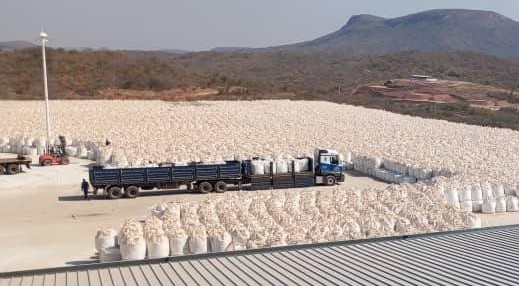
Bikita Minerals, ranked among Africa’s top five lithium producers and home to the world’s largest known lithium deposit—estimated at 11 million metric tons—has come under scrutiny following a dam spillage incident that raised environmental concerns.
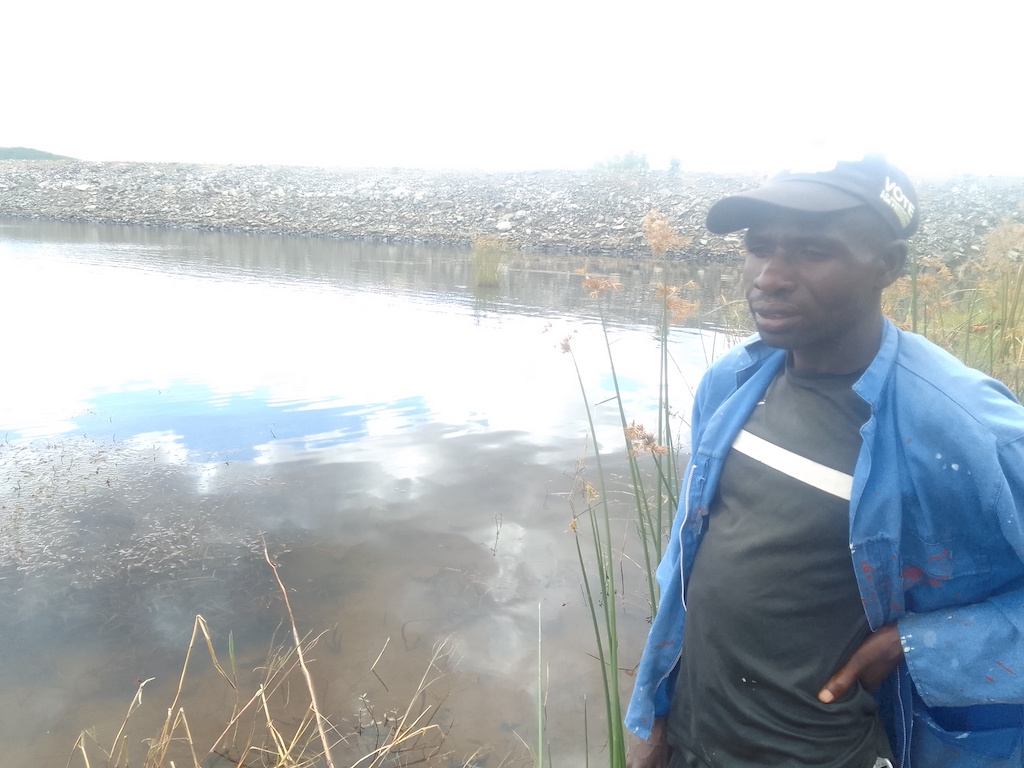
The mine, located in the Bikita district and now under the ownership of Chinese giant Sinomine Resource Group, was fined US$5,000 by the Environmental Management Agency (EMA) for the spillage, which affected the Matezva Dam, a vital water source for surrounding communities.
Sinomine, which acquired the mine for US$180 million in January 2022 from African Minerals Ltd, has since complied with orders to rehabilitate the dam and prevent further pollution.
Milton Muusha, EMA’s provincial head for Masvingo, confirmed that the mining company responded promptly to directives to clean up the dam and introduce measures to prevent a repeat of the incident.
“Communities benefitting from the dam were notified of the spillage. Bikita Minerals were ordered to put in place a pretreatment plant and they introduced an emergency holding pond to contain all emergency spills.
“They also put in place a recovery method on their effluent and are now pumping it back into the plant,” said Muusha.
However, ambiguity surrounds the exact nature of the substances released into the water.
Muusha stated that laboratory tests on water samples were inconclusive, failing to determine the specific chemicals involved.
Bikita Minerals spokesperson Collins Nikisi downplayed the severity of the incident, stating that the spillage was limited to water from a reservoir and posed no toxic threat.
“We had a spillage from the water reservoir and we quickly attended to the problem. The spillage lasted for a few hours and the mine was fined by EMA.
“There were no chemicals that spilled into the dam. The spillage was not in any way harmful, as backed up by tests carried out,” said Nikisi.
Despite requests, Nikisi did not provide copies of the test results to substantiate the company’s claim.
The incident has sparked debate about environmental safeguards in the booming lithium sector, especially as Zimbabwe positions itself as a major player in the global green energy transition.
With the lithium rush intensifying and foreign investors like Sinomine taking the lead, local communities and environmental watchdogs are calling for greater transparency and stronger environmental compliance from mining firms.