Trymore Tagwirei
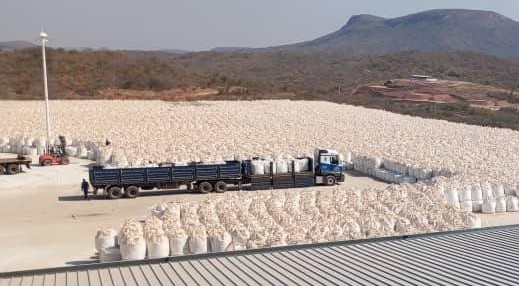
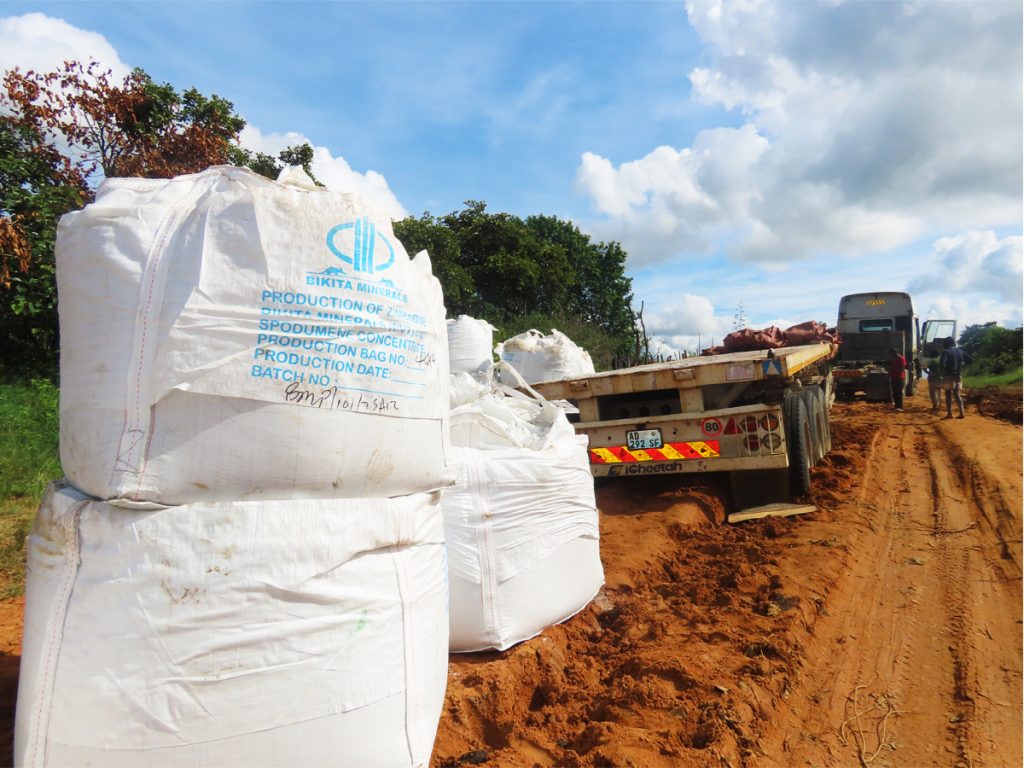
Bikita Minerals, one of Zimbabwe’s largest lithium mines, is under fire for allegedly misleading the public about its Corporate Social Responsibility (CSR) efforts in Bikita and surrounding communities impacted by its operations.
Speaking during a community feedback meeting at Makotore Business Centre last week, Ward 11 councillor Lawrence Vhovha accused the Chinese-owned mine of spreading false claims about development projects supposedly carried out under its CSR program.
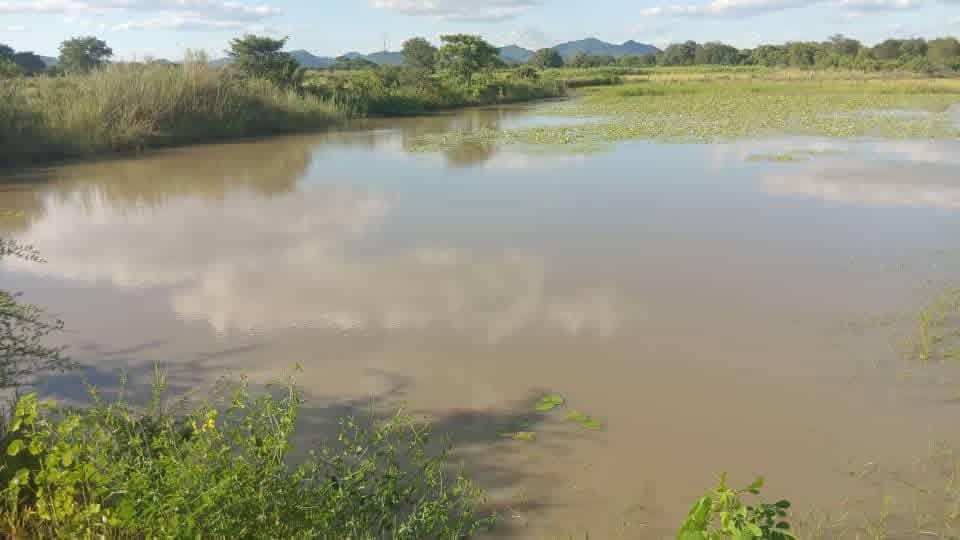
“What they told the media and what’s on the ground are totally different. They claimed to have drilled boreholes in Murape village, but there’s no such thing. Not a single borehole exists where they said they sunk them,” he said.
Bikita Minerals, which was acquired by Chinese investors in 2020, holds one of the largest lithium reserves in Africa and ranks among the top five globally. Despite its vast wealth, local leaders argue the company is failing to deliver meaningful social investment.
Vhovha said the mine’s claims about building the Shumbaimwe Clinic were misleading.
“They only helped with some materials after the clinic was already 70 percent complete. Most of the work was done by the central government and local villagers,” he said.
While the mine has publicly stated it prioritizes hiring locals, Vhovha countered that most employees are being recruited from outside the Bikita area.
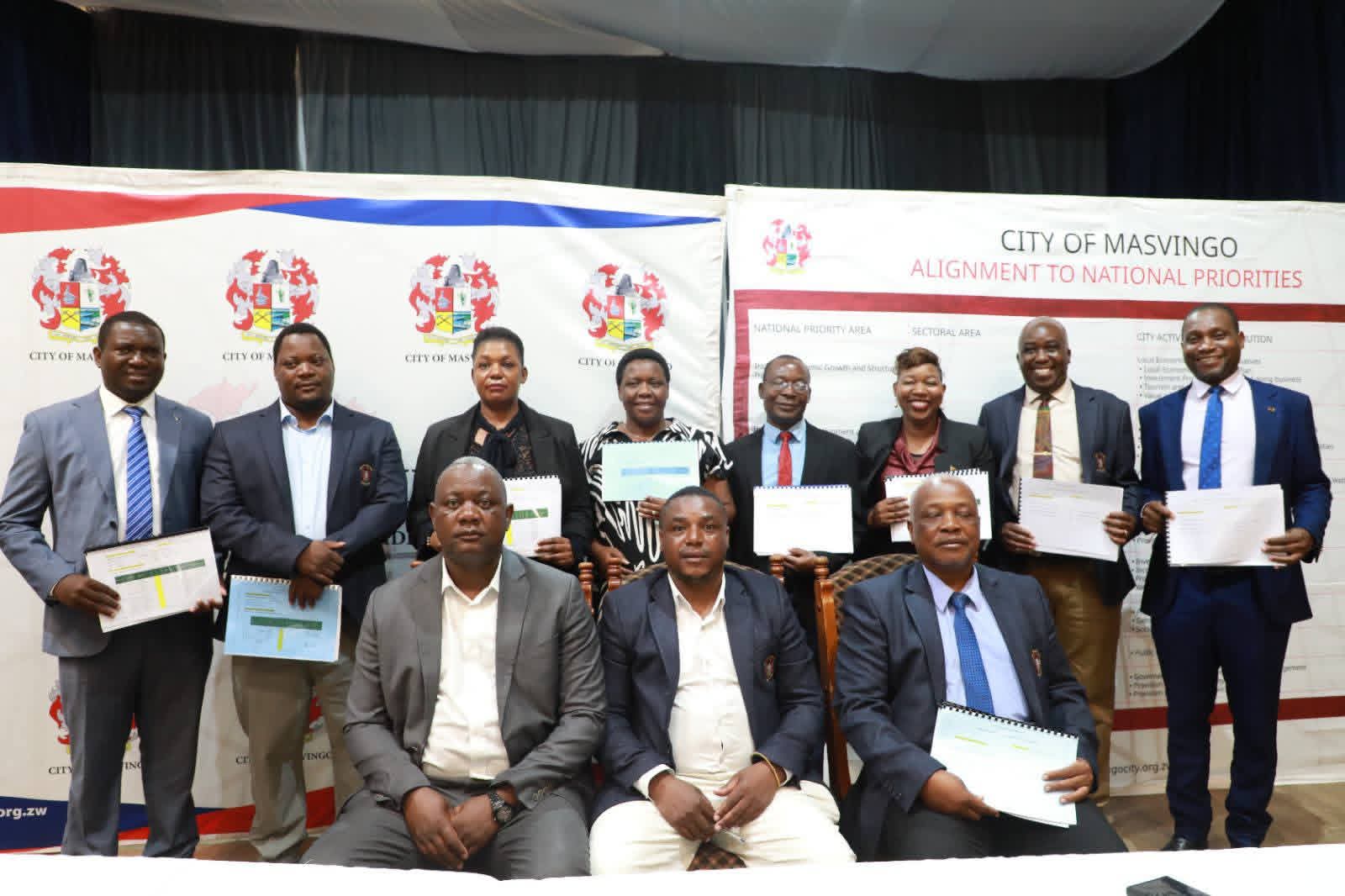
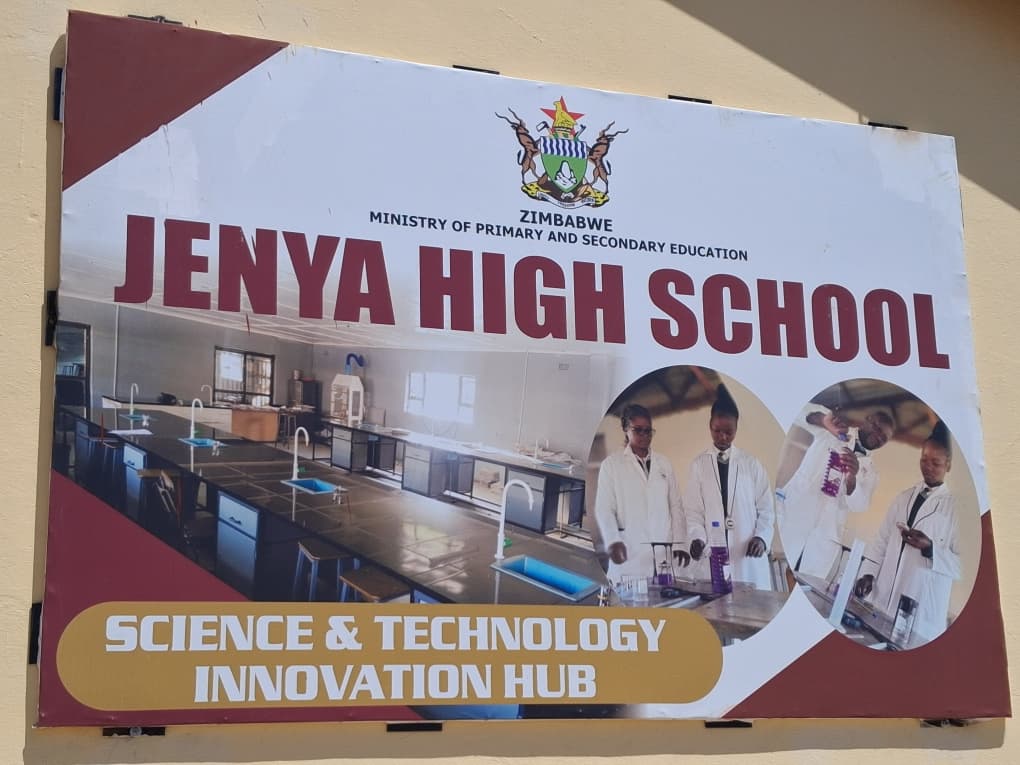
Last year, during a media and parliamentary familiarization tour led by the parliamentary portfolio committee on Mines and Mining Development, Bikita Minerals’ public relations officer Collen Nikisi presented various CSR projects, including borehole drilling and clinic construction.
EnviroPress emailed questions to Nikisi to respond to the allegations but he, like has become his tradition, had not responded by the time of publishing.
Across Zimbabwe, mining companies have long faced criticism for conducting superficial CSR initiatives. Critics argue that these projects are often used as public relations tools rather than genuine efforts to improve community welfare.
Despite reaping enormous profits, many mining firms are accused of neglecting basic needs such as access to clean water, healthcare, and education. Infrastructure in mining areas is often poorly maintained, and communities complain of being excluded from decision-making processes.
Observers say the absence of a clear national policy on CSR has allowed mining companies to operate without accountability. In some cases, CSR programs appear more geared toward gaining legitimacy than fostering sustainable development.
Similar grievances have been raised in areas like Marange, where diamond mining displaced entire communities who were resettled with minimal support. Chinese-owned mines in particular have been singled out for extracting resources without adequately investing in the communities where they operate.
Calls are growing for the Zimbabwean government to establish a robust CSR framework and ensure mining companies engage directly with local communities in planning and implementing development projects that truly meet local needs.