Trymore Tagwirei
The Environmental Management Agency (EMA) has raised concern over intensifying alluvial mining activities at the Runde-Tende river confluence, warning that the uncontrolled extraction could derail major development plans including the long-awaited Tende-Runde Dam.
Masvingo EMA public relations officer, Munyaradzi Mtisi, said while artisanal miners are turning to riverbed mining as a means of survival amid harsh economic conditions, the environmental consequences are dire.
“While we understand the economic struggles, these mining activities are degrading the river ecosystem. They increase siltation and threaten future developments like the Tende-Runde Dam,” Mtisi said.
The Runde-Tende Dam project, once completed, is expected to be a game-changer for Masvingo Province, providing irrigation water, drinking water, and potential hydro-power opportunities.
However, experts warn that rising silt levels from unregulated mining could shorten the lifespan of the dam before it is even built.
“Siltation is a silent killer of dams. It reduces water-holding capacity and undermines the billions that would be invested in such infrastructure,” said Mtisi.
The tension between livelihoods and conservation has become a recurring theme across Zimbabwe’s mineral-rich regions.
Environmentalists argue that without stricter regulation, alternative livelihood support, and education on sustainable practices, rivers will continue to suffer.
EMA has previously rolled out awareness campaigns in mining hotspots, but resource constraints have limited the agency’s capacity to enforce environmental laws.
“The challenge is enforcement. Artisanal mining is widespread and often beyond the reach of regulators. We need a whole-of-community approach, where traditional leaders, local authorities, and miners themselves take responsibility,” said Mtisi.
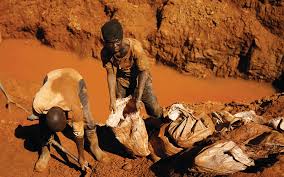
Despite the risks, alluvial mining continues to lure hundreds of artisanal miners to the confluence.
Most of them are unemployed youths and villagers who view gold panning as their only source of income. For many, the choice is between environmental sustainability and immediate survival.
“We are aware that what we are doing destroys the river, but we have families to feed. There are no jobs,” said one miner.
EnviroPress observed large numbers of people from villages including Maramba, Sivara, Matenge, Hoto, Matare, Mudaningwa, Dzingai and Njiye flocking to the site daily with picks, shovels and sieves in search of the precious metal.
Willard Chikuku, a university graduate from Maramba Village, said he turned to gold panning after failing to secure formal employment.
“I started this after failing to get employed, and now I can’t complain. I’m surviving. We know it’s illegal, but if we stop, we’ll perish in poverty,” said Chikuku.
Fuelling the rush are gold buyers who frequent the river, offering instant cash to miners. A gramme of gold currently sells for USD$80, making the trade highly lucrative despite its illegal status.