Tiyani Hahlani
As climate variability continues to undermine traditional rain-fed maize production, a farmer in Mutasa’s Ward 12 has adopted agroforestry as an alternative approach to strengthening household income and land resilience.
Tawanda Bukuta has converted his five-hectare homestead into a diversified agroforestry system under the Zimbabwe Forest Restoration Project. The initiative is implemented by the Southern Alliance for Indigenous Resources (SAFIRE) with support from Terrafund, One Tree Planted and the World Resources Institute.
Through the project, Bukuta integrated indigenous tree species with fruit orchards, reducing dependence on seasonal maize production. Prior to the intervention, his income from rain-fed maize and casual labour was limited and highly vulnerable to drought.
“Before joining the project, I relied on rain-fed maize farming and occasional piecework,” said Bukuta.
According to Bukuta, his current farming activities now generate approximately US$1 500 annually, compared to less than US$100 per season previously earned from maize production.
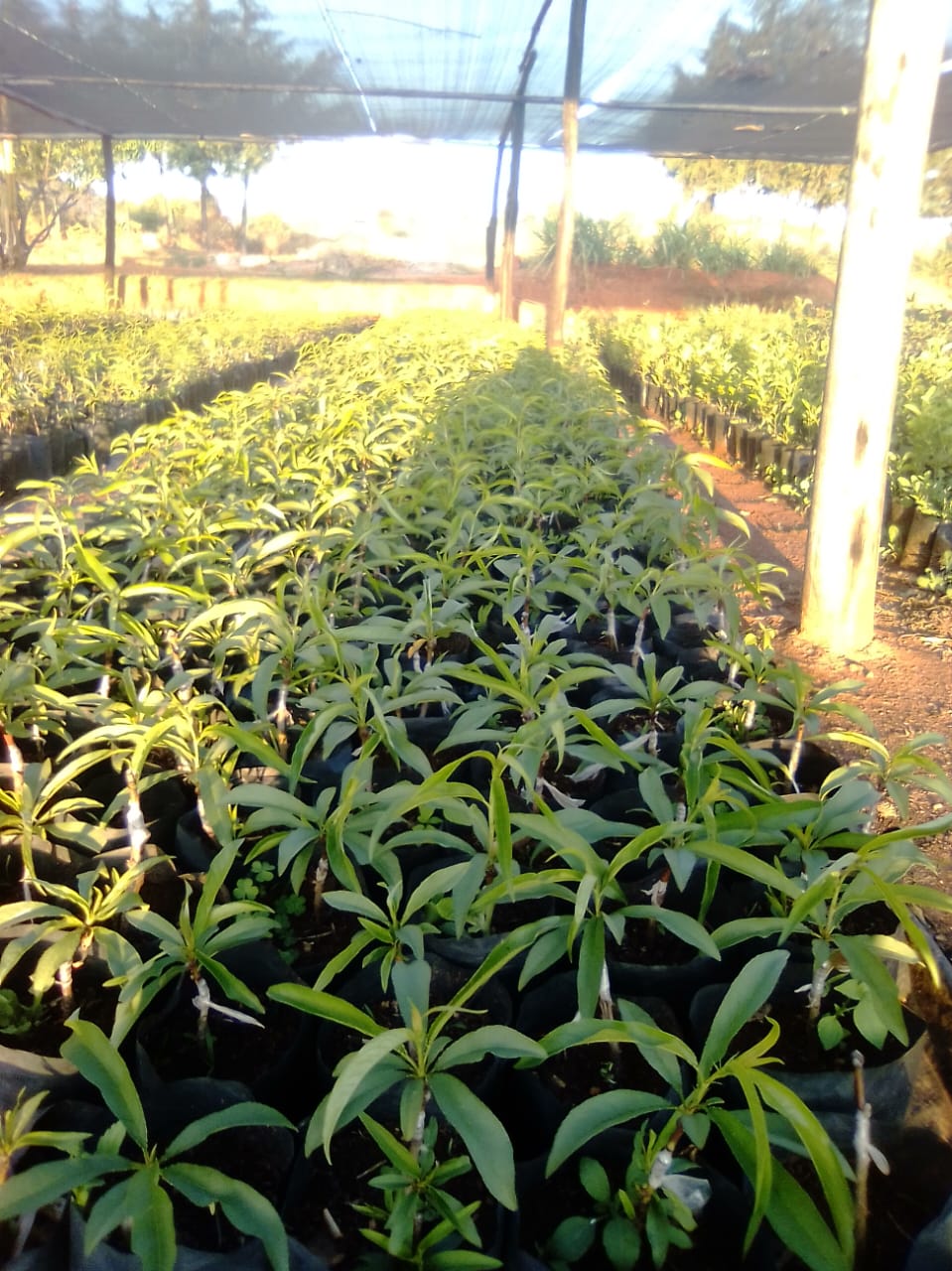
Agroforestry forms the core of his production system. His homestead currently supports about 2,000 mature peach trees alongside indigenous species such as Acacia and Mukute. These trees contribute to soil moisture retention, provide shade and help reduce land degradation associated with continuous grain farming.
Bukuta said the training provided through the project helped change perceptions around tree conservation and farming practices.
“I realised that farming does not require clearing forests. Trees and crops can coexist while improving productivity and income,” he said.
To further diversify his livelihood, Bukuta has expanded into apiculture and aquaculture. He currently manages five apiaries and plans to increase the number of beehives to support pollination of fruit trees and improve ecosystem health.
He is also engaged in fish farming as part of efforts to spread risk and stabilise income.
Bukuta’s agroforestry activities have contributed to broader community participation, leading to the formation of the Bonda Fruit Tree Orchards and Nursery Group.
The group collectively manages between 4 000 and 15 000 peach trees and supplies seedlings to markets in Rusape, Beatrice, Murehwa and Nyanga at an average price of US$2 per seedling.