Tiyani Hahlani
Farmers in Zaka District have been urged to adopt climate-smart farming methods and diversify their production to withstand erratic rainfall expected this farming season.
The Meteorological Services Department (MSD) has predicted a delayed and erratic start to the 2025/26 rainy season, with dry spells likely in October and November — a pattern similar to last year.
District Agritex Officer Kennedy Pedzisai said extension officers are intensifying training and support for farmers under the Pfumvudza/Intwasa programme, alongside timely input procurement, livestock management, and horticulture expansion.
“With the effects of climate change increasingly being felt, farmers must prepare early and adopt sustainable methods that conserve soil and moisture while boosting yields,” Pedzisai said.
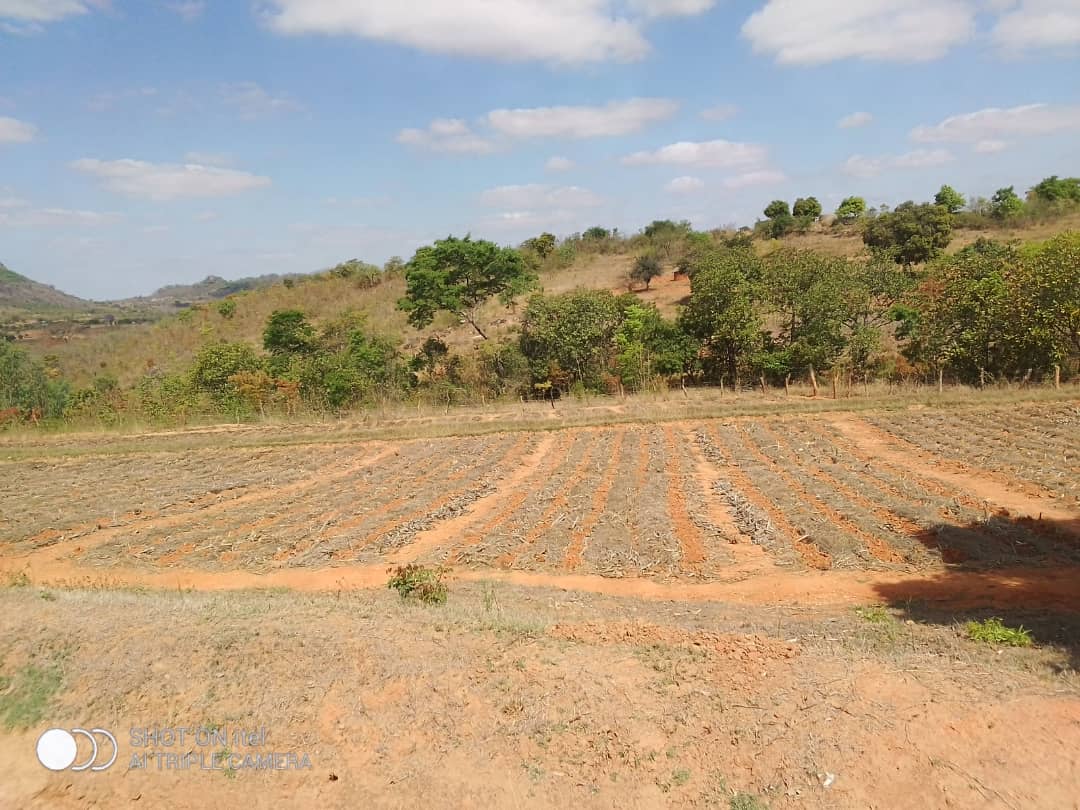
He urged farmers to start digging planting basins, apply manure, lime or ashes to correct soil acidity, mulch their plots, and fence fields to protect mulch from livestock. He also advised early purchase of hybrid and traditional seeds, pulses, and fertilizers to avoid late planting.
Pedzisai further encouraged livestock farmers to use supplementary feeding, including low-cost options such as urea-treated stover. A feedlot in Ward 28 is already pen-fattening cattle from all 34 wards, improving beef supplies and farmer incomes.
“For poultry, we recommend staggered batches of broilers and road runners to ensure a steady supply during the festive season,” he said.
Farmers with irrigation facilities were urged to step up horticulture production, focusing on high-demand crops like leafy vegetables, cabbages, carrots, butternuts, cucumbers, peppers, and tomatoes.
Masvingo Sales Agronomist Onai Makoni also advised farmers to plant short-season and traditional crop varieties to cope with the expected low rainfall.
“We recommend varieties such as ZAP 43 and ZAP 31, which mature within 60 to 90 days. Small grains like sorghum and cowpeas are also more resilient to drought conditions,” said Makoni.