Trymore Tagwirei
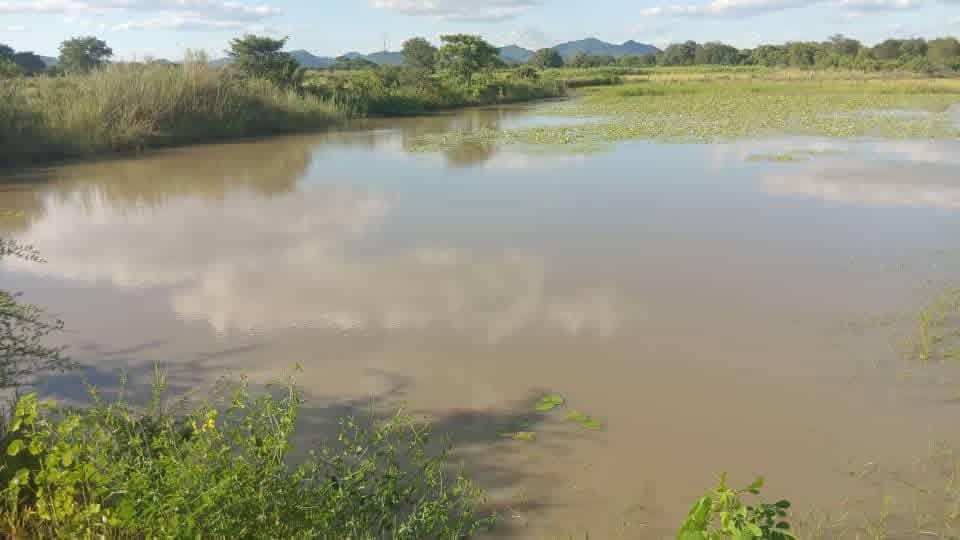
On the outskirts of Harare, the waters of Lake Chivero tell a troubling story. Once a glistening jewel surrounded by thriving wildlife and weekend picnickers, the lake has become choked with weeds, sewage, and industrial waste.
The smell of pollution now hangs heavy where fish once leapt freely — a stark reminder of how far Zimbabwe’s main water source has fallen.
But one man believes it is not too late.
Gary Stafford, a businessman and environmental activist, has launched a renewed effort to bring Lake Chivero back to life through a bold new initiative — the “Lake Chivero Revival Campaign 2025.”
“We can’t sit back and watch one of our most important natural resources die. Our plan is to raise funds and find lasting solutions to trap sewage before it enters the lake.
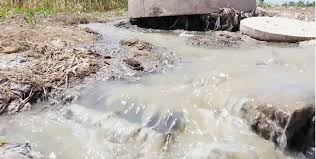
“We are exploring practical options like building small weirs to stop waste from flowing directly into the water,” said Stafford.
For decades, Lake Chivero has borne the brunt of Harare’s rapid urban growth and inadequate wastewater management.
Untreated sewage, industrial effluent, and illegal dumping have turned its once-clear waters into a toxic soup.
Environmental experts warn that the contamination now threatens not only aquatic life but also the health of millions who depend on the lake for water.
Despite repeated warnings from conservationists, government action has been slow. Reports by EnviroPress Zimbabwe have documented how the Environmental Management Agency (EMA) continues to sound the alarm about pollution levels, yet enforcement remains weak.
Stafford, however, is not waiting for policy to catch up. His campaign builds on earlier community-driven efforts that blended environmental education, clean-up activities, and even sports events to draw attention to the lake’s plight.
“People protect what they feel connected to. By bringing citizens back to Lake Chivero — through recreation, clean-ups, and awareness — we can rekindle that connection and responsibility,” said Stafford.
The Lake Chivero Revival Campaign brings together environmentalists, residents, and corporate partners under a shared goal: restoring the lake’s ecological balance.
Plans include regular clean-up drives, fundraising to upgrade treatment facilities, rehabilitating wetlands that filter runoff, and advocating for tougher laws to stop illegal dumping.
The campaign is promoting community-based activities such as tree planting, fish farming, and citizen science programs to help residents earn income while protecting their environment.
Stafford believes the revival of Lake Chivero can only succeed if everyone gets involved. The campaign calls on citizens to volunteer, raise awareness on social media, and pressure policymakers to take environmental governance seriously.
“The revival of Lake Chivero is not just an environmental issue. It’s about our health, our economy, and our shared future as Zimbabweans,” said Stafford.