
Tiyani Hahlani
Zimbabwe is rolling out one of its most ambitious environmental and economic initiatives yet, setting a national target to distribute more than 18 million fruit and agro-forestry trees to rural households by 2030.
The programme aims to ensure that every rural family receives at least ten trees, placing climate resilience, environmental restoration and sustainable rural development at the core of the country’s Vision 2030 agenda.
The commitment was reaffirmed during a high-level strategic planning workshop held in Bulawayo from November 17 to 21, where stakeholders underscored the urgent need to accelerate key Rural Development 8.0 programmes intended to transform rural economies.
Rural Development Director Leonard Munamati, sharing insights from the meeting, said the 18-million-tree ambition is part of a broader national strategy to shift rural communities from subsistence farming to a more entrepreneurial agricultural model.
“The main focus of the meeting was on Rural Development 8.0 projects as we strategized on how to ensure every household receives 10 agro-forestry trees by 2030, amounting to over 18 million trees nationwide, as a means to improve livelihoods and uplift rural communities.
“As government, this programme is a long-term project. We call for collective action, urging families, private players and development partners to actively participate in the greening of Zimbabwe,” said Munamati.
He encouraged citizens to embrace the initiative not simply as a responsibility, but as an investment in their own future.
“The workshop was successful, and now it’s time to implement. We challenge citizens to embrace tree-planting as a collective investment in climate resilience, enhanced food security and deeper rural development,” he said.
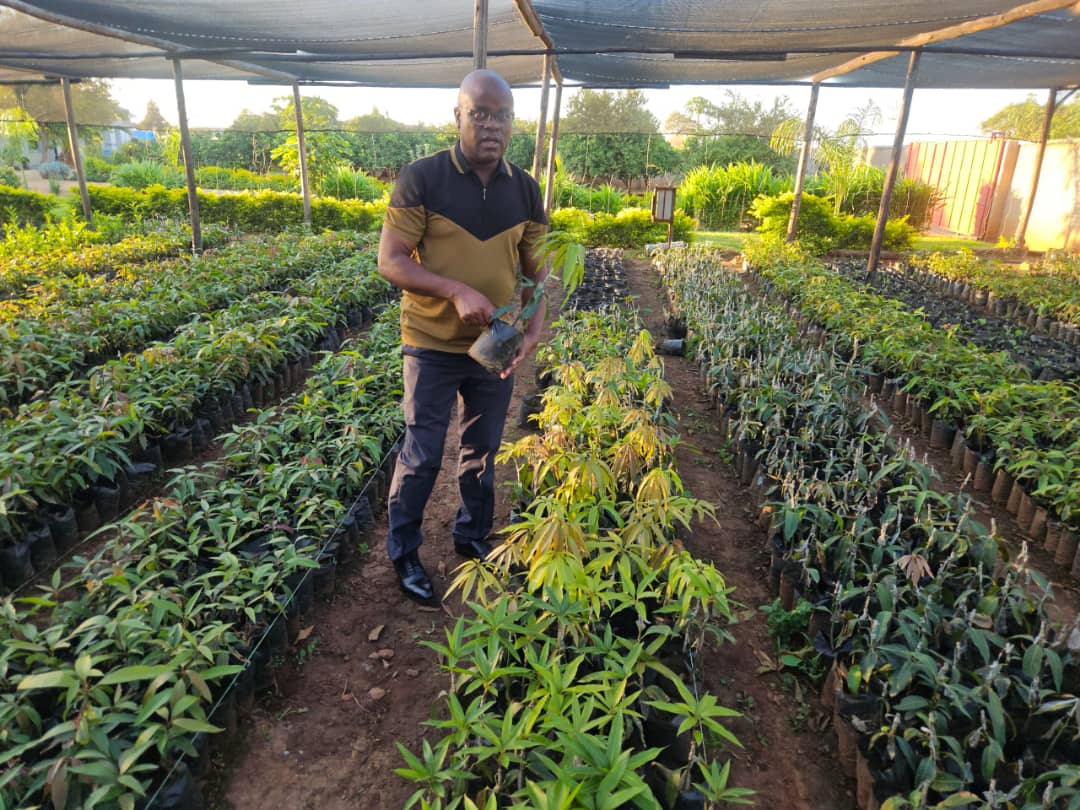
Beyond government efforts, complementary initiatives are already taking shape. In Mutasa District, the Southern Alliance for Indigenous Resources (SAFIRE), with support from Terrafund, One Tree Planted and the World Resources Institute, has equipped communities in Wards 5, 11, 12 and 19 with shade nets, nurseries and training to boost agro-forestry capacity.
According to the Agriculture Food System and Rural Transformation Strategy 2 (AFSRTS) blueprint, 62 percent of Zimbabwe’s population resides in rural areas, most of whom rely on subsistence farming—making the nationwide tree-planting initiative a cornerstone of long-term rural transformation.